
Hello, I’m Dr. Mitesh Chandarana
I’m a movement disorder specialist and neurologist in Ahmedabad. Some patients come to me with symptoms that look like Parkinson’s disease, but they don’t improve with medicine, or they have other early issues like imbalance, blood pressure drops, or urinary problems. In these cases, I check for Multiple System Atrophy (MSA).
MSA is a rare but serious condition. While we cannot cure it, I help you manage the symptoms, stay active longer, and improve comfort and quality of life.
What Is MSA?
Multiple System Atrophy (MSA) is a progressive brain disease. It affects:
-
- Body movement
-
- Balance and coordination
-
- Autonomic functions – like blood pressure, bladder, and sweating
It happens due to a build-up of a protein called alpha-synuclein in brain cells, which damages areas that control movement and automatic body functions.
It usually starts between the ages of 50 to 60 and affects both men and women.
Types of MSA I Treat
MSA-P (Parkinson-type)
-
- Stiffness
-
- Slowness
-
- Tremors
-
- Looks like Parkinson’s but has poor response to Levodopa
MSA-C (Cerebellar-type)
-
- Balance issues
-
- Unsteady walking
-
- Hand coordination problems
-
- Slurred speech
MSA-A (Autonomic-type / Shy-Drager Syndrome)
-
- Low blood pressure
-
- Bladder control issues
-
- Erectile dysfunction
-
- Cold hands, feet, or too much sweating
Some patients may show symptoms of more than one type.
Common Symptoms I See
-
- Frequent falls or imbalance
-
- Feeling dizzy or faint while standing (orthostatic hypotension)
-
- Poor control of bladder (urgency, frequency, or leakage)
-
- Constipation or erectile dysfunction
-
- Tremors or slowness that don’t improve with Parkinson’s drugs
-
- Low, slurred, or broken speech
-
- Cold extremities or too much sweating
-
- Sleep issues, depression, or anxiety
How I Diagnose MSA
There is no single test for MSA. I use:
-
- Detailed examination of symptoms and signs
-
- Response (or lack of response) to Parkinson’s medication
-
- MRI brain – may show changes in brainstem or cerebellum
-
- Autonomic function tests – check blood pressure, heart rate, sweating
-
- Urology tests – like uroflowmetry for bladder problems
I also rule out Parkinson’s disease, PSP, and other conditions with overlapping symptoms.
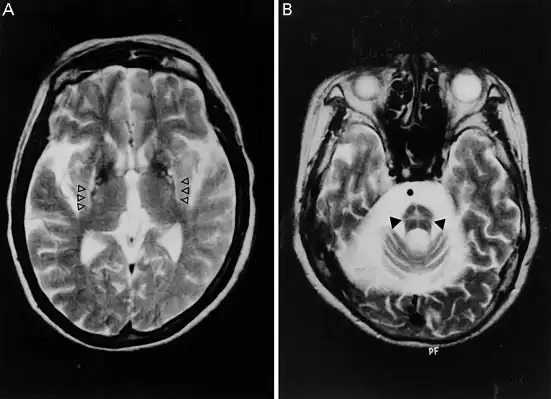 MRI images highlighting characteristic brain changes seen in Multiple System Atrophy, including pontine and basal ganglia involvement.
How I Manage MSA
MSA has no cure, but I help manage the symptoms through a personalized care plan.
1. Movement Symptoms
-
- Parkinson’s medicines like levodopa may help early on
-
- Benefits often reduce with time
-
- I adjust the dose and combine with other supportive drugs
2. Blood Pressure Management
For orthostatic hypotension (feeling faint when standing), I suggest:
-
- Drinking plenty of fluids
-
- Adding extra salt (if allowed)
-
- Avoiding hot environments
-
- Using compression stockings or abdominal binders
-
- Medicines like fludrocortisone or midodrine
I review your blood pressure regularly and adjust treatment as needed.
3. Bladder and Bowel Care
-
- Bladder training and timed voiding
-
- Medicines to reduce urgency or frequency
-
- Intermittent catheterization in selected cases
-
- Treating constipation with diet and laxatives if needed
4. Speech and Swallowing Therapy
-
- Speech therapy to improve clarity and volume
-
- Swallowing evaluation to prevent choking
-
- Changing food consistency when needed
5. Emotional and Sleep Support
-
- Medicines for depression, anxiety, or sleep issues
-
- Guidance for both patient and caregiver to handle stress
6. Physical Therapy
-
- Balance training
-
- Walking aids
-
- Fall prevention
-
- Exercises to maintain strength and flexibility
My Approach to MSA
-
- I explain everything in simple terms
-
- I plan each step with the patient and family
-
- I offer honest guidance and emotional support
-
- I help manage day-to-day issues with a whole-team approach
We may not be able to stop MSA, but we can live better with it.
Frequently Asked Questions (FAQs)
Q1. Is MSA the same as Parkinson’s?
No. It can look similar, but MSA has more symptoms and responds poorly to Parkinson’s medicines. Know More
Q2. Is MSA inherited?
No. Unlike Huntington’s, MSA is not passed down genetically. Know More
Q3. How fast does it progress?
MSA usually progresses faster than Parkinson’s. But with good care, patients can remain independent for several years. Know More
Q4. Can MSA be confused with other diseases?
Yes. PSP, Parkinson’s, and even stroke may look similar early on. That’s why you should see a movement disorder specialist like me. Know More
Q5. Can anything slow the disease?
Currently, no treatment stops progression. But early diagnosis, fall prevention, and symptom care can make a big difference. Know More
Let’s Manage MSA Together with Trust & Planning
If you or your loved one has balance problems, bladder issues, or tremors that don’t improve, don’t ignore it. Early care helps you prepare better and stay more active.
Book Your Appointment Today
 Call: 8866843843
 Medisquare Superspeciality Hospital, Ahmedabad