
Visiting a neurologist for the first time can feel confusing and even a little stressful. Many patients wonder, “Will I forget something important?” or “What if I don’t know how to explain my problem properly?”
The truth is, a well-prepared neurology visit can save time, avoid repeat tests, and help the doctor understand your condition much better from day one. Whether you are visiting for headaches, tremors, dizziness, memory issues, seizures, or movement problems, being prepared makes a real difference.
This guide explains exactly what to bring when consulting a neurologist, why each item matters, and how it helps in reaching the right diagnosis faster.
Why Preparation Matters When Consulting a Neurologist
Neurological conditions often depend on:
- History over time, not just one symptom
- Subtle changes in movement, speech, memory, or sensation
- Response to past treatments and medicines
When you come prepared:
- The doctor spends less time guessing
- You get clear answers sooner
- Unnecessary tests can often be avoided
Think of it as giving your neurologist a complete picture, not just a snapshot.
Essential Documents to Carry for a Neurology Visit
1. Previous Medical Reports (Very Important)
Always carry all old medical records, even if they seem unrelated.
These may include:
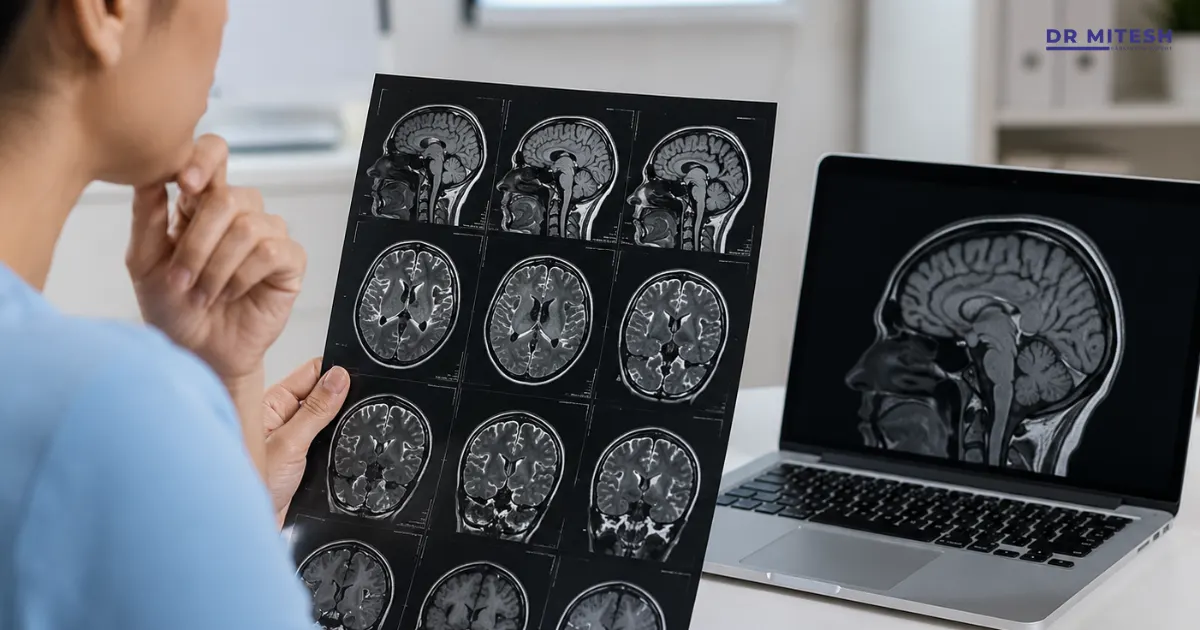
- MRI or CT scan reports (brain, spine)
- EEG, EMG, nerve conduction study reports
- Blood test results
- Hospital discharge summaries
- Old neurologist or physician notes
Why this matters
- Neurological diseases often evolve slowly
- Comparing old and new reports helps track progression
- Prevents repeating expensive investigations
👉 Tip: Carry both reports and images if imaging was done.
2. List of Current and Past Medicines
Many neurological symptoms are directly affected by medicines.
Bring:
- Names of all medicines (neurology + non-neurology)
- Dosage and timing
- Duration of use
- Medicines stopped recently and why
Include:
- Blood pressure medicines
- Diabetes medicines
- Psychiatric medicines
- Ayurvedic or alternative treatments
Why this matters
- Some medicines can cause tremors, stiffness, sleep problems, or memory issues
- Helps identify drug-induced neurological problems
- Prevents dangerous drug interactions
Personal Symptom Notes: Small Details, Big Clues
3. Write Down Your Symptoms Before the Visit
Many patients forget key details once inside the clinic.
Before consulting a neurologist, note:
- When symptoms started
- Whether they are sudden or gradual
- Whether symptoms are constant or come and go
- What makes them worse or better
Examples:
- Tremor only at rest or while using hands
- Dizziness on standing up
- Headache with vomiting or light sensitivity
- Memory problems affecting daily life
This is especially useful during The First Appointment.
4. Timeline of Symptom Progression
A simple timeline helps the neurologist immensely.
Example:
- 2022: Occasional hand tremor
- 2023: Tremor increased, stiffness started
- 2024: Difficulty walking and writing
Why this matters
- Many neurological disorders follow specific patterns
- Helps differentiate Parkinson’s, stroke-related issues, nerve problems, or functional disorders
Bring a Family Member or Caregiver (If Possible)
5. A Person Who Knows Your Condition Well
For conditions involving:
- Memory loss
- Seizures
- Fainting
- Sleep behaviors
- Movement disorders
A family member can:
- Describe symptoms you may not notice
- Clarify behavioral or personality changes
- Help remember medical advice
This is especially important when consulting a neurologist for elderly patients.
Lifestyle and Daily Impact Information
6. Daily Routine and Functional Difficulties
Be ready to discuss:
- Difficulty in walking, writing, dressing, eating
- Sleep problems
- Falls or near-falls
- Work or driving issues
This helps the neurologist understand how severe the condition really is, not just what it is called.
What to Bring for Consulting Neurologist (Quick Checklist)
| Item | Why It Is Important |
|---|---|
| Old reports & scans | Track disease progression |
| Medicine list | Identify drug-related symptoms |
| Symptom notes | Accurate diagnosis |
| Timeline of illness | Pattern recognition |
| Family member | Additional observations |
| ID & insurance (if applicable) | Hospital documentation |
| Questions list | Clear doubts |
Questions You Should Prepare to Ask
Preparing questions avoids confusion later.
Some useful questions:
- What could be causing my symptoms?
- Are more tests required?
- Is this condition treatable or reversible?
- How long will treatment take?
- Are lifestyle changes needed?
Writing these down helps you leave the clinic more confident and informed.
What You Usually Don’t Need to Worry About
Many patients stress unnecessarily. You don’t need:
- A confirmed diagnosis beforehand
- Perfect medical knowledge
- All answers ready
The neurologist’s role is to connect the dots, not judge your preparation.
Special Tips for First-Time Neurology Consultation
- Arrive a little early to avoid stress
- Wear comfortable clothing for examination
- Don’t hide symptoms out of embarrassment
- Be honest about medicine adherence
- Mention emotional or mental health concerns too
Neurology is closely linked with sleep, mood, and stress, so everything matters.
Common Mistakes Patients Make
Avoid these:
- Carrying only the latest report
- Forgetting old medicine history
- Downplaying symptoms
- Coming alone despite memory or seizure issues
- Expecting instant diagnosis without evaluation
Conclusion: A Prepared Visit Leads to Better Care
Consulting a neurologist becomes much more effective when you arrive prepared with the right information. Carrying previous reports, medicine details, symptom notes, and having a family member along can significantly improve diagnostic accuracy and treatment planning.
A well-prepared consultation not only saves time but also builds trust and clarity. When you are unsure about neurological symptoms, approaching Neurologist and Movement Disorder Specialist in Ahmedabad with proper preparation ensures you get the most out of your visit right from the very first consultation.
Frequently Asked Questions (FAQs)
1. Do I need to bring all old reports when consulting a neurologist?
Yes. Even reports from years ago can provide important clues about disease progression or response to treatment.
2. What if I don’t remember my medicines’ names?
Bring medicine strips, photos, or prescriptions. This is very common and completely okay.
3. Is it necessary to bring a family member?
Not mandatory, but highly recommended for memory issues, seizures, or movement disorders.
4. Should I fast or prepare physically before the visit?
Usually no, unless told specifically for tests. Eat normally and stay hydrated.
5. Can I consult a neurologist without previous reports?
Yes. But carrying previous documents helps reach conclusions faster and avoids repeat testing.
Authoritative References
Neurology Solutions – The First Neurology Appointment