
Parkinson’s and Loss of Smell: An Overlooked Early Sign
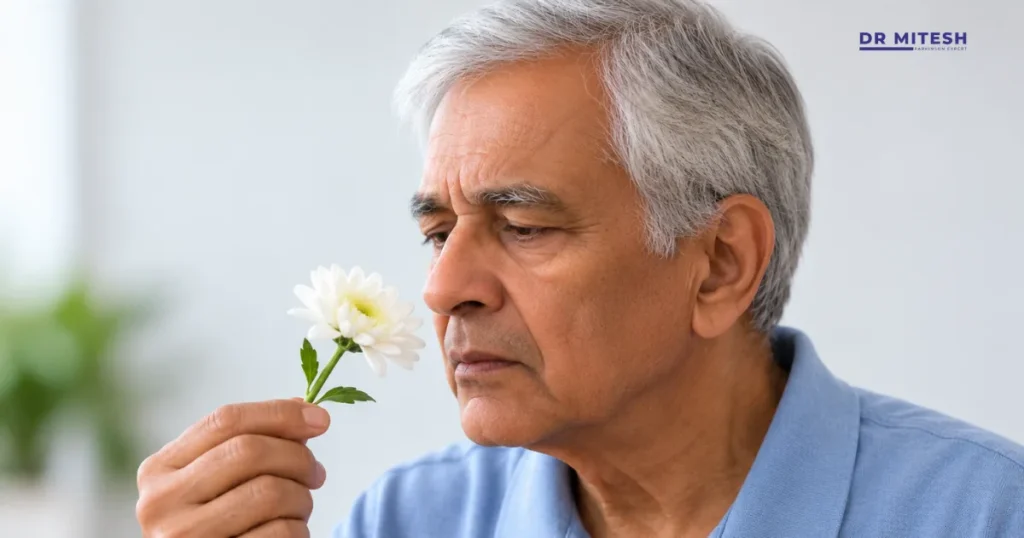
Research suggests smell loss can precede the classic motor symptoms of Parkinson’s by years, sometimes over a decade, making it one of the earliest known clues to the disease.
Micrographia: Why Handwriting Shrinks in Parkinson’s

Micrographia literally means “small writing,” but the clinical picture is more specific than simply writing smaller than before. Researchers distinguish between two patterns:
Freezing of Gait: Why It Happens and Cueing Techniques That Help

Patients often describe it as feeling like their feet are “glued to the floor,” even though they can move their upper body freely. It typically lasts just a few seconds but can occasionally persist longer, and it commonly happens in specific situations rather than randomly throughout the day.
Functional Tremor vs Parkinson’s Tremor: How to Tell Apart
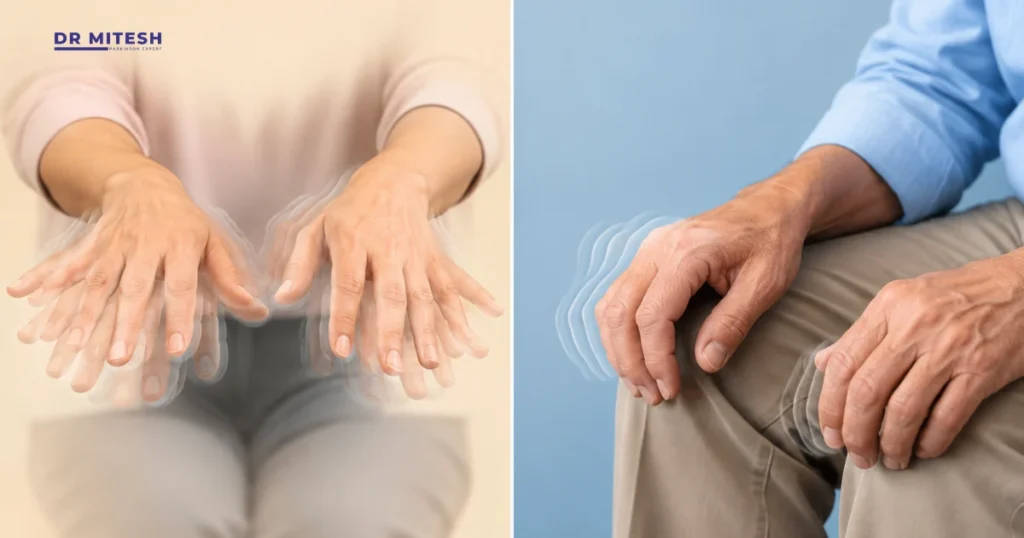
Research suggests a meaningful proportion of functional tremor cases are initially misdiagnosed as Parkinson’s or another neurodegenerative tremor, leading to delayed appropriate treatment.
Iron Deficiency and Restless Legs: The Connection
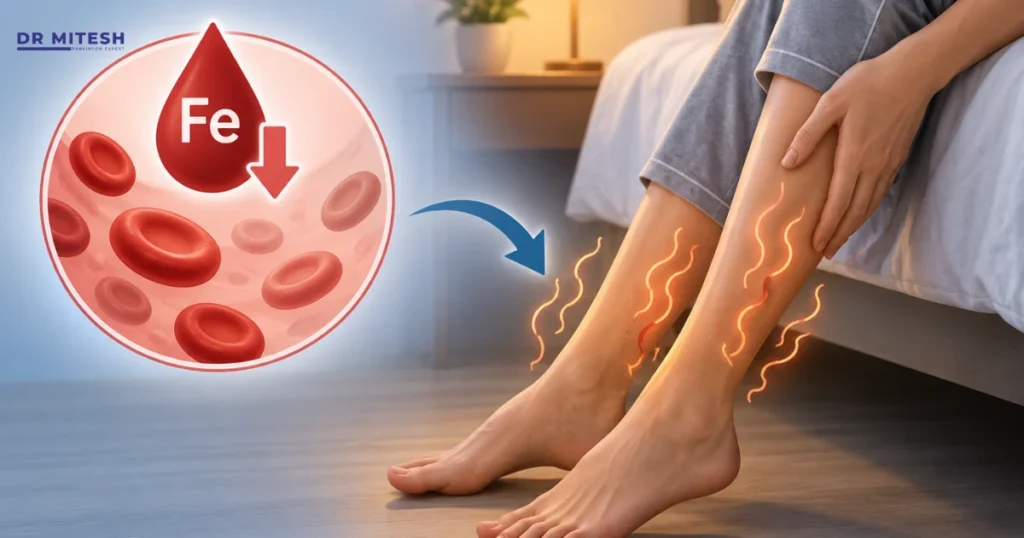
When brain iron levels are low – even when blood iron levels appear technically normal – dopamine production and signaling can be disrupted in ways that are now understood to directly contribute to RLS symptoms.
CBD and Cognitive Decline: Memory, Language, and Behaviour
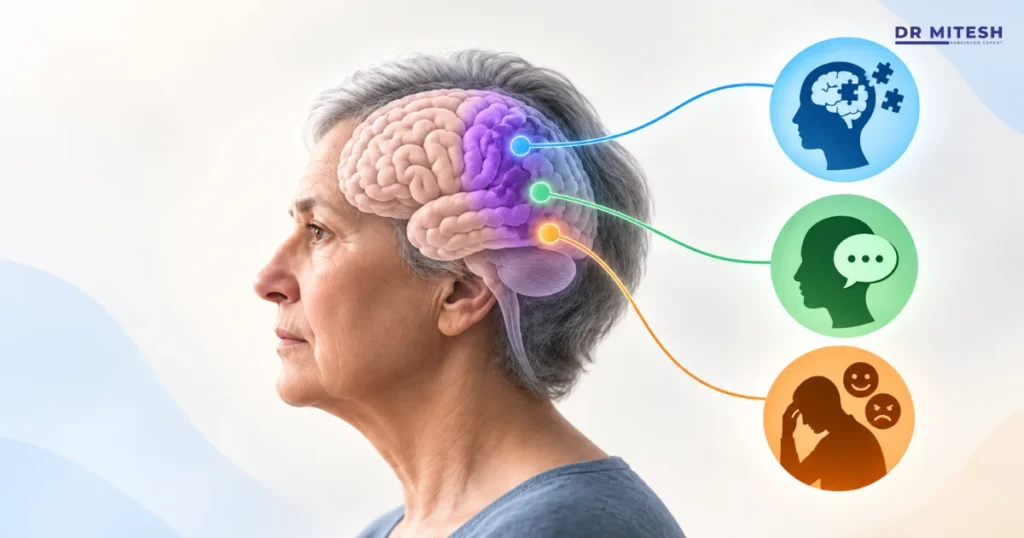
Medically reviewed by Dr. Mitesh Chandarana | Last updated: September 2026 Corticobasal Degeneration (CBD) is often introduced to patients and families primarily as a movement disorder asymmetric stiffness, jerky movements, an arm that won’t cooperate. What’s less often explained clearly is that CBD very commonly affects cognition, language, and behaviour as well, sometimes as prominently […]
Non-Motor Symptoms of Parkinson’s: The Hidden Side

This guide gives an overview of the major non-motor symptom categories in Parkinson’s, with links to detailed guides on each where we’ve covered them in depth.
How to Prepare for Your First Botox Injection Appointment?

Some simple preparation beforehand can make the appointment smoother, more comfortable, and more effective.
CBD Diagnosis: What Tests Does a Doctor Order?

CBD’s symptoms substantially overlap with several other conditions, particularly Progressive Supranuclear Palsy, Parkinson’s disease, and Dementia with Lewy Bodies. Because of this overlap, diagnosis relies heavily on recognizing a specific combination and pattern of features over time, rather than any single defining test result.
PSP માં આંખોની હલનચલનની સમસ્યાઓ: નીચે જોવામાં મુશ્કેલી કેમ પડે છે?
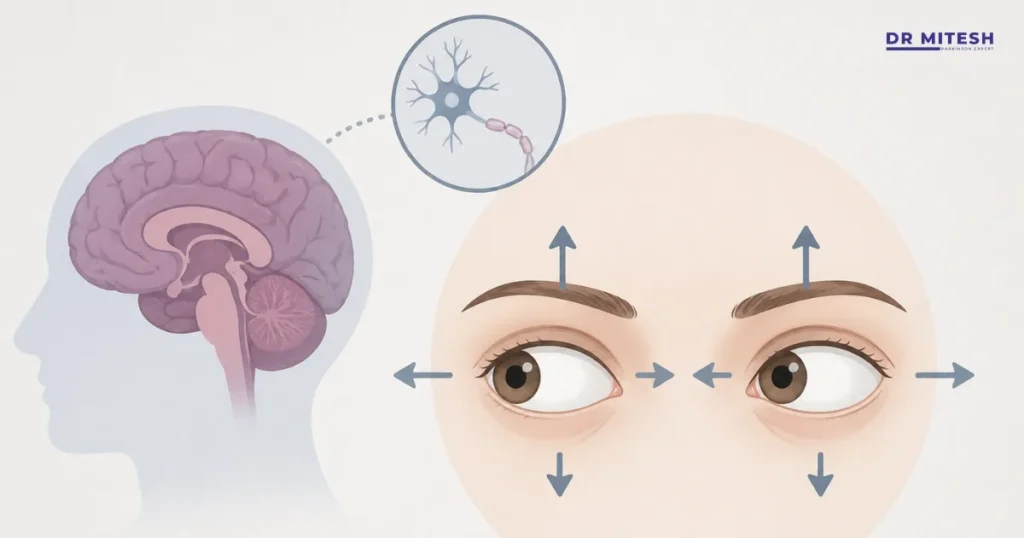
આ લક્ષણ PSP માં એટલું વિશિષ્ટ છે કે તે ઔપચારિક નિદાનના માપદંડોમાં પણ સામેલ છે. તેને સમજવાથી PSP સાથે સંકળાયેલા અન્ય ઘણા લક્ષણોને સમજવામાં મદદ મળે છે, જેમાં PSP માં દર્દીઓને જે રીતે પડી જવાની સમસ્યા થાય છે તેનું કારણ પણ સામેલ છે.