Deep Brain Stimulation (DBS) surgery has become a life-changing treatment option for many patients with Parkinson’s disease. For those struggling with tremors, stiffness, or medication fluctuations, DBS can offer significant relief.
But one of the most common questions patients and families ask is:
“What happens after DBS surgery?”
Understanding life after DBS is just as important as the procedure itself. This article will guide you through what to expect from recovery and symptom improvement to long-term lifestyle changes.
What is DBS Surgery
Deep Brain Stimulation (DBS) is a surgical procedure where electrodes are placed in specific areas of the brain to control abnormal signals. These electrodes are connected to a device (similar to a pacemaker) that helps regulate movement.
DBS is typically recommended for patients:
- With advanced Parkinson’s disease
- Experiencing medication side effects
- Having fluctuating symptoms
Immediate Recovery After DBS Surgery
Recovery after DBS is gradual and happens in stages.
First Few Days
- Mild discomfort at the surgical site
- Temporary swelling or headache
- Hospital stay of a few days
First Few Weeks
- Gradual healing of incisions
- Return to routine activities
- Device is usually switched on after 2-4 weeks
It’s important to note: results are not immediate after surgery – improvement begins after programming.
DBS Programming: The Most Important Step
After surgery, the DBS device needs to be carefully programmed.
- Done by a movement disorder specialist
- Multiple sessions may be required
- Settings are adjusted based on symptoms
This step is crucial and directly affects outcomes.
What Improvements Can Patients Expect?
DBS does not cure Parkinson’s disease, but it can significantly improve symptoms.
Common Benefits
- Reduction in tremors
- Improved stiffness and rigidity
- Better control of movements
- Reduction in “off” periods
- Improved quality of life
Expected Changes After DBS
| Area | What Patients May Notice |
|---|---|
| Tremors | Significant reduction or control |
| Movement | Smoother and more coordinated |
| Medication | Reduced dosage in many cases |
| Daily Activities | Easier to perform routine tasks |
| Quality of Life | Improved independence |
Will Medications Stop After DBS?
This is a common misconception.
Most patients still need medications, but:
- Dosage may be reduced
- Side effects may decrease
- Response becomes more stable
Emotional and Psychological Changes
Some patients experience emotional changes after DBS.
Possible changes include:
- Improved confidence and independence
- Mood fluctuations in some cases
- Adjustment period for both patient and family
Regular follow-up helps manage these changes effectively.
Lifestyle After DBS Surgery
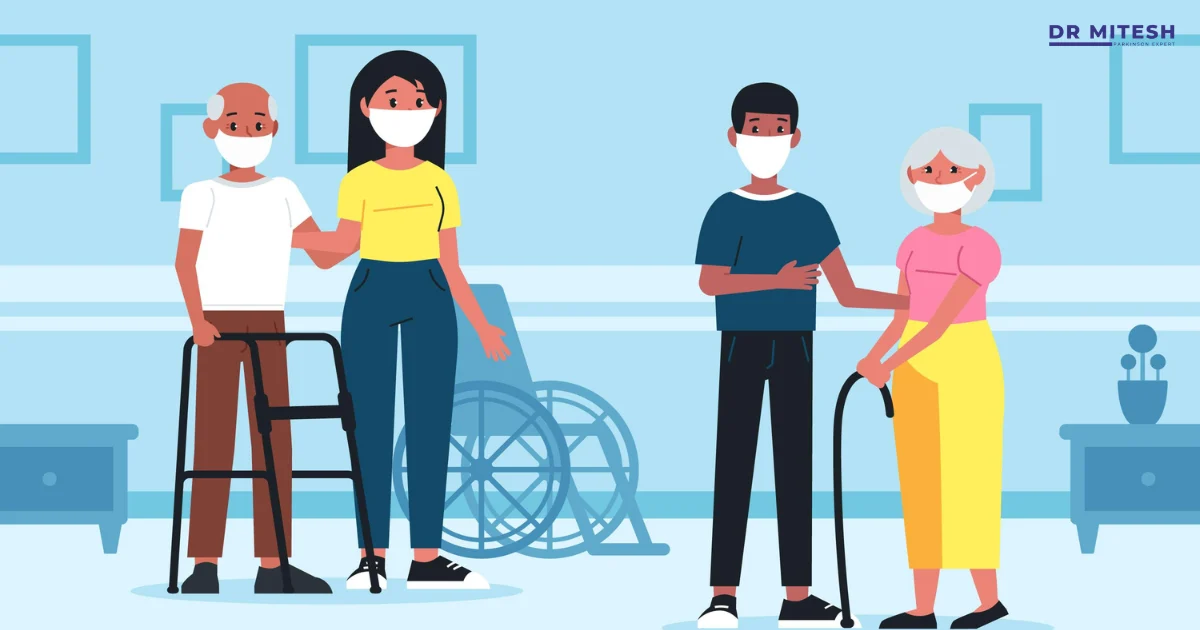
Patients can gradually return to normal life.
Activities Patients Can Resume:
- Walking and daily activities
- Light exercise
- Social interactions
Things to Keep in Mind:
- Avoid sudden or intense physical strain initially
- Follow medical advice for activity levels
- Attend regular follow-ups
Long-Term Care After DBS
DBS requires ongoing care and monitoring.
Important Aspects:
- Regular programming adjustments
- Battery checks and replacements (every few years)
- Monitoring symptom progression
- Continued physiotherapy and exercise
DBS is not a one-time solution – it is part of long-term management.
Possible Risks or Limitations
While DBS is generally safe, patients should be aware of:
- Surgical risks (infection, bleeding – rare)
- Need for ongoing follow-up
- Not all symptoms improve (e.g., balance or speech in some cases)
Proper patient selection is key to good outcomes.
When Should You Contact Your Doctor?
After DBS surgery, consult your DBS specialist if you notice:
- Sudden worsening of symptoms
- Unusual movements or side effects
- Signs of infection at the surgical site
- Device-related issues
Realistic Expectations After DBS
DBS can be life-changing but expectations should be realistic.
- It improves symptoms, not cure the disease
- Results vary from patient to patient
- Best outcomes are seen with expert care and follow-up
FAQs
- How long does it take to recover after DBS surgery?
Initial recovery takes a few weeks, but full benefits are seen after device programming over several sessions. - Will Parkinson’s disease be cured after DBS?
No, DBS does not cure Parkinson’s disease but helps control symptoms effectively. - Can medications be stopped after DBS?
Most patients continue medications, but doses are often reduced. - Is DBS surgery safe?
Yes, it is generally safe when performed by experienced specialists, though like any surgery, it carries some risks. - Who is the right candidate for DBS?
Patients with advanced Parkinson’s disease who respond to medication but have fluctuations or side effects are ideal candidates.
Conclusion
Life after DBS surgery can bring significant improvement in symptoms and overall quality of life for patients with Parkinson’s disease.
However, the key to success lies in:
- Proper patient selection
- Expert surgical care
- Regular follow-up and programming
With the right approach, consulting a DBS Specialist DBS can help patients regain independence and live a more active life.