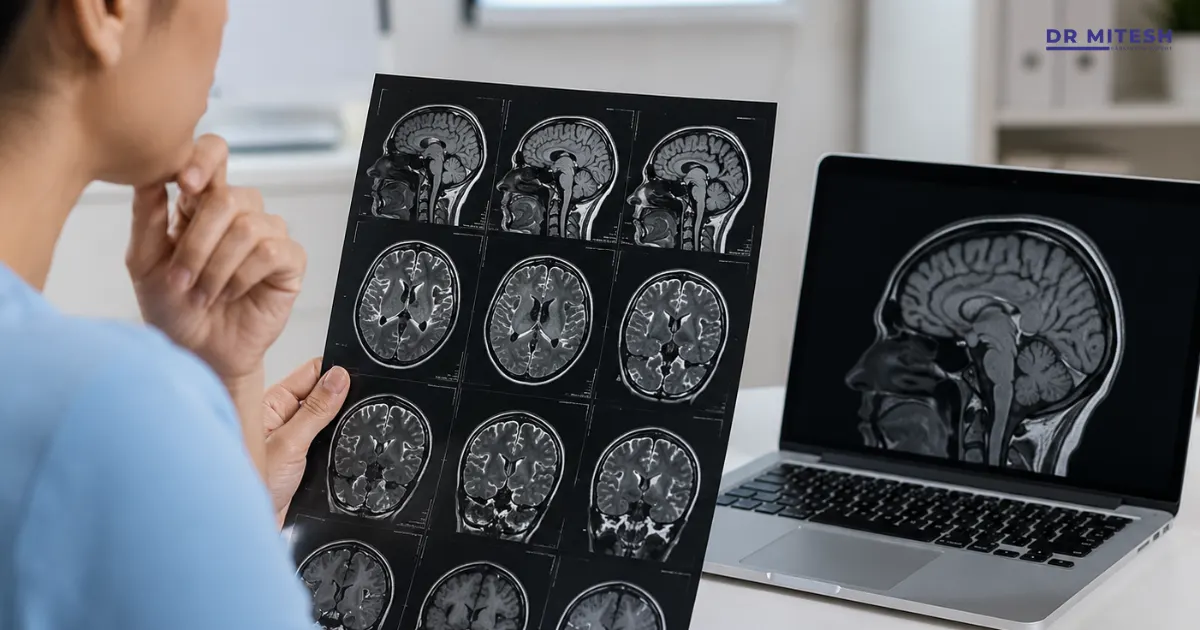

Difficulty walking steadily, poor balance, frequent falls, or uncoordinated movements are symptoms many people describe simply as “loss of balance.” However, medically, these symptoms may point toward a condition called ataxia.
Ataxia is not a disease itself. It is a neurological symptom that refers to impaired coordination and balance caused by dysfunction in different parts of the nervous system.
Two commonly discussed forms are:
- Cerebellar ataxia
- Sensory ataxia
Although both conditions can cause instability while walking and difficulty with coordination, their causes, underlying mechanisms, symptoms, and treatment approaches are quite different.
Understanding the difference between cerebellar ataxia and sensory ataxia is important because accurate diagnosis helps guide proper treatment and rehabilitation.
What Is Ataxia?
Ataxia refers to a lack of muscle coordination during voluntary movements.
It can affect:
- Walking
- Hand movements
- Balance
- Speech
- Eye movements
- Coordination of limbs
People with ataxia may appear:
- Unsteady while walking
- Clumsy during movements
- Off-balance
- Difficult to coordinate physically
The nervous system controls coordination through several pathways. When these pathways are damaged, ataxia develops.
Understanding Cerebellar Ataxia
Cerebellar ataxia occurs when the cerebellum, the part of the brain responsible for balance and coordination is affected.
The cerebellum helps regulate:
- Smooth body movements
- Balance
- Posture
- Fine motor control
- Eye coordination
When this region becomes damaged, movements become inaccurate and poorly coordinated.
Common Symptoms of Cerebellar Ataxia
Symptoms often develop gradually but may sometimes appear suddenly depending on the cause.
Common Features Include:
- Wide-based unsteady walking
- Difficulty maintaining balance
- Clumsy hand movements
- Slurred speech
- Tremors during movement
- Difficulty judging distance during movement
- Eye movement abnormalities
People may sway while standing and struggle to walk in a straight line.
Read more: Voice Tremor: Causes, Diagnosis and Treatment
What Causes Cerebellar Ataxia?
Several neurological conditions can damage the cerebellum.
Possible Causes Include:
- Stroke affecting the cerebellum
- Brain tumors
- Alcohol-related brain damage
- Multiple sclerosis
- Genetic ataxias
- Vitamin deficiencies
- Infections
- Autoimmune disorders
Some cases progress slowly over years, while others develop more suddenly.
Understanding Sensory Ataxia
Sensory ataxia occurs due to problems in the sensory pathways responsible for position awareness.
Normally, nerves continuously send information to the brain about:
- Body position
- Joint movement
- Foot placement
- Limb orientation
When these sensory signals are disrupted, the brain loses accurate information about body positioning, leading to imbalance.
Unlike cerebellar ataxia, the cerebellum itself may function normally.
Common Symptoms of Sensory Ataxia
People with sensory ataxia often rely heavily on vision to maintain balance.
Common Features Include:
- Unsteady walking, especially in darkness
- Difficulty balancing with eyes closed
- Heavy stamping gait
- Loss of vibration or position sense
- Numbness or tingling in feet
- Frequent imbalance on uneven surfaces
Symptoms often worsen when visual input is reduced, such as walking in dim lighting.
What Causes Sensory Ataxia?
Sensory ataxia usually develops due to damage in peripheral nerves or spinal cord pathways.
Common Causes Include:
- Peripheral neuropathy
- Diabetes-related nerve damage
- Vitamin B12 deficiency
- Spinal cord disorders
- Autoimmune neuropathies
- Certain inherited neurological disorders
The underlying issue is loss of sensory feedback rather than direct cerebellar dysfunction.
Key Differences Between Cerebellar Ataxia and Sensory Ataxia
Although both conditions affect balance, neurologist look for specific patterns to differentiate them.
Comparison Table
| Feature | Cerebellar Ataxia | Sensory Ataxia |
|---|---|---|
| Main problem area | Cerebellum | Sensory nerves/spinal pathways |
| Balance worsens with eyes closed | Mild change | Significant worsening |
| Gait pattern | Wide-based and swaying | Stamping gait |
| Speech problems | Common | Rare |
| Tremors during movement | Common | Less common |
| Numbness or tingling | Usually absent | Often present |
This distinction helps doctors identify the source of neurological dysfunction more accurately.
Read more: Difference Between Parkinson’s Disease and Essential Tremor
Why the Romberg Test Is Important
One simple bedside neurological test often helps differentiate these conditions.
This is called the Romberg test.
During the test:
- The patient stands with feet together
- First with eyes open
- Then with eyes closed
Interpretation:
- Severe worsening after closing the eyes suggests sensory ataxia
- Similar imbalance with eyes open and closed suggests cerebellar ataxia
This happens because patients with sensory ataxia depend heavily on vision to compensate for poor sensory feedback.
How Doctors Diagnose Ataxia
Diagnosis involves a detailed neurological evaluation.
Doctors may assess:
- Walking pattern
- Balance
- Coordination
- Eye movements
- Reflexes
- Sensory function
Common Investigations Include:
MRI Brain
Used to evaluate cerebellar abnormalities.
Nerve Conduction Studies
Helpful in detecting peripheral neuropathy.
Blood Tests
May identify:
- Vitamin deficiencies
- Autoimmune disorders
- Metabolic causes
Genetic Testing
Sometimes recommended in inherited ataxias.
Accurate diagnosis is essential because treatment depends on identifying the underlying cause.
Treatment for Cerebellar Ataxia
Treatment mainly focuses on:
- Managing the underlying cause
- Improving mobility
- Preventing falls
- Supporting daily functioning
Common Approaches Include:
- Physiotherapy
- Balance training
- Occupational therapy
- Speech therapy
- Treatment of underlying neurological conditions
In some cases, symptoms may improve if the underlying cause is treatable, such as vitamin deficiency or alcohol-related damage.
Treatment for Sensory Ataxia
Management focuses on correcting the underlying sensory problem whenever possible.
Treatment May Include:
- Treating peripheral neuropathy
- Vitamin B12 supplementation
- Diabetes management
- Physiotherapy and gait training
- Fall prevention strategies
Assistive devices may sometimes help improve safety during walking.
Daily Challenges Faced by Patients
Both forms of ataxia can significantly affect quality of life.
Patients may struggle with:
- Fear of falling
- Difficulty walking independently
- Fatigue during movement
- Reduced confidence
- Social withdrawal
Simple daily activities such as climbing stairs or walking outdoors may become stressful.
Supportive rehabilitation and emotional support are therefore extremely important.
Importance of Physiotherapy and Rehabilitation
Rehabilitation plays a major role in improving function.
Benefits of Physiotherapy Include:
- Better balance
- Improved muscle coordination
- Safer walking
- Fall prevention
- Increased confidence
Although therapy may not completely reverse neurological damage, it often improves mobility and independence significantly.
When Should You See a Neurologist?
Medical evaluation is important if you notice:
- Persistent imbalance
- Frequent falls
- Difficulty coordinating movements
- Numbness with walking problems
- Slurred speech
- Progressive worsening of balance
Early diagnosis helps identify potentially treatable causes and improves long-term outcomes.
Frequently Asked Questions (FAQ)
- Is ataxia a disease?
No, Ataxia is a symptom caused by dysfunction in parts of the nervous system responsible for coordination and balance. - Which is more serious: cerebellar or sensory ataxia?
Both conditions can significantly affect mobility and quality of life. Severity depends on the underlying cause and progression. - Can ataxia be treated?
Treatment depends on the cause. Some forms improve with treatment, while others require long-term rehabilitation and symptom management. - Why does sensory ataxia worsen in darkness?
Patients rely heavily on vision to maintain balance because sensory feedback from the nerves is impaired. - Can physiotherapy help ataxia?
Yes, Physiotherapy and balance training often improve mobility, confidence, and fall prevention.
Final Thoughts
Although cerebellar ataxia and sensory ataxia may appear similar from the outside, they involve very different parts of the nervous system.
Understanding the difference is important because:
- Causes vary significantly
- Diagnostic tests differ
- Treatment approaches are not the same
- Rehabilitation strategies may need customization
Persistent balance problems should never be ignored, especially if symptoms are worsening over time.
With early neurological evaluation, proper rehabilitation, and supportive care, many patients can improve mobility, reduce fall risk, and maintain better quality of life.
References
- National Institute of Neurological Disorders and Stroke – Ataxia Information Page
- Mayo Clinic – Cerebellar Ataxia Overview
- Cleveland Clinic – Sensory Ataxia and Balance Disorders
- National Ataxia Foundation – Types of Ataxia
- American Academy of Neurology – Clinical Evaluation of Ataxia