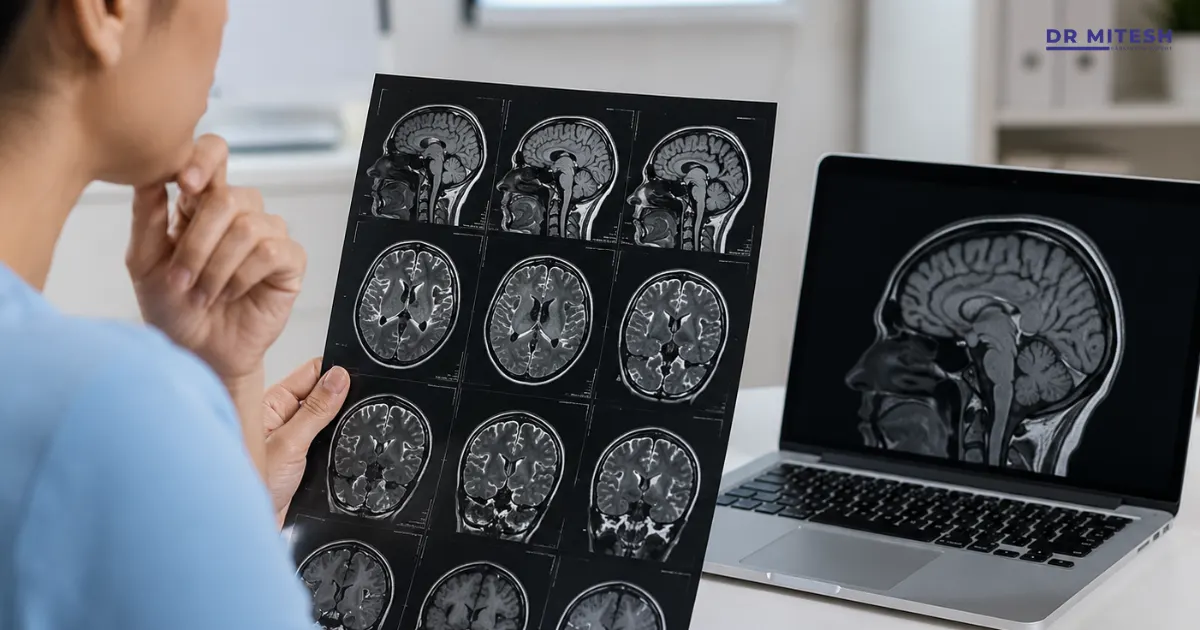
Parkinson’s disease is widely recognized for its impact on movement, but growing research has begun to highlight another crucial aspect: gut health. The connection between Parkinson’s and gut health is an emerging area of study that is changing how doctors view and treat the disease. Understanding this relationship can lead to better symptom management and potentially open the door for new treatments.
What is Parkinson’s Disease?
Parkinson’s disease is a progressive neurological disorder that primarily affects movement. It occurs when nerve cells in the brain that produce dopamine become damaged or die.
- Symptoms include tremors, stiffness, slowness of movement, and balance problems
- Non-motor symptoms like sleep disturbances, mood changes, and digestive issues are also common
- The cause is still unknown, but both genetic and environmental factors are thought to contribute
- It typically affects people over 60, but early-onset cases can occur
Understanding the Gut-Brain Axis
The gut-brain axis refers to the complex communication system between the gastrointestinal tract and the brain. This connection plays a role in mood, immune function, and even neurological health.
- The gut contains millions of neurons, sometimes called the “second brain”
- Gut bacteria (microbiota) can influence brain function through chemical signaling
- Disruption in the gut microbiome may impact inflammation, immunity, and neurological function
- Emerging evidence suggests this axis may contribute to the development or progression of Parkinson’s disease
How Parkinson’s Affects the Gut
Patients often report gastrointestinal issues years before motor symptoms begin, indicating the gut may be an early site of disease activity.
- Common symptoms include constipation, bloating, and delayed gastric emptying
- The vagus nerve, which connects the gut to the brain, may play a role in transporting alpha-synuclein (a protein linked to Parkinson’s) from the gut to the brain
- Poor gut motility can reduce the effectiveness of medications like Levodopa
- Chronic inflammation in the gut may exacerbate neurodegeneration
Learn more about Why Emotional and Physical Stress Worsen Dystonia
Scientific Evidence Linking Parkinson’s and Gut Health
Researchers have found compelling evidence that supports the connection between Parkinson’s and gut health.
- Alpha-synuclein deposits have been found in the guts of patients before brain involvement
- People who have had a vagotomy (removal of part of the vagus nerve) show a lower risk of Parkinson’s
- Studies show changes in gut microbiota composition in Parkinson’s patients compared to healthy individuals
- Animal studies demonstrate that gut bacteria can influence motor symptoms and inflammation
Symptoms to Watch For
Gastrointestinal issues are common in Parkinson’s and can affect quality of life. Recognizing these signs early can help guide better treatment.
- Persistent constipation (more than 3 days without a bowel movement)
- Excessive gas, bloating, or abdominal discomfort
- Difficulty swallowing or feeling full quickly
- Nausea and reduced appetite
- Unexplained weight loss
Managing Gut Health in Parkinson’s
Improving gut health can alleviate gastrointestinal symptoms and enhance overall well-being. Strategies may include lifestyle changes, diet, and medications.
- Dietary Adjustments:
- High-fiber foods like fruits, vegetables, and whole grains to ease constipation
- Adequate hydration to promote bowel movements
- Avoiding trigger foods such as dairy or gluten if intolerant
- Probiotics and Prebiotics:
- May help balance gut microbiota
- Some studies suggest they reduce inflammation and improve digestion
- Medications:
- Laxatives or stool softeners for constipation
- Prokinetics to enhance gastric motility
- Acid reducers for reflux or bloating
- Exercise:
- Regular physical activity can stimulate bowel movement and reduce stress
- Routine Monitoring:
- Keep a symptom diary to track digestion-related changes
- Regular consultation with a neurologist or gastroenterologist
Learn more about whether Parkinson’s is Genetic; Genetics Behind Parkinson’s Disease?
The Role of the Gut Microbiome
The human microbiome, especially gut bacteria, plays a key role in health and disease. In Parkinson’s, altered microbiome composition may contribute to symptoms and progression.
- Parkinson’s patients often show decreased beneficial bacteria and increased harmful ones
- Imbalance can lead to increased gut permeability (“leaky gut”) and systemic inflammation
- Personalized probiotics or dietary plans may eventually become part of treatment
- More research is needed to understand specific bacterial strains linked to symptoms
Can Improving Gut Health Slow Parkinson’s Progression?
While more evidence is needed, early findings are promising. Managing gut health may help reduce symptom severity and improve response to medication.
- Better digestion may improve medication absorption and effectiveness
- Reducing inflammation could help protect brain cells from damage
- Healthy gut function may improve mood, energy levels, and sleep
When to Seek Medical Advice
If you have Parkinson’s and are experiencing ongoing gastrointestinal symptoms, it’s important to speak to your doctor.
- Sudden or severe constipation
- Blood in stool or unexplained weight loss
- Nausea, vomiting, or loss of appetite
- Medication not working as expected due to absorption issues
- Symptoms that interfere with daily life or quality of life
Conclusion
The connection between Parkinson’s and gut health is now a well-recognized focus in medical research, with strong evidence linking the gut-brain axis in Parkinson’s to both motor and non-motor symptoms. By addressing gastrointestinal symptoms in Parkinson’s disease and managing Parkinson’s and digestive issues, patients can experience better treatment outcomes and an improved quality of life. For those seeking expert guidance, consulting a Movement Disorder Specialist is essential.
Authoritative References
- Cleveland Clinic – Gut and Brain Connection
- National Library of Medicine – Gut-Brain Axis
- Wikipedia – Gut-Brain Axis