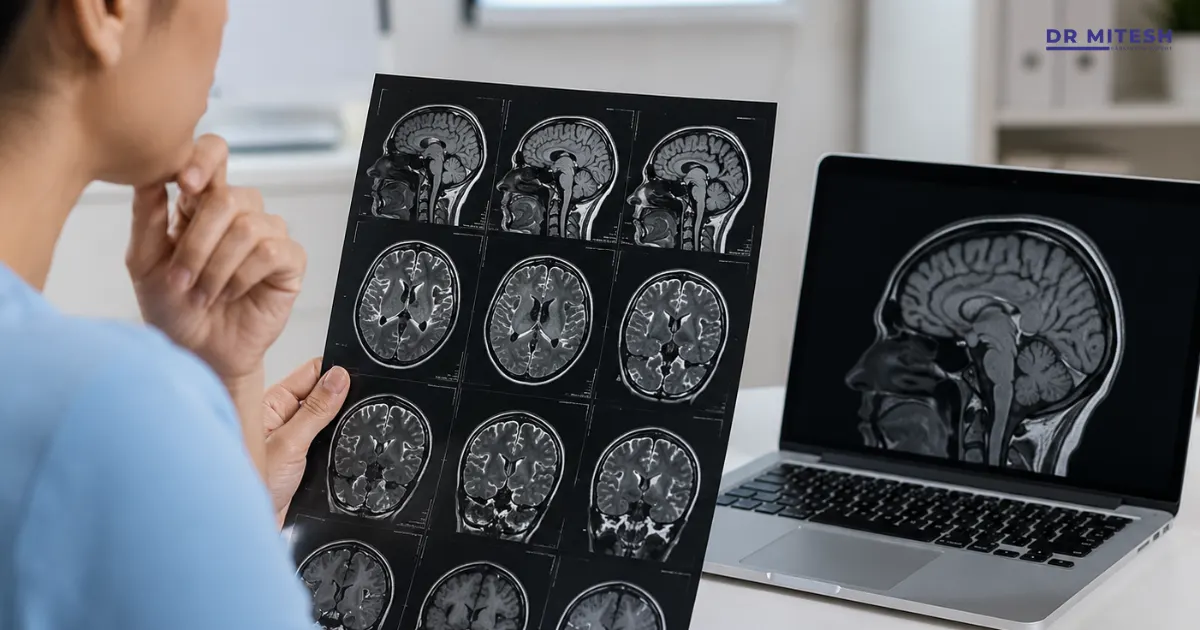

Balance and coordination are activities we often take for granted walking, writing, even standing all rely on a complex interplay between muscles, nerves, and the brain. When this system breaks down, we experience Ataxia, a neurological condition that affects movement in subtle to profound ways. This guide examines what ataxia is, how to recognize it, and what steps you can take to improve daily functioning.
What Is Ataxia?
Ataxia refers to a group of symptoms, rather than a specific disease, where balance, coordination, and precision of movement become impaired.
- Comes from the Greek word a‑taxia, meaning “lack of order”
- Affects the cerebellum (“little brain”) or its connections to other brain regions
- Can involve problems with walking, speech, eye movement, or fine motor tasks
Who Can Be Affected?
- Anyone – children, adults, seniors
- May appear in isolation or alongside other neurological conditions, such as stroke, multiple sclerosis, or Parkinson’s plus syndromes
- May be acquired suddenly (e.g., after a stroke) or develop gradually over years
Types of Ataxia
1. Cerebellar Ataxia
- Direct damage to the cerebellum (e.g., stroke, tumor, chronic alcohol abuse)
- Symptoms include tremors, poor timing, unsteady gait, and slurred speech
2. Sensory Ataxia
- Impaired sensation from the legs and feet, often due to peripheral neuropathy
- Patients may not sense their feet and compensate by looking down when walking
3. Vestibular Ataxia
- Originates in the inner ear or balance nerves
- Causes vertigo, nausea, and difficulty walking in the dark
4. Inherited Ataxias
- Caused by genetic mutations (e.g., spinocerebellar ataxia, Friedreich’s ataxia)
- Symptoms often appear in childhood or early adulthood
Early Warning Signs
Recognizing the early signs of Ataxia can help with quicker diagnosis and better outcomes:
- Unsteady gait: wide base, frequent stumbling, and swaying
- Clumsy hands: dropping items, difficulty picking things up
- Slurred speech: voice may sound slow, soft, or nasal
- Eye movement issues: difficulty tracking objects, jerky eye movements
- Nystagmus: involuntary rhythmic eye movements
If you experience these symptoms, especially alongside other neurological issues, it’s important to consult a neurologist.
Causes & Risk Factors
Neurological Conditions
- Stroke or brain hemorrhage
- Brain tumors, infections, or trauma affecting the cerebellum
- Neurodegenerative diseases like MS, MSA (Multiple System Atrophy)
Genetic Ataxias
- Progressive spinocerebellar ataxias
- Friedreich’s ataxia
Metabolic & Toxic Causes
- Excessive alcohol use
- Vitamin deficiencies (e.g., B12)
- Thyroid imbalance
Other Health Conditions
- Neuropathy (e.g., diabetes-related)
- Inner ear or vestibular disorders
- Medication side effects (e.g., anticonvulsants)
Diagnostic Approach
A Neurologist will help determine whether Ataxia is present and what type of ataxia it may be.
Clinical Evaluation
- Medical history: symptoms, onset, progression, family history
- Neurological exam: coordination tests, gait assessment, reflexes
Diagnostic Testing
- Imaging: MRI of the brain and spinal cord to locate lesions
- Blood tests: to check for metabolic imbalances or toxins
- Genetic testing: if inheritance is suspected
- Electrodiagnostic tests: EMG/NCS to evaluate peripheral nerve problems
Early assessment often includes ruling out other causes such as dystonia, tremor disorders, or neuropathy.
When to See a Specialist
Consult a Neurologist if you experience:
- Persistent unsteady walking
- Tremors, speech changes, or coordination difficulties
- Combinations of symptoms such as numbness, weakness, or visual disturbances
- Worsening symptoms or falls
Early medical attention can reduce complications and assist in planning supportive strategies.
Treatment & Management
There is no one-size-fits-all cure for ataxia, but many interventions can alleviate symptoms and improve quality of life.
1. Medical Treatment
- Medication: For tremors or associated conditions (e.g., multiple sclerosis)
- Vitamin supplementation: If deficiencies are detected
- Medication adjustment: Eliminating drugs that worsen coordination
2. Rehabilitation Therapies
- Physiotherapy:
- Gait training and strengthening exercises
- Balance drills (e.g., walking on varied surfaces)
- Occupational therapy:
- Daily skill relearning (eating, dressing, writing)
- Home adaptations such as grab bars and handrails
- Speech therapy:
- Therapy for slurred or slowed speech
- Strategies to improve communication clarity
Lifestyle & Coping Strategies
- Use assistive devices: gait belts, walkers, handrails
- Fall prevention: remove carpets or clutter, use non-slip mats
- Hydration and balanced diet: helps nerve and muscle function
- Regular exercise: low-impact activities like tai chi or yoga build balance and strength
- Brain and memory games: helpful in cases where cognitive impairment coexists
- Consider support groups and community rehab programs
Prognosis & What to Expect
- Non-progressive ataxia: may stabilize or improve with therapy
- Progressive ataxia: such as inherited forms, stabilization and quality-of-life support are primary goals
- Sudden onset: detecting reversible causes (e.g., stroke, B12 deficiency) can halt or improve symptoms
Ongoing multidisciplinary care from neurology to rehabilitation is essential for the best outcomes.
Final Takeaway
Ataxia, manifesting as unsteady gait, poor coordination, or slurred speech is a symptom, not a disease. Identifying the type and cause early is vital for effective management, whether through rehabilitative therapies or addressing reversible causes like vitamin deficiencies or thyroid imbalances. For patients in Gujarat and beyond, Medisquare Superspeciality Hospital offers comprehensive neurology and rehabilitation services, led by Dr. Mitesh Chandarana. Don’t wait, if balance is slipping, seeking expert help can restore control and quality of life.
Authoritative References
- Mayo Clinic – Ataxia
- Cleveland Clinic – What is Ataxia?
- Wikipedia – Ataxia
- Hopkins Medicine – Ataxia