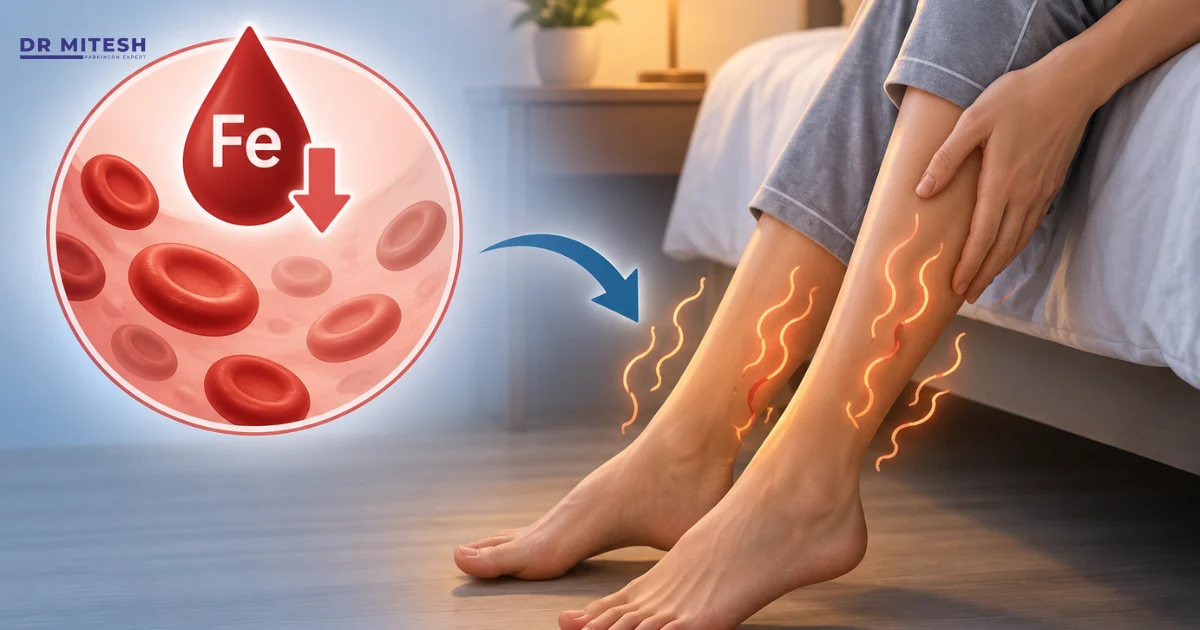

Dystonia is a neurological movement disorder characterized by involuntary muscle contractions that cause repetitive movements or abnormal postures. These symptoms can affect any part of the body and may be painful or disabling. Despite being relatively unknown compared to other neurological conditions, dystonia impacts thousands of people globally and can significantly interfere with quality of life. Understanding the causes, symptoms, and treatment options for dystonia is essential for early diagnosis and effective management.
What is Dystonia?
Dystonia refers to a group of disorders involving sustained or intermittent muscle contractions. These contractions result in twisting, repetitive movements, or abnormal fixed positions. It can occur in isolation or as part of another condition.
- Can affect one body part (focal dystonia) or multiple areas (generalized dystonia)
- May appear at any age, from childhood to adulthood
- Varies in severity and progression among individuals
For more info read: Botulinum Toxin Therapy for Dystonia and Spasms
Causes of Dystonia
The exact cause of dystonia is not always clear, but researchers have identified several contributing factors. Dystonia may be inherited, acquired through injury or illness, or appear without a known cause (idiopathic dystonia).
Genetic Factors
- Mutations in specific genes like DYT1, THAP1, or GNAL can cause hereditary dystonia
- Typically begins in childhood and may progress to other body parts
Secondary (Acquired) Causes
- Brain injury due to trauma, stroke, or lack of oxygen
- Certain medications, especially antipsychotics or anti-nausea drugs
- Infections affecting the brain, such as encephalitis
- Exposure to heavy metals or carbon monoxide poisoning
Idiopathic Dystonia
- No identifiable cause
- More common in adults
- Usually affects a single body part, like the neck or hand
Symptoms of Dystonia
The symptoms of dystonia can vary widely depending on the type and severity. They may develop gradually or suddenly and often worsen with stress, fatigue, or movement.
Common Symptoms
- Involuntary muscle contractions or spasms
- Repetitive, twisting movements
- Abnormal postures held for a few seconds or longer
- Tremors or jerky motions
- Pain or discomfort due to muscle overuse
Types of Dystonia
- Cervical Dystonia (Spasmodic Torticollis): Affects neck muscles, causing the head to twist or tilt
- Blepharospasm: Involuntary blinking or eyelid closure
- Oromandibular Dystonia: Affects jaw, lips, and tongue, often impairing speech
- Writer’s Cramp: A focal dystonia that affects the hand and forearm during writing
- Generalized Dystonia: Involves multiple body parts, often beginning in childhood
Diagnosis of Dystonia
Accurate diagnosis is crucial for managing dystonia effectively. It usually involves a detailed medical history, physical examination, and sometimes additional tests.
- Neurological exam to assess muscle tone, reflexes, and movement patterns
- Genetic testing if hereditary dystonia is suspected
- Imaging studies like MRI to rule out structural brain issues
- Blood tests to check for metabolic or toxic causes
For more info read: Early Symptoms of Neurological Disorders: When to See a Specialist
Treatment Options for Dystonia
Although there is no cure for dystonia, several treatments can significantly reduce symptoms and improve quality of life. The treatment plan often depends on the type, severity, and individual response.
Medications
- Anticholinergics (e.g., trihexyphenidyl) reduce abnormal brain signals
- Muscle relaxants such as baclofen help ease spasms
- Dopaminergic agents like levodopa may be used in some forms
- Benzodiazepines (e.g., clonazepam) for calming muscle activity
Botulinum Toxin Injections
- Effectively reduce localized muscle contractions
- Injected directly into overactive muscles
- Effects last 3-6 months and are repeatable
Physical and Occupational Therapy
- Improves motor function and coordination
- Helps develop coping strategies for daily activities
- May include stretching, strength training, and adaptive devices
Deep Brain Stimulation (DBS)
- Surgical option for severe or medication-resistant cases
- Electrodes implanted in specific brain regions help regulate abnormal signals
- Effective for generalized and segmental dystonia
Supportive Strategies
- Stress management through mindfulness or therapy
- Speech therapy for oromandibular or laryngeal dystonia
- Support groups for emotional and social support
Learn more about Tremors in Childhood and Adolescence: Why Early Diagnosis Matters.
Living with Dystonia
Managing dystonia is often a lifelong journey. A multidisciplinary approach that includes the Best Neurologists, therapists, and mental health professionals can improve overall outcomes.
- Regular follow-ups to monitor treatment effectiveness
- Maintaining a healthy lifestyle with balanced nutrition and exercise
- Joining local or online support communities
- Educating family and caregivers about the condition
When to Seek Help
If you experience involuntary movements, abnormal postures, or persistent muscle spasms, consult a neurologist. Early diagnosis and treatment can prevent symptom progression and reduce complications.
Red Flags
- Symptoms that interfere with daily life
- Sudden worsening of muscle contractions
- Involvement of new body parts
- Difficulty speaking, eating, or walking
Conclusion
Dystonia is a complex but manageable neurological disorder. With accurate diagnosis, personalized treatment, and supportive care, most patients can lead fulfilling lives. Understanding the causes, symptoms, and treatment options empowers patients and caregivers to take proactive steps toward improved health. For consulting the Best Parkinson Doctor and management, visit Medisquare Superspeciality Hospital, which offers evidence-based care for movement disorders including dystonia.
Authoritative References
- Mayo Clinic – Dystonia, Symptoms & Causes
- Cleveland Clinic – What is Dystonia?
- National Health Service – Dystonia
- Mayo Clinic – Dystonia, Diagnosis and Treatment