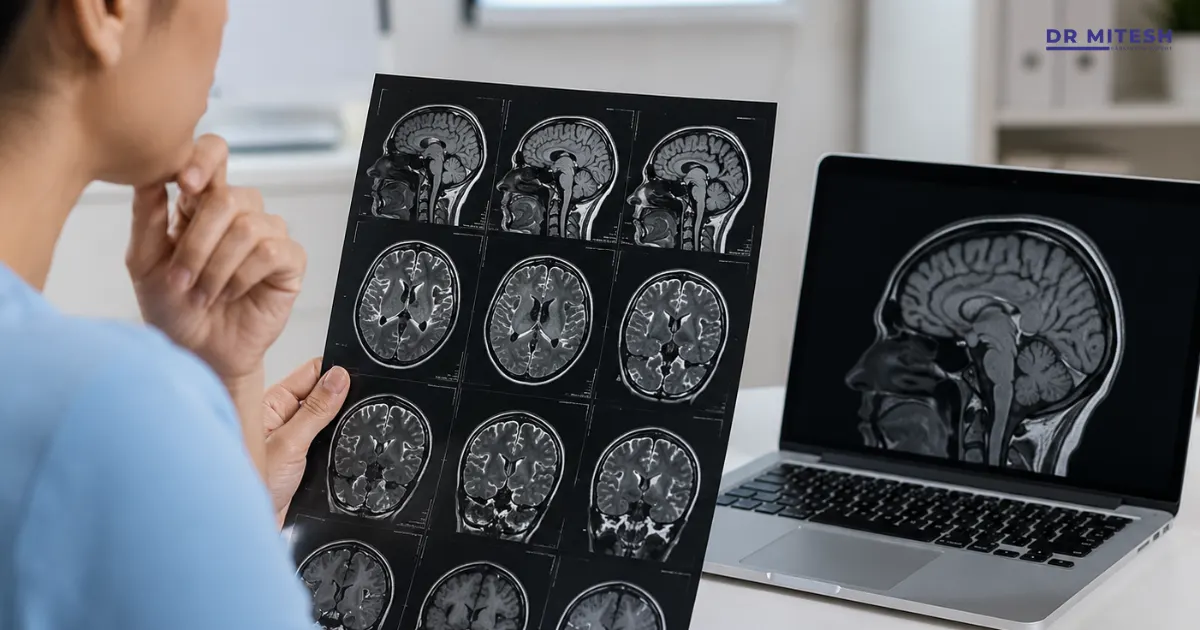

Tourette Syndrome is a neurological disorder characterized by involuntary, repetitive movements and vocalizations known as tics. These tics can range from mild to severe and may significantly affect a person’s daily life. Understanding the nature of Tourette Syndrome, its symptoms, underlying causes, and available management strategies is crucial for early diagnosis and effective intervention.
What is Tourette Syndrome?
Tourette Syndrome is part of a group of disorders known as tic disorders. It typically begins in childhood, often between the ages of 5 and 10. Although the exact cause remains unknown, research suggests that it is linked to abnormalities in certain brain regions and neurotransmitters.
- Involves both motor and vocal tics that persist for more than a year
- Usually begins before the age of 18
- Often occurs alongside conditions like ADHD and OCD
- More common in males than females
- Tics may wax and wane in frequency and intensity
Common Symptoms of Tourette Syndrome
The primary feature of Tourette Syndrome is the presence of motor and vocal tics. These are sudden, brief, and repetitive movements or sounds.
Common Motor Tics seen in TS
| Simple Tics | Complex Tics |
| Eye Blinking | Touching or Smelling Objects |
| Head Jerking | Repeating Observed Movements |
| Shoulder Shrugging | Stepping in a certain patterns |
| Eye Darting | Obscene Gesturing |
| Nose Twitching | Bending or Twisting |
| Mouth Movements | Hopping |
Common Vocal Tics seen in TS
| Simple Tics | Complex Tics |
| Grunting | Repeating one’s own words or phrases |
| Coughing | Repeating others words or phrases |
| Throat Clearing | Using vulgar, obscene or swear words |
| Barking |
Learn More About Wilson’s Disease: A Rare but Treatable Condition.
What Causes Tourette Syndrome?
While the exact cause is not fully understood, several factors may contribute to the development of TS.
- Genetic Factors:
- Family history plays a strong role
- Certain genetic mutations may increase risk
- Neurological Factors:
- Irregularities in brain regions such as the basal ganglia
- Imbalances in neurotransmitters like dopamine and serotonin
- Environmental Influences:
- Prenatal and perinatal complications
- Low birth weight or maternal stress during pregnancy
- Associated Conditions:
- Frequently co-occurs with Attention Deficit Hyperactivity Disorder (ADHD)
- Obsessive Compulsive Disorder (OCD) is also commonly linked
Diagnosing Tourette Syndrome
There are no specific tests for Tourette Syndrome, so diagnosis is based on clinical criteria.
- Medical history and physical examination
- Observing the type, frequency, and duration of tics
- Ruling out other neurological or psychiatric conditions
- Using guidelines such as the DSM-5 (Diagnostic and Statistical Manual of Mental Disorders)
- In some cases, imaging studies or lab tests may be performed to exclude other disorders
How is Tourette Syndrome Managed?
While there is no cure for TS, various treatments can help manage symptoms effectively.
| Approach | Examples | Purpose |
|---|---|---|
| Behavioral Therapy | Comprehensive Behavioral Intervention for Tics (CBIT), Habit Reversal Training (HRT), Cognitive Behavioral Therapy (CBT) | Helps reduce frequency and severity of tics |
| Medications | Risperidone, Aripiprazole, Clonidine | Controls motor/vocal tics and associated symptoms |
| Supportive Interventions | Counseling, psychoeducation, stress management, physical activity | Improves coping ability and quality of life |
| Alternative Therapies | Neurofeedback, mindfulness, dietary changes | Supportive role in symptom control |
Living with Tourette Syndrome
With proper support, individuals with TS can lead productive and fulfilling lives.
- Encourage open communication to reduce stigma
- Join support groups or counseling sessions
- Create a structured environment with clear expectations
- Collaborate with teachers and school counselors for academic support
- Educate peers and community members to foster understanding
When to See a Neurologist
If you or a loved one exhibits persistent motor or vocal tics, it is essential to meet the Best Neurologist.
- Tics interfere with daily activities or social interactions
- Symptoms worsen over time
- Coexisting conditions like ADHD or OCD are suspected
- Tics are causing physical discomfort or injury
- Accurate diagnosis ensures the right management plan
Tourette Syndrome and Children
Children with Tourette Syndrome may face unique challenges in school and social settings.
- Early intervention improves outcomes
- Special education services may be necessary
- Monitor for signs of bullying or isolation
- Encourage participation in extracurricular activities
- Maintain regular follow-ups with pediatric neurologists
Advances in Tourette Syndrome Research
Ongoing research is helping to uncover the genetic and neurological basis of Tourette Syndrome.
- Investigations into gene therapy and Deep Brain Stimulation (DBS)
- Studies on the impact of gut-brain axis and microbiome
- New pharmacological agents in clinical trials
- Emphasis on personalized and integrative treatment approaches
Conclusion
Tourette Syndrome is a complex but manageable neurological disorder. With early diagnosis, tailored treatment, and comprehensive support, individuals can effectively manage their symptoms and thrive in all aspects of life. If you or someone you know is experiencing signs of tics or has been diagnosed with TS, consider consulting the Best Neurologist for a personalized care plan.
External Authoritative References
- Wikipedia – Tourette Syndrome(TS)
- National Institute of Neurological Disorders and Strokes – Tourette Syndrome(TS)
- Mayo Clinic – Tourette Syndrome(TS)
- Cleveland Clinic – Tourette Syndrome(TS)
- Hopkins Medicine – Tourette Disorder(TS) in Children