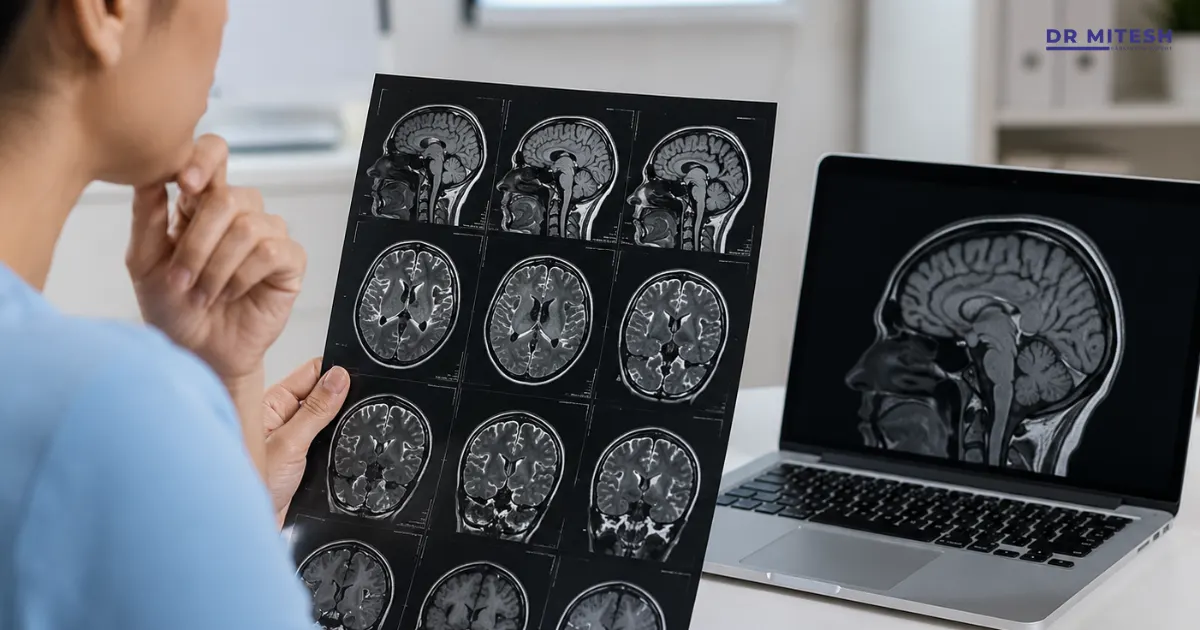

As people age, maintaining balance becomes increasingly challenging. It is not uncommon for older adults to feel unsteady while walking, have difficulty rising from a chair, or experience sudden dizziness. These issues are often brushed aside as a normal part of aging. However, balance problems in elderly individuals can be more than just age-related frailty. Understanding whether the cause is neurological or something else is critical for timely diagnosis and effective treatment.
What are Balance Problems in Elderly Individuals?
Balance problems in elderly individuals refer to a range of symptoms that affect a person’s ability to maintain a stable posture and coordination. These problems may increase the risk of falls, decrease mobility, and affect quality of life.
- Feeling unsteady or dizzy while standing or walking
- Difficulty maintaining posture
- Frequent tripping or falling
- Inability to walk in a straight line
- Sensation of spinning (vertigo) or light-headedness
These symptoms should not be ignored, especially when they interfere with daily activities. Identifying the root cause is crucial.
Neurological Causes of Balance Problems
The brain, spinal cord, and peripheral nerves play a vital role in maintaining balance. When these areas are compromised, balance issues may arise.
- Parkinson’s Disease: Causes bradykinesia, rigidity, and postural instability
- Peripheral Neuropathy: Damaged nerves affect sensory input, particularly in the feet
- Multiple Sclerosis (MS): Disrupts communication between the brain and body
- Stroke: Sudden brain damage can lead to partial paralysis and imbalance
- Cerebellar Ataxia: Affects the part of the brain that controls coordination
In such cases, a neurologist’s evaluation is essential. Treatments may include medications, physical therapy, or assistive devices.
Non-Neurological Causes of Balance Problems
Not all balance issues stem from neurological conditions. Several other systems in the body contribute to equilibrium.
- Inner Ear Disorders:
- Benign Paroxysmal Positional Vertigo (BPPV)
- Meniere’s Disease
- Labyrinthitis
- Vision Problems:
- Cataracts or macular degeneration reduce visual input
- Musculoskeletal Disorders:
- Arthritis in knees or hips
- Muscle weakness from inactivity
- Medication Side Effects:
- Sedatives, antidepressants, or blood pressure drugs can cause dizziness
- Cardiovascular Issues:
- Low blood pressure (orthostatic hypotension)
- Irregular heart rhythms (arrhythmia)
These issues are usually addressed by ENT specialists, ophthalmologists, cardiologists, or general physicians depending on the root cause.
How to Differentiate: Neurological vs. Non-Neurological
Correct diagnosis starts with understanding the pattern and nature of the symptoms. Here are some general clues:
- Neurological Indicators:
- Gradual worsening of symptoms
- Associated tremors, numbness, or slurred speech
- History of neurological disorders
- Non-Neurological Indicators:
- Sudden onset, often with a trigger (e.g., head movement in BPPV)
- Accompanied by visual or cardiac symptoms
- Symptoms improve or worsen with medication changes
A comprehensive medical evaluation is necessary to identify the cause accurately. It may include blood tests, imaging, and referrals to specialists.
When Should You Consult a Specialist?
Balance problems in elderly individuals should not be considered a normal part of aging, especially if:
- Falls are frequent or injurious
- Symptoms appear suddenly or worsen rapidly
- There is noticeable numbness, weakness, or confusion
- Vision or hearing is deteriorating
- There is a history of stroke or neurological conditions
Consulting a neurologist, ENT specialist, or geriatric physician can help pinpoint the issue. Early diagnosis leads to better outcomes.
Treatment Options
The treatment depends on whether the cause is neurological, sensory, cardiovascular, or musculoskeletal. Multidisciplinary care is often the best approach.
- Neurological Treatment:
- Parkinson’s: Dopaminergic medications, deep brain stimulation
- Neuropathy: Vitamin supplements, glucose control, physiotherapy
- Stroke: Rehabilitation therapy and medications
- Vestibular Therapy:
- BPPV maneuvers (Epley maneuver)
- Balance training exercises
- Medication Management:
- Review current prescriptions for dizziness-inducing side effects
- Adjust dosages as needed
- Vision and Hearing Aids:
- Glasses, cataract surgery, hearing devices
- Lifestyle Changes:
- Home safety modifications (grab bars, non-slip mats)
- Regular exercise like Tai Chi or yoga to improve strength and flexibility
Preventive Measures and Daily Tips
To reduce the risk of falls and improve quality of life, follow these preventive strategies:
- Regular medical checkups
- Stay physically active and include balance exercises
- Limit alcohol intake
- Wear supportive footwear
- Use walking aids when recommended
- Ensure adequate lighting at home
Caregivers should also be aware of changes in the elderly person’s balance or gait and seek timely medical intervention.
Role of a Multidisciplinary Team
A team-based approach works best in managing balance problems in elderly individuals. This team may include:
- Neurologist: To assess and manage neurological causes
- ENT Specialist: For inner ear and vestibular conditions
- Physiotherapist: To guide balance and strength training
- Occupational Therapist: To suggest home modifications and assistive devices
- Dietitian: To ensure proper nutrition
Collaboration between these specialists ensures comprehensive care and better long-term outcomes.
Conclusion
Balance problems in elderly individuals are common but should never be ignored. While some causes are age-related, many stem from treatable conditions, both neurological and non-neurological. Identifying the exact reason requires a careful evaluation and often a team of specialists. For those in Gujarat or nearby areas, expert neurology consultations with Dr. Mitesh Chandarana at Medisquare Superspeciality Hospital offer comprehensive diagnosis and management of age-related and neurological balance disorders. Don’t let balance issues compromise your independence; timely care can make all the difference.