Many people who take psychiatric medicines eventually reach a point where they ask an important question:
“Do I really need this medicine anymore?” or “Can I stop it on my own now that I feel better?”
These thoughts are very common and completely understandable. Some people worry about long-term side effects, while others feel they have recovered and no longer need treatment. However, stopping psychiatric medicines without proper guidance can sometimes do more harm than good.
This blog explains why stopping on your own can be risky, when it may be safe to reduce or stop medicines, and how to do it the right way calmly, safely, and confidently.
Why Psychiatric Medicines Are Prescribed in the First Place
Psychiatric medicines are used to help balance brain chemicals that affect:
- Mood
- Sleep
- Anxiety
- Thoughts
- Behavior
They are commonly prescribed for conditions like:
- Depression
- Anxiety disorders
- Panic attacks
- Bipolar disorder
- Psychosis
- Sleep disorders
For many people, these medicines are life-changing and life-saving especially during difficult phases.
Why People Want to Stop Psychiatric Medicines
There are many valid reasons people consider stopping treatment.
Common reasons include:
- Feeling emotionally stable again
- Worry about long-term use
- Experiencing side effects
- Fear of dependency
- Pregnancy planning
- Social stigma
These concerns deserve attention but decisions should never be rushed.
Can You Stop Psychiatric Medicines on Your Own?
The short and clear answer is: No, you should not stop psychiatric medicines on your own.
Stopping suddenly can lead to:
- Return of original symptoms
- New withdrawal symptoms
- Emotional instability
- Sleep problems
- Physical discomfort
This applies even if you feel “completely fine” right now.
What Happens If Psychiatric Medicines Are Stopped Suddenly?
Sudden stopping can confuse the brain, which has adjusted to the medicine over time.
Possible psychiatric medication withdrawal symptoms include:
- Anxiety or panic
- Low mood or crying spells
- Irritability
- Dizziness or headaches
- Sleep disturbance
- Electric shock–like sensations
- Restlessness or agitation
These symptoms can be mistaken for relapse, when in fact they are withdrawal effects.
Side Effects of Psychiatric Drugs: A Real Concern
It’s true that some people experience side effects of psychiatric drugs, especially with long-term use.
These may include:
- Weight changes
- Sleepiness or fatigue
- Tremors or stiffness
- Emotional blunting
- Sexual side effects
However, stopping suddenly is not the solution. Dose adjustment, switching medicines, or gradual tapering is usually safer and more effective.
When Is It Reasonable to Consider Stopping Psychiatric Medicines?
Stopping or reducing treatment may be considered when:
- Symptoms have been stable for a long time
- Life stressors are under control
- Therapy or coping strategies are in place
- The medicine was meant for short-term use
This is what doctors mean by when to stop psychiatric medicines not based on impulse, but on stability.
Stopping Psychiatric Medicines the Right Way
If stopping is appropriate, it should be done gradually and with guidance.
Safe steps usually include:
- Slow dose reduction over weeks or months
- Monitoring mood and sleep closely
- Regular follow-ups
- Having a clear plan if symptoms return
This approach minimizes withdrawal and protects long-term mental health.
Why Some Symptoms Appear After Stopping
After stopping, some people experience symptoms and think:
“The medicine was hiding my real problem.”
In reality:
- The brain needs time to readjust
- Temporary symptoms are common
- This does not mean permanent dependence
Distinguishing withdrawal from relapse requires professional evaluation.
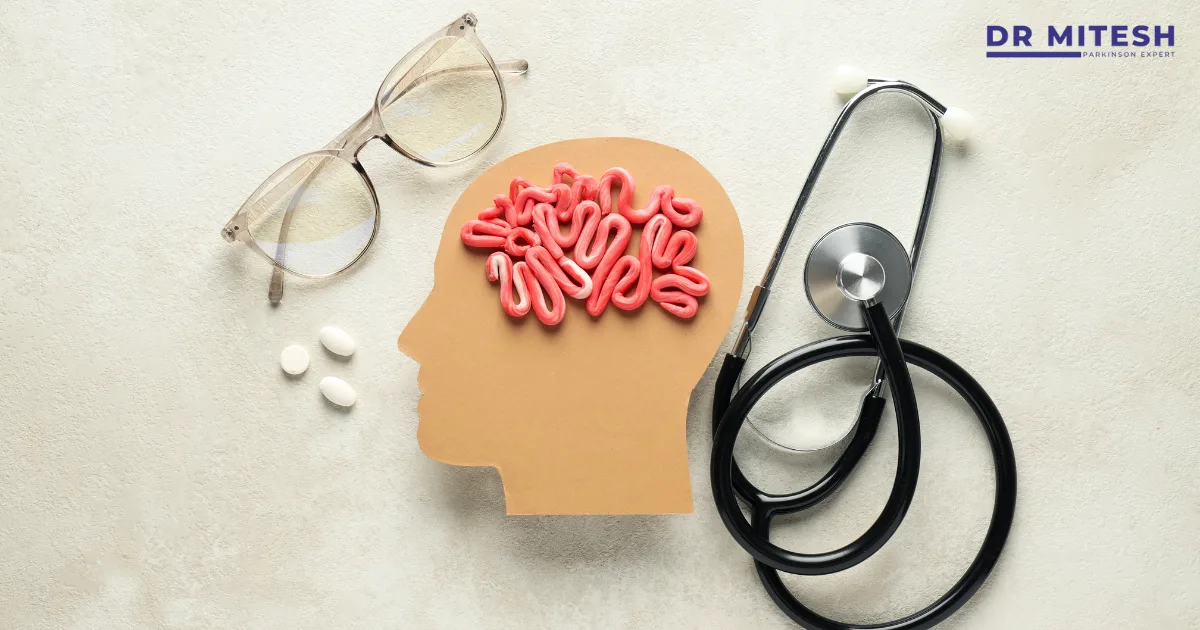
Psychiatric Medicines and the Brain: A Simple Explanation
Think of psychiatric medicines as support rails for the brain.
- They help stabilize function during vulnerable periods
- Over time, the brain may regain balance
- Removing support suddenly can cause imbalance
Gradual change allows the brain to adapt safely.
Can Psychiatric Medicines Cause Movement Problems?
Yes, some medicines especially when used long term can cause:
- Tremors
- Stiffness
- Slowness
- Restlessness
These symptoms often worry patients and lead them to stop medicines abruptly. However, many such problems improve with dose adjustment rather than sudden stopping.
Common Myths About Psychiatric Medicines
Let’s clear some misconceptions:
- “If I stop suddenly, I’ll know if I still need it”
- “Feeling better means the illness is cured forever”
- “These medicines are always addictive”
Truth:
- Most psychiatric medicines are not addictive
- Stopping needs planning, not testing
- Recovery is often gradual, not permanent overnight
Role of Therapy Alongside Medicines
Medicines work best when combined with:
- Counseling or psychotherapy
- Stress management
- Sleep hygiene
- Lifestyle changes
This combination reduces dependence on medicines over time and supports safe discontinuation.
What If Symptoms Return After Stopping?
If symptoms return:
- It does not mean failure
- It does not mean lifelong medication
- It means the brain may need more time
Sometimes restarting or adjusting treatment is the healthiest choice.
How to Talk to Your Doctor About Stopping
You can say:
- “I’m feeling stable and want to review my medicines”
- “I’m worried about side effects”
- “Can we plan a slow reduction?”
A good doctor will:
- Listen without judgment
- Explain risks and benefits
- Create a personalized plan
FAQs
1. Can I stop psychiatric medicines once I feel better?
Feeling better is often because of the medicine. Stopping should be planned, not automatic.
2. Are psychiatric medicines habit-forming?
Most are not addictive, but sudden stopping can cause withdrawal-like symptoms.
3. How long does withdrawal last if I stop suddenly?
Symptoms may last days to weeks, sometimes longer, depending on the medicine.
4. Is it dangerous to stop on my own?
Yes. Sudden stopping can worsen symptoms and cause unnecessary suffering.
5. Can long-term users ever stop psychiatric medicines?
Yes, many people can with proper guidance and gradual tapering.
Conclusion
Psychiatric medicines are meant to support the brain during vulnerable times not to trap someone into lifelong dependence. While concerns about side effects and long-term use are valid, stopping psychiatric medicines on your own is risky and often counterproductive. The safest path forward is informed decision-making, guided tapering, and professional support.
For patients experiencing side effects, movement symptoms, or uncertainty about long-term treatment, timely advice from Movement Disorder Specialist in Ahmedabad can help determine whether medicines should be continued, adjusted, or safely reduced protecting both mental health and overall well-being.
Authoritative References
- Wikipedia – Psychiatric Medications
- PubMed Central – Psychiatric Medicine Withdrawal
- PubMed Central – Side Effects of Psychiatric Drugs