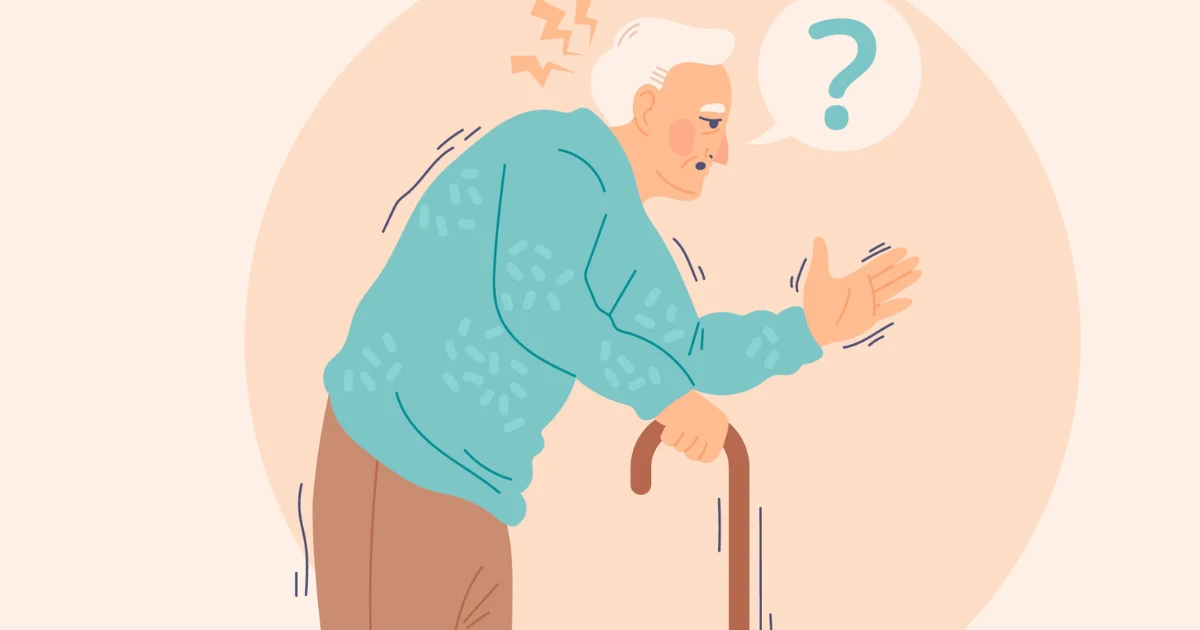
One of the most challenging symptoms that patients with Parkinson’s disease face is the sudden inability to move their feet while walking. This symptom, known as Freezing of Gait (FOG), can increase the risk of falls and severely impact the quality of life. Understanding what causes this phenomenon and learning coping strategies can empower both patients and caregivers to manage gait in Parkinson more effectively.
What is Freezing of Gait?
Freezing of gait in Parkinson is a temporary, involuntary inability to move the feet forward despite the intention to walk. It typically occurs:
- When starting to walk
- Turning corners or navigating tight spaces
- Approaching doorways or obstacles
- When under stress or time pressure
FOG is one of the most debilitating motor symptoms of Parkinson’s disease and often becomes more common as the condition progresses.
Causes of Gait Freezing in Parkinson’s
While the exact cause of gait in Parkinson-related freezing is not fully understood, researchers believe it results from a combination of motor and non-motor factors.
- Impaired Communication Between Brain Regions:
- Disruption in the basal ganglia, which controls movement
- Delayed signaling between motor planning and execution
- Dopamine Depletion:
- Reduced dopamine impairs the brain’s ability to initiate movement
- Environmental Triggers:
- Cluttered or narrow walking spaces
- Patterned floors or sudden changes in surface
- Cognitive and Emotional Factors:
- Anxiety, stress, and multitasking can worsen freezing episodes
- Medication Wearing Off:
- FOG is often linked to “off” periods when Parkinson’s medications are less effective
Recognizing Freezing Episodes
It is important to recognize the signs of an oncoming freezing episode so that preventive steps can be taken.
- Sudden feeling of being “glued to the floor”
- Short, rapid steps that become more frequent before freezing
- Inability to lift feet even though upper body wants to move forward
- Feeling of imbalance or fear of falling
Who is More Likely to Experience Gait Freezing?
Not all individuals with Parkinson’s disease experience freezing of gait. However, the risk increases in:
- Advanced stages of Parkinson’s
- Patients with balance or posture problems
- Individuals with longer disease duration
- Those experiencing non-motor symptoms like cognitive decline or anxiety
Coping Strategies for Freezing of Gait
There are several practical techniques and tools that patients and caregivers can use to reduce or manage gait freezing.
Visual Cues
- Place lines or colored tape on the floor to step over
- Use a laser line walker to create a visual prompt
- Imagine stepping over an invisible object
Auditory Cues
- Count aloud or use rhythmic clapping
- Listen to metronome beats or music with a strong rhythm
Mental Techniques
- Shift weight side-to-side to trigger movement
- Focus on one step at a time instead of the whole distance
- Avoid multitasking during walking
Physical Strategies
- March in place for a few seconds before initiating a step
- Rock from side to side to build momentum
- Use walking aids like a cane or rollator
Environmental Modifications
- Keep pathways at home clear of obstacles
- Install handrails along corridorsx
- Avoid patterned rugs or shiny surfaces that may act as visual triggers
Medical and Therapeutic Interventions
Managing gait in Parkinson effectively often involves a multidisciplinary approach combining medication, therapy, and possibly surgery.
Medications
- Adjustments in Levodopa or dopamine agonist dosage
- MAO-B inhibitors to reduce off-time periods
- Discuss medication timing with a Neurologist to avoid gaps
Physical Therapy
- Gait training exercises to improve coordination
- Balance and strength-building routines
- Use of treadmill with visual or auditory cues
Occupational Therapy
- Tips for home safety and adaptive strategies
- Recommendations for walking aids or assistive technology
Deep Brain Stimulation (DBS)
- May be considered in advanced Parkinson’s cases with significant motor fluctuations
- Not always effective specifically for freezing, but can improve overall motor control
Role of Caregivers
Caregivers play a vital role in managing gait-related symptoms and ensuring the safety of Parkinson’s patients.
- Learn and apply cueing techniques
- Provide a calm, stress-free environment
- Encourage regular therapy and medication compliance
- Be alert to sudden changes in walking pattern or posture
Psychological Support for Patients
Freezing of gait can be emotionally distressing and contribute to feelings of helplessness or embarrassment.
- Counseling or support groups to reduce anxiety
- Cognitive behavioral therapy for coping with frustration
- Encouraging social interaction to reduce isolation
Preventing Falls and Injuries
Since freezing of gait increases fall risk, preventive steps are essential.
- Wear proper footwear with non-slip soles
- Use nightlights or motion-sensor lighting in hallways
- Avoid carrying items while walking
- Practice safe techniques for rising from a chair or bed
When to Seek Medical Advice
If freezing of gait episodes become more frequent or start interfering with daily activities, it’s important to consult a neurologist or movement disorder specialist.
- Worsening symptoms despite medication
- Frequent falls or near-falls
- Significant changes in mobility or balance
- Emotional distress related to walking issues
Conclusion
Freezing of gait in Parkinson is a complex but manageable symptom. By understanding its triggers and implementing coping strategies, patients can significantly improve their mobility and reduce the risk of falls. For comprehensive evaluation and treatment, consider consulting a Movement Disorder Specialist.
Authoritative References
- American Parkinson Disease Association – Freezing of Gait in Parkinson
- Translational Neurodegeneration – Freezing of Gait in Parkinson
- American Parkinson Disease Association – Tips to overcome Freezing of Gait in Parkinson