
Feeling unsteady while walking or suddenly losing your balance can be alarming. Many people experience occasional dizziness or imbalance, especially when tired, dehydrated, or after getting up too quickly.
However, when these symptoms become frequent, persistent, or severe, they should not be ignored. Loss of balance may be an early warning sign of an underlying condition, ranging from simple inner ear problems to more serious neurological disorders.
Understanding when to worry can help you seek timely medical care and prevent complications such as falls or injuries.
What is Loss of Balance?
Loss of balance is a symptom that affects your ability to maintain a stable posture while standing, walking, or moving.
It may feel like:
- Unsteadiness or swaying while walking
- A sensation of spinning (vertigo)
- Lightheadedness or feeling faint
- Sudden loss of coordination
- A feeling that you might fall
Balance is controlled by a complex system involving:
- The inner ear (vestibular system)
- The brain (especially the cerebellum)
- Vision
- Sensory nerves in muscles and joints
Any disruption in this system can lead to imbalance.
Understanding the Types of Balance Problems
Not all balance problems are the same. Understanding the difference helps in identifying the cause:
- Dizziness: A general feeling of lightheadedness or faintness
- Vertigo: A spinning sensation, often due to inner ear issues
- Disequilibrium: A sense of unsteadiness while walking
- Presyncope: Feeling like you are about to faint
Each type points toward different underlying causes.
Common Causes of Loss of Balance
1. Inner Ear Disorders (Most Common Cause)
The inner ear plays a key role in maintaining balance.
Common conditions include:
- Benign Paroxysmal Positional Vertigo (BPPV)
- Vestibular neuritis
- Ménière’s disease
These conditions typically cause spinning sensations and are often triggered by head movements.
2. Neurological Causes
The brain and nervous system are essential for coordination.
Conditions include:
- Parkinson’s disease
- Stroke or transient ischemic attack (TIA)
- Cerebellar disorders
- Peripheral neuropathy
These may lead to unsteady walking, poor coordination, or frequent falls.
3. Blood Pressure and Circulatory Problems
A drop in blood pressure can reduce blood flow to the brain.
- Orthostatic hypotension (drop in BP on standing)
- Heart rhythm problems
This often causes dizziness when getting up quickly.
4. Medication Side Effects
Certain medications can affect balance, including:
- Blood pressure medicines
- Sedatives or sleeping pills
- Antidepressants
- Anti-anxiety medications
5. Age-Related Changes
As we age:
- Muscle strength decreases
- Reflexes slow down
- Vision and inner ear function decline
This increases the risk of imbalance and falls.
6. Other Causes
- Dehydration
- Low blood sugar
- Anxiety and panic disorders
- Vitamin deficiencies (especially B12)
When Should You Worry? (Red Flag Symptoms)
While many causes are harmless, some symptoms require urgent medical attention.
Seek immediate care if you experience:
- Sudden and severe loss of balance
- Difficulty speaking or slurred speech
- Weakness or numbness in face, arms, or legs
- Sudden vision problems or double vision
- Severe headache unlike usual
- Confusion or altered consciousness
- Repeated falls or inability to stand
These may indicate serious conditions such as stroke or acute neurological disorders and should not be delayed.
Could Loss of Balance Be Related to Parkinson’s Disease?
Yes, in some cases.
In Parkinson’s disease, balance problems usually appear later but can significantly affect daily life.
Signs to watch for:
- Shuffling walk
- Stooped posture
- Slowness of movement
- Reduced arm swing while walking
- Frequent falls
Early recognition can help in better management and improved quality of life.
When Should You See a Doctor?
You should consult a doctor if:
- Symptoms are persistent or worsening
- You have experienced even a minor fall
- You feel unsafe while walking
- There are associated neurological symptoms
- Balance issues interfere with daily activities
Early evaluation helps identify the cause and prevent complications.
How is Loss of Balance Diagnosed?
Diagnosis begins with a detailed medical history and physical examination.
Your doctor may recommend:
- Neurological examination
- Blood pressure measurement (lying and standing)
- Blood tests (for sugar, vitamins, etc.)
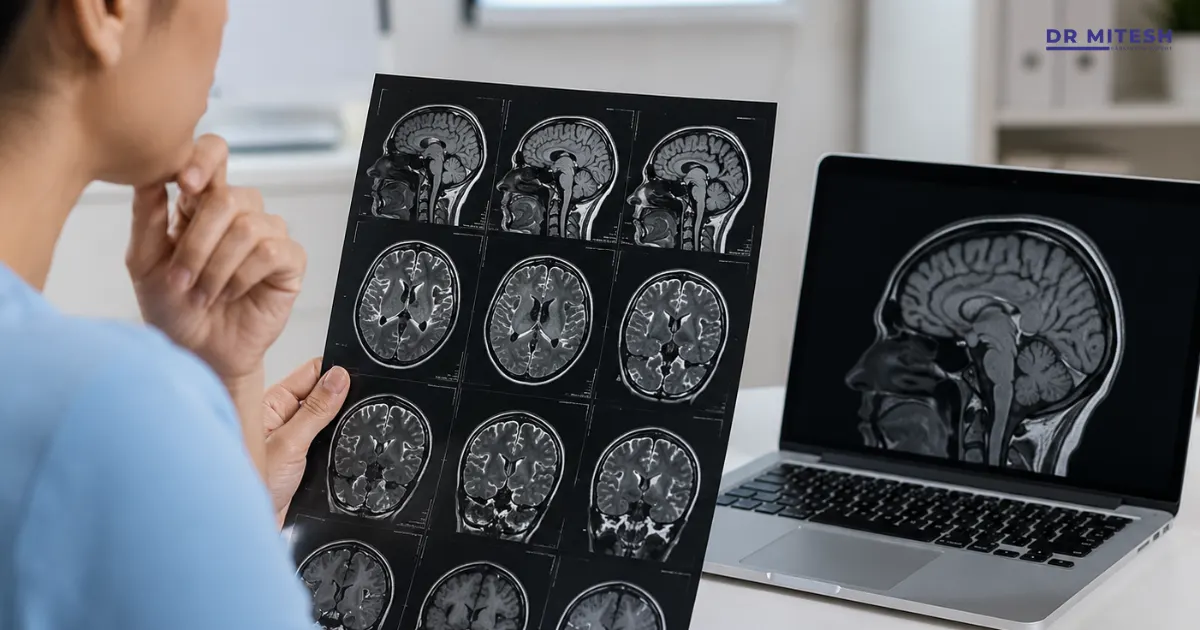
- MRI or CT scan (if neurological cause suspected)
- Vestibular function tests for inner ear problems
Each test helps narrow down the cause and guide treatment.
Treatment Options
Treatment depends on the underlying cause:
- Inner ear disorders: Medications, positional maneuvers, vestibular therapy
- Neurological conditions: Disease-specific management
- Blood pressure issues: Lifestyle changes and medication adjustments
- Deficiencies: Supplements and diet correction
- Medication-induced imbalance: Dose adjustment or alternatives
Simple Tips to Prevent Falls and Improve Balance
- Keep your home well-lit and free of obstacles
- Install grab bars in bathrooms if needed
- Wear proper footwear
- Avoid sudden position changes
- Stay hydrated
- Engage in balance exercises (like physiotherapy or yoga)
- Review medications regularly with your doctor
FAQs
- 1. Is loss of balance a normal part of aging?
Mild imbalance can occur with age, but frequent or severe symptoms are not normal and should be evaluated. - Can anxiety cause balance problems?
Yes, Anxiety can cause dizziness, lightheadedness, and a sense of imbalance. - How do I know if my dizziness is serious?
If it is sudden, severe, or associated with neurological symptoms like weakness or speech problems, seek immediate medical care. - Can dehydration cause imbalance?
Yes, Lack of fluids can lead to dizziness and lightheadedness. - Can balance problems be cured?
Many causes are treatable, especially when diagnosed early.
Conclusion
Loss of balance is a common symptom, but it should not be ignored – especially if it is persistent, worsening, or associated with other warning signs.
Timely medical evaluation can help identify the cause, prevent falls, and improve overall quality of life.
If you or your loved one is experiencing balance issues, consulting a Movement Disorder Specialist in Ahmedabad early can make a significant difference.
References
- Mayo Clinic – Balance problems: Symptoms and causes
- Cleveland Clinic – Balance problems
- National Institute on Aging – Falls and balance issues in older adults
- Harvard Health Publishing – Understanding dizziness and balance