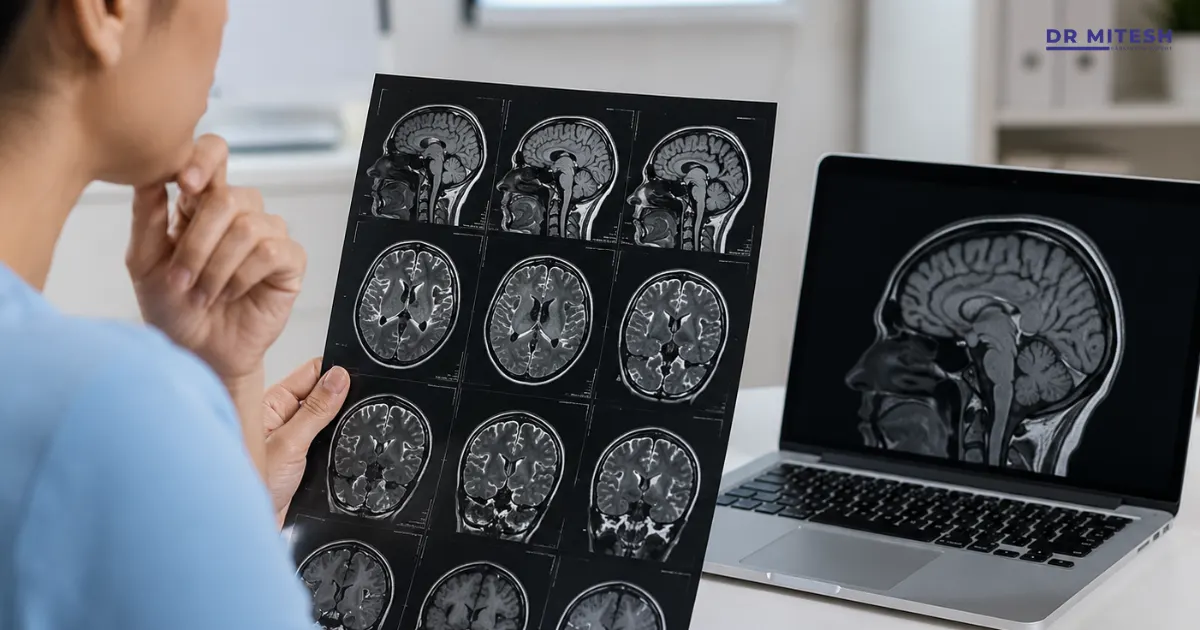

Occupational therapy plays a vital role in helping individuals with neurological disorders regain independence and improve their quality of life. Whether it’s Parkinson’s disease, stroke, multiple sclerosis, or traumatic brain injury, occupational therapy can provide patients with strategies to manage daily tasks, enhance mobility, and maintain functional abilities.
This blog explores what occupational therapy involves, how it helps neurological patients, and what to expect during the therapy journey. If you or a loved one is managing a neurological condition, understanding occupational therapy can be the first step toward improving day-to-day living.
What Is Occupational Therapy?
Occupational therapy is a type of rehabilitation that helps people across all ages participate in the activities they want and need to do through the therapeutic use of everyday activities (occupations). For neurological patients, this therapy focuses on improving physical, cognitive, and emotional abilities needed for independent living.
Goals of Occupational Therapy:
- Enhance daily living skills (dressing, grooming, eating)
- Improve motor coordination and strength
- Increase cognitive function such as memory and concentration
- Promote emotional well-being and coping strategies
- Prevent falls and ensure safety at home
How Occupational Therapy Helps Neurological Patients
Patients with neurological conditions often struggle with coordination, balance, fatigue, and cognitive limitations. Occupational therapy can address these challenges through personalized and adaptive techniques.
Benefits for Common Neurological Conditions:
Parkinson’s Disease
- Assists with managing tremors and rigidity
- Helps with fine motor tasks like buttoning shirts or writing
- Provides strategies to conserve energy and improve mobility
Stroke Recovery
- Re-teaches activities like bathing, cooking, and writing
- Improves strength and range of motion in affected limbs
- Introduces adaptive tools for greater independence
Multiple Sclerosis (MS)
- Offers fatigue management techniques
- Recommends environmental modifications to reduce strain
- Teaches stress-relieving exercises and routines
Traumatic Brain Injury (TBI)
- Enhances cognitive skills such as attention and memory
- Provides techniques to improve daily planning and organization
- Supports emotional and behavioral adaptation
Learn more about Early Symptoms of Neurological Disorders: When to See a Specialist.
What to Expect During Occupational Therapy
Occupational therapy is highly personalized. The therapist will conduct an initial evaluation and create a care plan tailored to your specific needs, abilities, and goals.
Initial Assessment Includes:
- Review of medical history and current challenges
- Evaluation of muscle strength, range of motion, and fine motor skills
- Assessment of cognitive abilities such as attention and memory
- Observation of daily routines and task performance
Development of a Therapy Plan:
- Setting short-term and long-term goals
- Identifying tools and devices needed (e.g., grab bars, dressing aids)
- Creating a routine of exercises and strategies
- Scheduling therapy sessions at appropriate intervals
Activities You May Engage In:
- Hand-eye coordination drills using pegs or puzzles
- Functional tasks like making tea or folding laundry
- Simulated tasks (e.g., shopping list planning, money handling)
- Group therapy or cognitive games
Home Modifications and Assistive Devices
Occupational therapists often evaluate the patient’s home and recommend modifications to improve safety and ease of living.
Common Suggestions:
- Installing grab bars in bathrooms
- Using reachers and sock aids
- Rearranging furniture to prevent falls
- Recommending voice-activated lights or smart home devices
Assistive Technologies:
- Adaptive utensils for easier eating
- Memory aids like alarms and reminders
- Wheelchair-accessible fixtures and ramps
Involving Family and Caregivers
Occupational therapy often includes caregivers in the process. Their support helps ensure continued progress and emotional encouragement outside clinical sessions.
Caregiver Training:
- Teaching how to assist without enabling dependency
- Demonstrating transfer techniques from bed to chair
- Recommending routines to reduce patient fatigue
Emotional Support:
- Helping caregivers manage burnout
- Providing support groups or counseling options
Duration and Frequency of Therapy
The length and frequency of occupational therapy depend on the condition’s severity and progress made over time.
General Guidelines:
- Initial sessions may be 2-3 times per week
- Maintenance or home programs may follow after in-clinic progress
- Ongoing assessments ensure therapy evolves with patient needs
Long-Term Benefits:
- Better independence in daily life
- Fewer hospitalizations due to falls or accidents
- Improved self-esteem and mental well-being
When to Seek Occupational Therapy
Timely intervention can significantly improve outcomes for neurological patients.
Signs to Consider Therapy:
- Difficulty performing routine tasks
- Memory loss or inability to follow steps
- Frequent falls or poor balance
- Emotional withdrawal or frustration with daily living
Referral Process:
- Ask your neurologist or general physician for a referral
- Look for therapists experienced in neurological rehabilitation
- Ensure insurance coverage or inquire about therapy programs
Learn More About Speech Changes in Neurological Disorders
Final Thoughts
Occupational therapy is not just about physical recovery; it’s a comprehensive approach that helps neurological patients live with greater dignity, independence, and hope. Whether adapting to Parkinson’s, stroke, or other conditions, this therapy empowers patients to re-engage with life meaningfully.
Always consult a trained occupational therapist and work in collaboration with your Neurologist to create the most effective recovery plan. With patience, the right tools, and professional support, neurological patients can truly thrive in their daily lives.
Authoritative References:
- National Library of Medicine – Occupational Therapy in Neurological Disorders
- Hobbs Rehabilitation – Occupational Therapy in Neurological Rehab
- National Library of Medicine – Role of Occupational Therapy after Stroke