Many families ask, “Why does Parkinson’s happen ?” The truth is, doctors and scientists don’t have one clear answer yet. Parkinson’s is a complex brain condition that develops when certain nerve cells stop working properly. These cells normally make a chemical called dopamine, which helps us move, walk, and balance. When dopamine levels drop, symptoms like shaking, stiffness, and slow movement appear.
Even though we don’t know one single reason behind Parkinson’s disease, researchers have identified important risk factors. Let’s explore what we know about the possible causes, how age and genetics play a role, and what scientists are still trying to discover.
What Are the Main Parkinson’s Disease Causes?
There isn’t just one cause of Parkinson’s, it’s usually a mix of different factors. Scientists believe that the condition develops when several risks come together:
- Loss of dopamine-making brain cells: The core reason symptoms appear.
- Genetics: Some families carry specific gene changes that increase the chance of Parkinson’s.
- Aging: The risk gets higher as people grow older.
- Environmental exposure: Certain chemicals, toxins, or head injuries may trigger Parkinson’s in some individuals.
- Unknown triggers: In many patients, the cause remains unclear.
Age and Parkinson’s Risk
Age is one of the strongest risk factors for Parkinson’s. While younger people can develop it, most cases appear after age 60. Why does age matter so much?
- Natural brain aging: As we age, brain cells become more fragile and may not work as efficiently.
- Lower dopamine reserves: Older brains may already have reduced dopamine activity, making them more vulnerable.
- Other health conditions: Age-related diseases can sometimes increase stress on the brain.
Important note: Getting older doesn’t mean Parkinson’s is guaranteed. Many seniors never develop it. Age only raises the risk, but it’s not the only cause.
Is Parkinson’s Genetic?
One of the most common questions families ask is: “Is Parkinson’s genetic?” The answer is sometimes.
- About 10-15% of cases are strongly linked to inherited gene changes.
- If a parent has Parkinson’s, it doesn’t always mean their child will get it. The risk is slightly higher, but not certain.
- Scientists have found several genes (like LRRK2 and PARK7) that may play a role in Parkinson’s disease causes.
Most people who develop Parkinson’s do not have a family history. This shows that genes are just one piece of the puzzle.
Environmental Factors That May Play a Role
Researchers are also studying how the environment can affect Parkinson’s risk. Some possible factors include:
- Pesticides and herbicides – Long-term exposure to farming chemicals may increase risk.
- Heavy metals – Working in industries with metals like manganese may affect brain health.
- Air pollution – Some studies suggest that polluted air may harm brain cells.
- Head injuries – Repeated head trauma (like in certain sports) is linked to higher risk.
Not everyone exposed to these factors develops Parkinson’s, but they may combine with genes and aging to trigger symptoms.
What Causes Parkinson’s Symptoms to Show Up?
Even if someone has risk factors, symptoms don’t always appear right away. Doctors believe symptoms begin only after a large number of dopamine cells are lost.
Here’s why symptoms show up when they do:
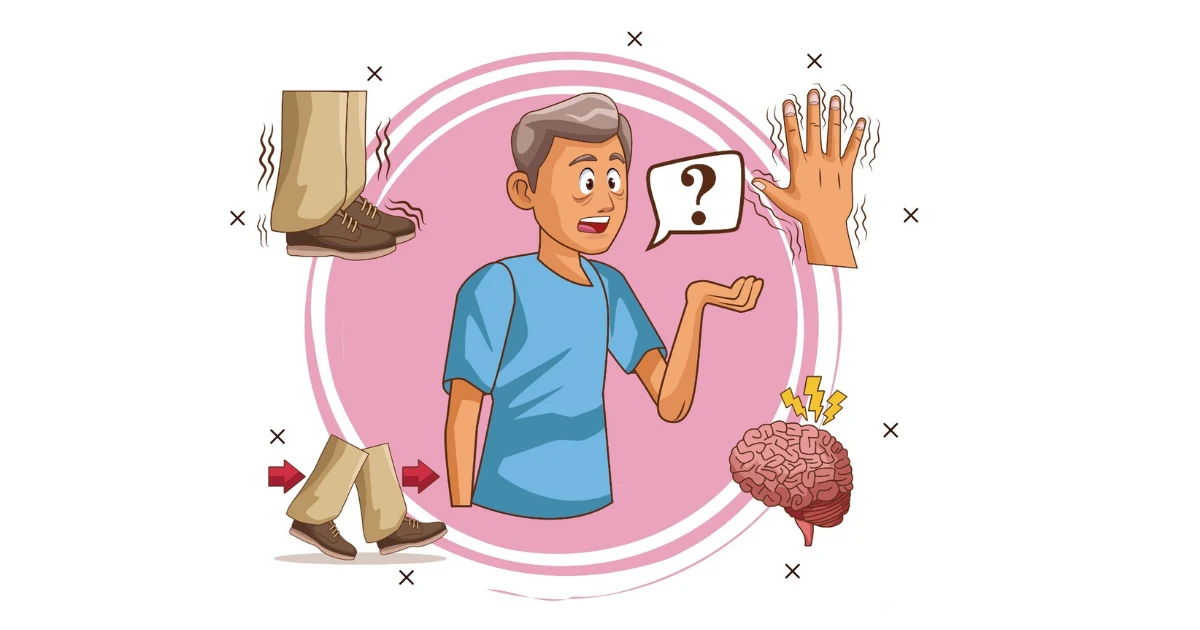
- Shaking (tremors): Caused by the brain struggling to control signals for movement.
- Stiffness: Muscles stay tense because the brain doesn’t send smooth commands.
- Slow movements (bradykinesia): Without dopamine, even simple tasks like buttoning a shirt take longer.
- Balance problems: Loss of dopamine affects posture and coordination.
This explains why two people with the same risk factors can experience Parkinson’s very differently.
Myths About Parkinson’s Causes
Because Parkinson’s is complex, there are many myths. Let’s clear a few:
- “Parkinson’s is contagious.” – False. It cannot spread from person to person.
- “Everyone with tremors has Parkinson’s.” – Not true. Tremors can also happen due to stress, medication, or other conditions.
- “Only old people get Parkinson’s.” – While it’s more common with age, young-onset Parkinson’s can affect people under 50.
Current Research on Parkinson’s Causes
Scientists are making progress in uncovering what leads to Parkinson’s. Some exciting areas of study include:
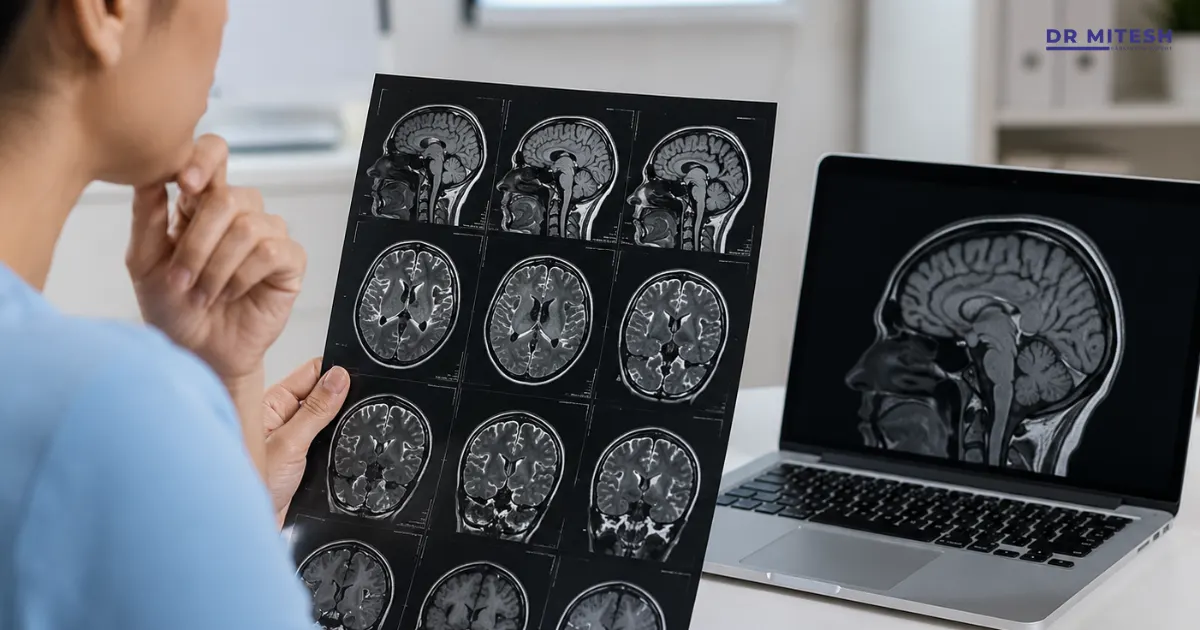
- Brain imaging: New scans show early changes before symptoms begin.
- Protein clumping: Misfolded proteins called alpha-synuclein may play a major role in damaging brain cells.
- Gut-brain connection: Some research suggests Parkinson’s may start in the gut before affecting the brain.
- Inflammation: Chronic inflammation in the brain could contribute to nerve cell loss.
These studies may eventually help answer the question: Why does Parkinson’s happen?
Living With Risk: What Families Should Know
Even though we don’t know the exact cause, families can take steps to support brain health and lower risks where possible:
- Stay active: Regular exercise like walking, swimming, or dancing supports healthy brain function.
- Eat well: A diet rich in vegetables, fruits, and whole grains helps overall health.
- Protect the brain: Avoid unnecessary head injuries, always wear helmets in sports.
- Limit toxin exposure: Be cautious around harmful chemicals and follow safety guidelines.
- Regular check-ups: Early detection means better management.
Common Questions Families Ask
- Q: Can stress cause Parkinson’s?
No, stress does not cause it. But stress can make symptoms worse. - Q: Is Parkinson’s genetic in every case?
No. Only about 10-15% of cases are strongly inherited. - Q: Can young people get Parkinson’s?
Yes. Young-onset Parkinson’s is rare but possible, usually linked to genes. - Q: If I was exposed to pesticides, will I get Parkinson’s?
Not necessarily. Environmental risks raise chances but don’t guarantee the disease.
Key Takeaway
So, why does Parkinson’s happen? The simple answer is: we don’t fully know yet. It’s a mix of aging, genetics, and environmental factors, but not the same for everyone. What causes Parkinson’s symptoms in one person may be very different from another. While there is no single cause, ongoing research gives us hope. By understanding risk factors, staying healthy, and working closely with specialists, families can focus on living well today, while science works on better answers for tomorrow.
If you or your loved one is looking for expert guidance, consulting the Parkinson’s Specialist in Ahmedabad can make a big difference in managing symptoms and improving quality of life.
Authoritative References
- National Institute of Neurological Disorders and Strokes – Parkinson’s Disease: Challenges, Progress and Promise
- National Library of Medicine – Lifestyle Factors and Parkinson’s Disease
- Mayo Clinic – Parkinson’s Disease, Symptoms and Causes