Living with Parkinson’s disease can make everyday movements feel slower or more difficult. Activities like walking, turning, or maintaining balance may require extra effort. While medication plays an important role in treatment, movement and exercise are equally important in maintaining independence and quality of life.
Many patients wonder whether exercise really helps or if it might be too difficult to start. The encouraging news is that gentle and consistent movement can significantly support mobility, strength, and confidence.
Simple activities performed regularly can improve flexibility, balance, and coordination. These Parkinson’s simple exercises are designed to be safe, easy to practice, and suitable for daily routines. Even small efforts can create meaningful improvements over time.
According to the Parkinson’s Foundation, regular physical activity is one of the most effective ways to manage symptoms and maintain functional independence.
Why Exercise Is Important in Parkinson’s
Parkinson’s disease affects the brain areas that control movement. This can lead to stiffness, slower movements, tremors, and balance problems.
Regular physical activity helps the body stay active and responsive.
Benefits of exercise include:
- Improving mobility and flexibility
- Strengthening muscles that support posture
- Reducing stiffness and rigidity
- Improving balance and coordination
- Supporting mental health and mood
Doctors often encourage daily movement exercises for Parkinson’s because consistent activity helps the brain maintain better control over movement patterns.
Simple Exercises You Can Do at Home
Exercise does not always require a gym or special equipment. Many helpful movements can be done safely at home.
These Parkinson’s simple exercises at home are easy to practice and can be adapted according to comfort.
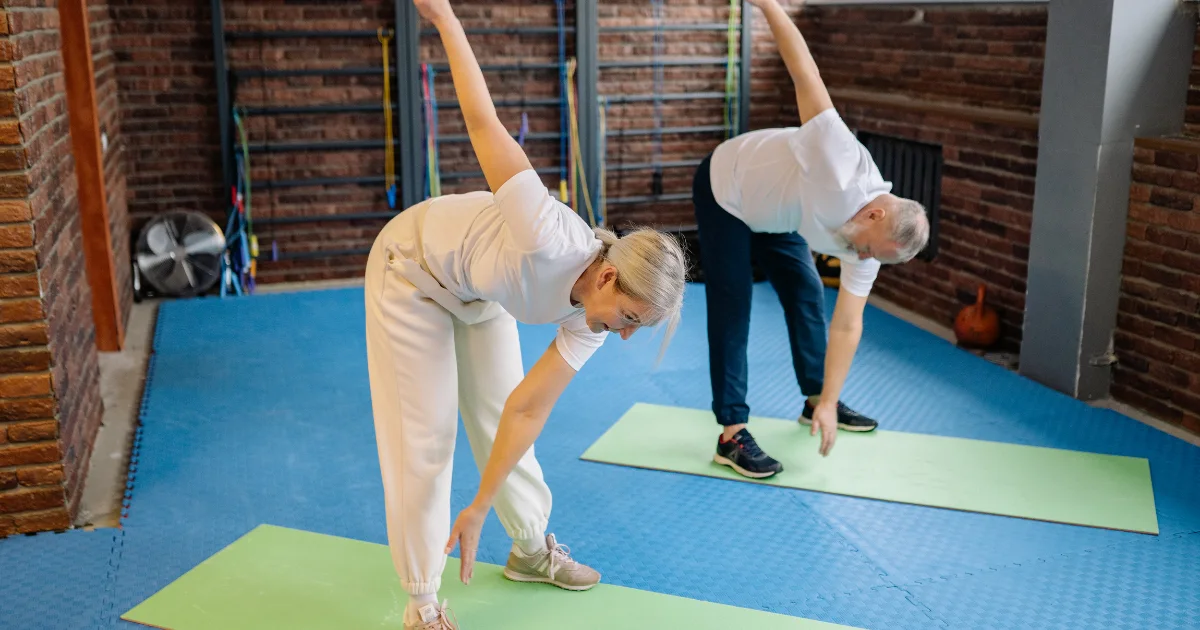
1. Stretching for Flexibility
Gentle stretching helps loosen stiff muscles and improves range of motion.
Try the following:
- Slowly stretch your arms above your head
- Roll your shoulders backward and forward
- Stretch the neck gently from side to side
- Extend your legs while sitting
Benefits include:
- Reduced muscle tightness
- Better posture
- Increased comfort during daily activities
Stretching is often recommended as the starting point for Parkinson’s simple exercises for mobility.
2. Walking for Movement and Endurance
Walking is one of the safest and most effective forms of exercise.
Regular walking helps:
- Improve stride length
- Strengthen leg muscles
- Maintain cardiovascular health
- Improve rhythm and coordination
Try to walk:
- 20–30 minutes daily if possible
- At a comfortable pace
- On flat and safe surfaces
If walking feels difficult, you may find helpful guidance in the blog Does Regular Walking or Exercise Really Help Parkinson’s?
3. Balance Exercises
Balance challenges are common in Parkinson’s. Practicing safe balance exercises can help prevent falls.
Examples include:
- Standing on one leg while holding a chair for support
- Walking slowly in a straight line
- Shifting weight from one foot to the other
- Practicing slow turns while standing
These are effective Parkinson’s exercises for balance and strength and can gradually improve stability.
4. Strength-Building Movements
Muscle strength plays a major role in maintaining independence.
Simple strengthening exercises include:
- Sitting and standing repeatedly from a chair
- Gentle wall push-ups
- Leg lifts while seated
- Light resistance band exercises
Strengthening muscles helps improve posture, walking ability, and overall confidence in movement.
Simple Exercises and Their Benefits
| Exercise Type | Main Benefit | Suggested Duration |
|---|---|---|
| Stretching | Improves flexibility | 5-10 minutes daily |
| Walking | Enhances endurance and mobility | 20-30 minutes |
| Balance practice | Reduces fall risk | 10 minutes |
| Strength exercises | Builds muscle support | 10-15 minutes |
Combining these movements creates a balanced routine for daily movement exercises for Parkinson’s.
How Exercise Improves Daily Life
Consistent physical activity can bring noticeable improvements over time.
Patients often report:
- Easier walking and movement
- Less stiffness in joints and muscles
- Improved confidence while walking
- Better mood and reduced stress
- More independence in daily activities
Research supported by the National Institute of Neurological Disorders and Stroke shows that exercise supports both physical and mental well-being in Parkinson’s patients.
Tips to Exercise Safely
Before starting any routine, it is important to follow safe practices.
Helpful tips include:
- Begin slowly and increase activity gradually
- Exercise during times when medication is working well
- Wear comfortable and supportive shoes
- Stay hydrated during physical activity
- Stop if you feel dizziness or unusual pain
Listening to your body helps prevent injuries and keeps exercise enjoyable.
When Professional Guidance Is Helpful
Some patients may benefit from supervised physiotherapy or specialized exercise programs.
Consult a doctor or physiotherapist if:
- Balance problems are severe
- Falls occur frequently
- Movement feels extremely slow or difficult
- Pain occurs during exercise
- Fatigue becomes overwhelming
A trained professional can design a personalized program that supports safe and effective movement.
Emotional Benefits of Staying Active
Exercise does more than improve physical health. It also supports emotional well-being.
Regular movement can:
- Reduce anxiety and stress
- Improve sleep quality
- Boost confidence and independence
- Encourage social interaction when done in groups
Many patients feel more positive and motivated when they maintain an active routine.
Conclusion
Parkinson’s disease may change the way the body moves, but staying active can make a meaningful difference. Simple and consistent physical activity helps maintain strength, mobility, and independence.
Practicing Parkinson’s simple exercises regularly does not require intense workouts. Gentle stretching, walking, balance practice, and strength-building movements can support the body and mind in powerful ways.
With the right routine, guidance from healthcare professionals, and encouragement from loved ones, many individuals living with Parkinson’s can stay active and continue enjoying daily life with confidence.
If you are unsure which exercises are suitable for your condition, consulting a Parkinson’s doctor can help you create a safe and personalized exercise routine. With the right guidance, support, and consistency, people living with Parkinson’s can stay active, confident, and engaged in their daily lives.
Authoritative References
Parkinson’s Foundation – Daily Movement Exercises for Parkinson’s