
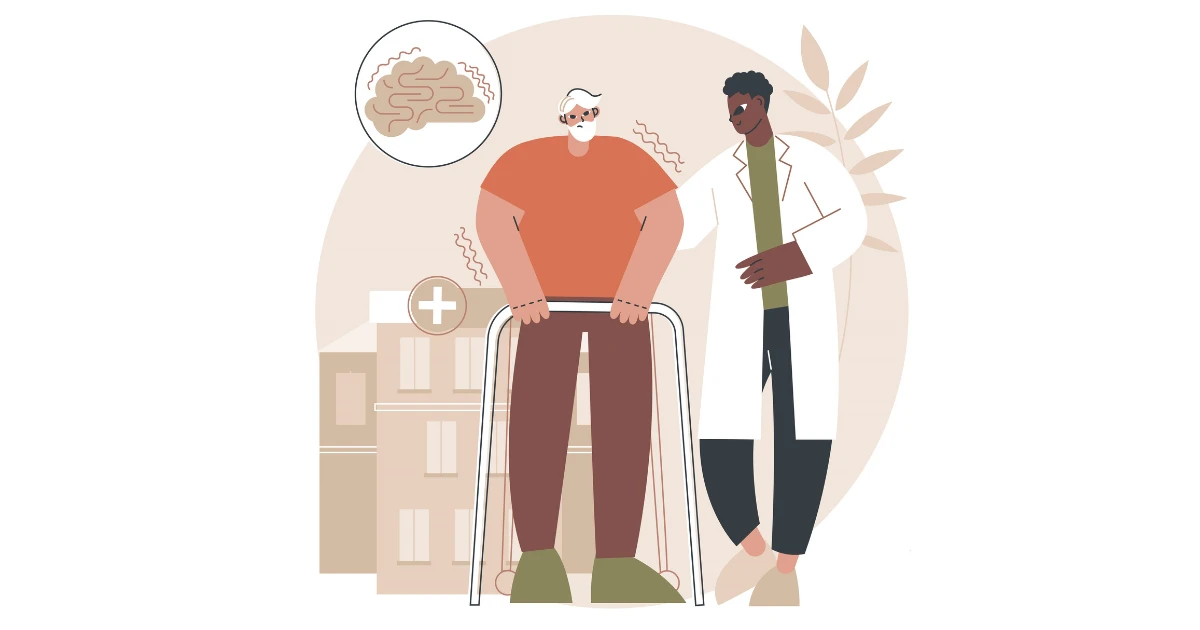
Many people live with shaky hands or trembling voices and wonder if it’s just nervousness or aging. But when the shaking gets worse and begins to affect daily life like holding a cup of tea, writing, or buttoning a shirt, it might be essential tremor (ET). The good news is that while there is no permanent cure, there are several effective treatment for essential tremor that help patients manage symptoms and live more independently. Let’s explore the most trusted options available today.
What is Essential Tremor?
Essential tremor is a neurological condition where certain parts of the body, most often the hands, head, or voice, shake uncontrollably. Unlike Parkinson’s disease, it usually doesn’t cause stiffness or slow movement, but the shaking itself can make everyday tasks difficult.
Doctors say ET tends to run in families, though not always, and it becomes more common with age. Understanding the right essential tremor medication options and therapies is the key to controlling these symptoms.
1. Medication: The First Line of Care
Medicines are usually the starting point for most patients. Doctors may suggest:
- Propranolol: A beta-blocker that reduces tremors, especially in the hands.
- Primidone: An anti-seizure medicine that can calm nerve activity and reduce shaking.
- Other medicines: Gabapentin or topiramate may also be tried if the first two don’t work well.
These essential tremor medication options are often effective, but not every patient responds the same way. Sometimes the doctor will adjust doses or try a combination.
2. Non-Surgical Therapies
When medicines alone don’t work, doctors often suggest supportive, non-invasive approaches. These include:
- Physical therapy: Special exercises that improve muscle control and coordination.
- Occupational therapy: Tricks and tools to make daily tasks easier, like using heavier utensils or pens.
- Speech therapy: Helpful for patients with voice tremors.
These non-surgical therapies for essential tremor can be especially useful for patients who cannot tolerate medications or want to avoid surgery.
3. Botox Injections
Most people think Botox is just for cosmetic use, but it can also help tremors. When injected into the affected muscles, Botox weakens them just enough to reduce shaking, especially in the hands, head, or voice.
- Works well for head and voice tremors.
- Usually lasts for 3-4 months, so repeat injections are needed.
- Side effects can include mild muscle weakness.
This option is considered an advanced treatment for essential tremor patients who haven’t responded to medicines.
4. Deep Brain Stimulation (DBS)
For patients with severe tremors that don’t improve with medicines or therapy, Deep Brain Stimulation is often the best choice.
- In DBS, a small device (like a pacemaker for the brain) is implanted.
- It sends mild electrical signals to the brain to control tremors.
- It can be adjusted over time to give the right amount of control.
DBS has helped thousands of patients regain independence and is one of the most trusted advanced treatment for essential tremor patients.
5. Focused Ultrasound Therapy
This is one of the newest treatments approved in recent years. It uses MRI-guided ultrasound waves to create tiny lesions in the brain area that causes tremors.
- It’s non-invasive, no cuts or stitches.
- Patients often see improvement in tremors immediately after the procedure.
- Available only in select hospitals right now.
While not everyone is eligible, it represents the future of managing shaking caused by essential tremor.
Lifestyle and Home Remedies
Along with medical care, small lifestyle changes can make daily life easier:
- Avoid caffeine, as it can worsen tremors.
- Practice relaxation techniques like yoga, meditation, or deep breathing.
- Use weighted utensils, pens, or wrist weights to steady movements.
- Get enough sleep, as fatigue often makes tremors worse.
Common Questions About Essential Tremor
Q. Is essential tremor the same as Parkinson’s disease?
No, ET mainly causes shaking, while Parkinson’s involves stiffness, slow movement, and balance issues.
Q. Can essential tremor get worse over time?
Yes, symptoms may slowly progress, especially with age, but treatments help manage it.
Q. Is surgery safe for tremor patients?
For carefully chosen patients, yes. Procedures like DBS have been proven safe and effective.
Final Thought
There isn’t a single “one-size-fits-all” treatment for essential tremor, but patients have many effective choices today. From medicines and therapies to advanced procedures like DBS and focused ultrasound, each option offers hope for a steadier, more independent life.
With the right Neurologist & movement disorder specialist, patients can find a care plan that fits their unique needs and helps them live confidently.
Authoritative Reference
- Mayo Clinic – Essential Tremor Medication
- Cleveland Clinics – Essential Tremor Overview
- Hopkins Medicine – Medication for Essential Tremor