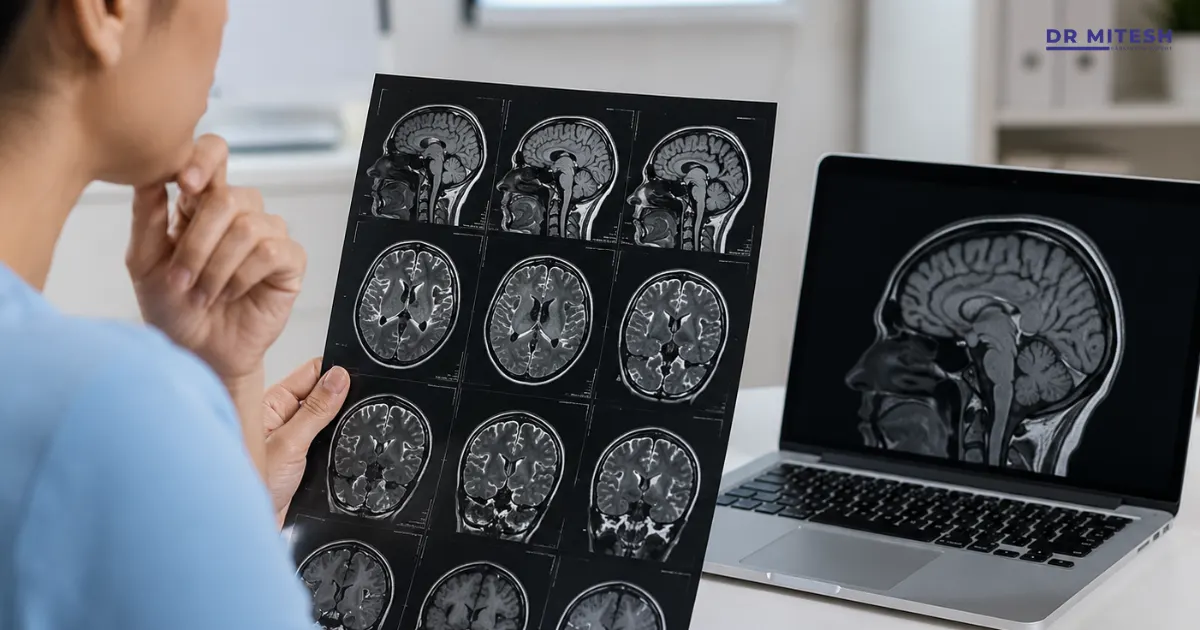
When someone first hears the words “You may have Parkinson’s or Movement disorder,” the first question that comes to mind is When should Parkinson’s treatment begin? The short answer is: the earlier, the better. Starting treatment early does not cure Parkinson’s, but it can slow down the progression of symptoms, protect independence, and improve quality of life.
In this blog, let’s explore why early care matters, what doctors recommend, and how families can make the best decisions at the right time.
Why Timing Matters in Parkinson’s Treatment
Parkinson’s is a progressive condition, which means symptoms gradually worsen over time. If treatment begins too late, many daily challenges like walking, writing, or speaking can become hard to manage. Early treatment helps because:
- It reduces symptoms before they become severe.
- It helps patients stay active and independent for longer.
- It lowers the emotional stress for families and caregivers.
- It gives doctors time to adjust medications and therapies to suit each patient.
If you are unsure about the first warning signs, check out our blog on Early Signs of Parkinson’s Disease.
Early Parkinson’s Treatment: What Does It Involve?
Early care doesn’t always mean strong medicines right away. It can include a mix of approaches tailored to each person’s needs:
- Medications: Doctors may start with small doses of Levodopa or dopamine agonists to ease tremors, stiffness, and slow movement.
- Lifestyle changes: Daily exercise, balanced diet, and better sleep habits help the brain and body function well.
- Therapies: Physical therapy, speech therapy, and occupational therapy can begin early to strengthen the body and preserve independence.
- Emotional support: Early counseling helps patients and families adjust to the diagnosis.
This approach ensures that patients don’t just manage symptoms, but also learn to live well with Parkinson’s.
Benefits of Early Parkinson’s Care
Starting care early has proven benefits. Here are some reasons why doctors stress the importance of early treatment:
- Slows progression of symptoms – Early use of medicines helps the brain maintain dopamine activity longer.
- Protects independence – Patients can continue working, driving, and socializing.
- Better long-term results – People who begin care early often need fewer hospital visits later.
- Improved mental health – Early treatment reduces anxiety and depression by giving patients a sense of control.
Read more about how women can handle Parkinson’s at early stages in our post Managing Early Signs of Parkinson’s in Women.
Importance of Early Parkinson’s Diagnosis
Before treatment can begin, doctors need to confirm the diagnosis. Early diagnosis is important because it allows timely treatment. But Parkinson’s can be tricky to detect at the beginning.
Doctors look for:
- Tremors in hands, fingers, or chin.
- Small handwriting or softer voice.
- Stiffness that doesn’t go away with stretching.
- Slower walking or difficulty with balance.
If these early symptoms are ignored, patients may lose valuable time when treatment would be most effective.
What Happens If Treatment Is Delayed?
Some families worry about starting medications too soon. However, delaying treatment has risks:
- Stronger symptoms develop that are harder to control.
- Loss of mobility and higher risk of falls.
- Cognitive issues like memory problems may appear earlier.
- Emotional stress increases for both patients and caregivers.
If symptoms progress, some patients may later benefit from advanced therapies like Deep Brain Stimulation (DBS), but this option is usually considered after medications stop working well.
Parkinson’s Treatment Options: A Closer Look
When Parkinson’s treatment begins, doctors may use different approaches depending on the stage and symptoms:
- Medications
- Levodopa + Carbidopa: The gold standard for motor symptoms.
- Dopamine agonists: Act like dopamine in the brain.
- MAO-B inhibitors: Slow the breakdown of dopamine.
- Therapies
- Physical therapy: Improves balance and strength.
- Speech therapy: Helps with voice and swallowing difficulties.
- Occupational therapy: Makes daily tasks easier.
- Surgery
- Deep Brain Stimulation (DBS): Helpful for tremors and stiffness when medications alone are not enough.
- Lifestyle care
- Regular exercise like yoga, tai chi, or dancing.
- A brain-friendly diet rich in fruits, vegetables, and omega-3s.
- Adequate rest and stress management.
Addressing Common Concerns About Early Treatment
- Q: Will starting medicine early make it stop working faster?
No. Medicines don’t “run out” faster if started early. Instead, they improve quality of life for longer. - Q: Can I delay treatment until symptoms get worse?
Doctors recommend early care because once symptoms are severe, it’s harder to manage them. - Q: Do all patients need surgery?
No. Surgery like DBS is only for selected patients with specific symptoms. - Q: Can therapies without medicine be enough in early stages?
Sometimes, but most patients benefit from a combination of both medicines and non-drug therapies.
Key Takeaway
So, how soon should Parkinson’s treatment begin? The answer is simple as early as possible. Early diagnosis and timely treatment help control symptoms, protect independence, and ensure a better quality of life.
Families don’t need to wait until the disease worsens. With the right mix of medicines, therapies, and lifestyle choices, patients can live active, meaningful lives. And as research continues, the future of Parkinson’s care looks even brighter.
Starting Parkinson’s treatment early makes a big difference. For the right guidance and personalized care, connect with a Parkinson’s Specialist in Ahmedabad near you today.
Authoritative References
- Parkinson’s Foundation – Treatment Options
- National Institute of Neurological Disorders and Stroke (NINDS) – Parkinson’s Disease Information
- Mayo Clinic – Parkinson’s Disease Treatment
- Michael J. Fox Foundation – Parkinson’s Research and Care