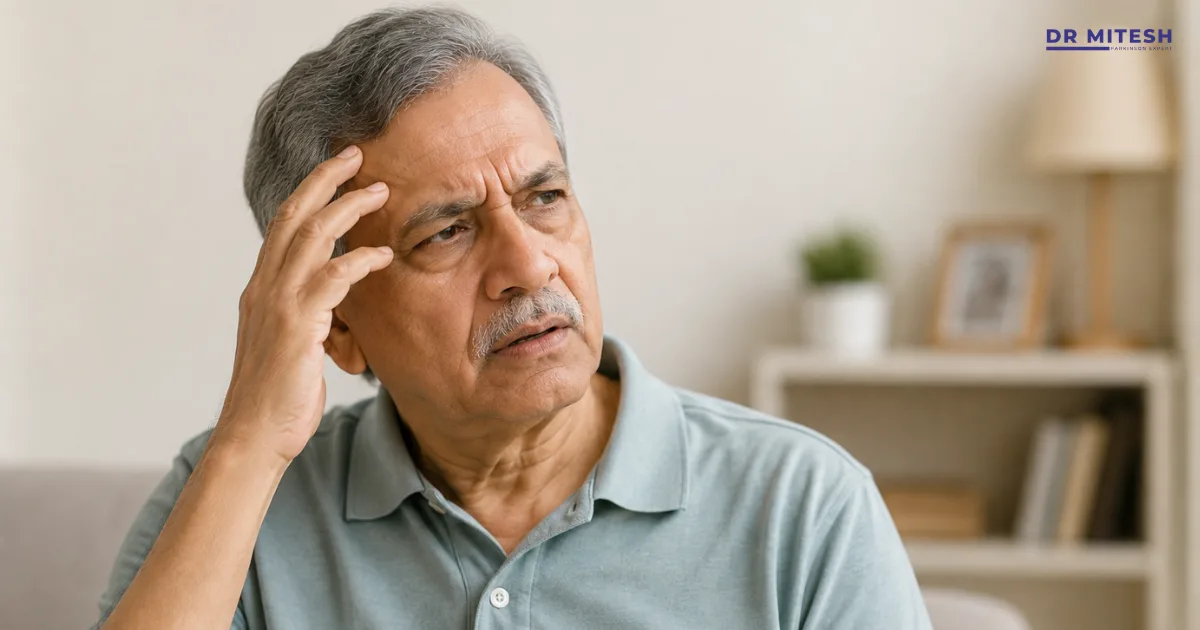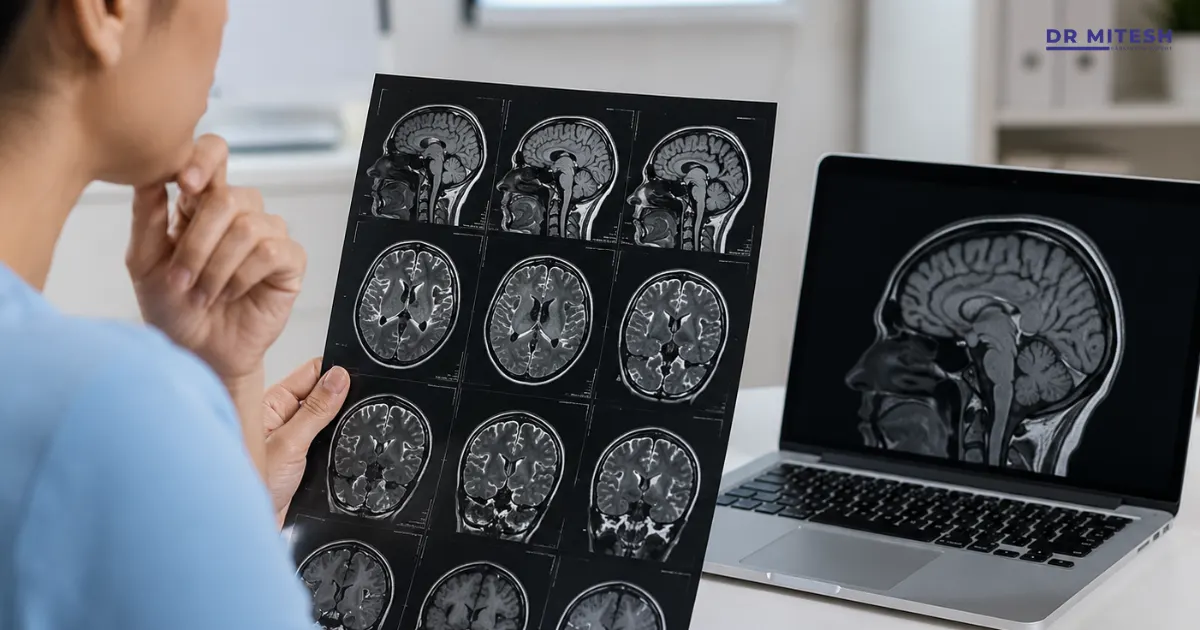
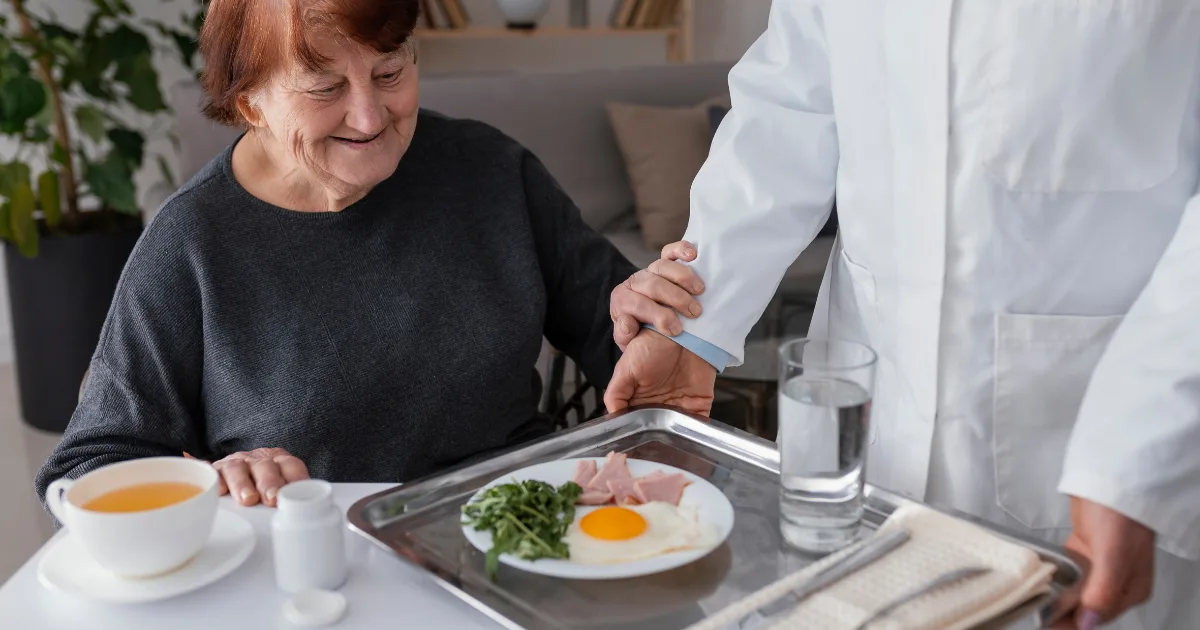
Many people think Parkinson’s care is only about medicines and doctor visits. But Parkinson disease management goes far beyond clinics. Lifestyle choices like healthy eating, daily movement, and emotional support can make a real difference. Patients and families who focus on non-medical care often find that they feel stronger, more independent, and more in control. Let’s explore how diet and exercise can help manage symptoms and improve quality of life.
What is Parkinson Disease Management?
Parkinson’s is a condition where brain cells stop making enough dopamine, a chemical that helps control smooth movement. This can cause:
- Tremors or shaking in hands and legs
- Stiff muscles and difficulty moving
- Trouble with balance and walking
- Non-motor issues like poor sleep, low mood, or memory changes
Medicines like Levodopa and therapies such as Deep Brain Stimulation play an important role. But Parkinson disease management also focuses on lifestyle. That’s where diet and exercise come in. They don’t replace medicine but work alongside it to improve daily living.
If you’re still wondering why early treatment matters, you may want to read our blog on How Soon Should Parkinson’s Treatment Begin? for more insights.
Diet for Parkinson’s Patients: Eating for Strength and Energy
Food is fuel for the brain and body. A smart diet can help Parkinson’s patients feel more energetic, reduce constipation, and even make medicines work better.
Here are some practical diet tips for Parkinson’s patients:
- High-Fiber Foods: Whole grains, oats, beans, fresh fruits, and vegetables prevent constipation, which is a common issue.
- Healthy Fats: Nuts, seeds, olive oil, and fish provide omega-3 fatty acids that may support brain health.
- Lean Proteins: Chicken, fish, lentils, and beans build muscle strength. But balance protein carefully, since too much at the wrong time can reduce Levodopa’s effect.
- Hydration: Drinking enough water prevents dehydration and helps with digestion.
- Antioxidants: Berries, leafy greens, and colorful vegetables fight stress on brain cells.
- Limit Processed Foods: Avoid too much sugar, fried food, or packaged snacks, as they increase fatigue.
Tip: Some doctors suggest taking Levodopa on an empty stomach or separating it from high-protein meals to improve absorption in Parkinson’s disease management. Always confirm with your neurologist before making changes.
For a deeper dive into causes and risks, you can check our blog Why Does Parkinson’s Happen?.
Exercise for Parkinson’s Disease: Moving Towards Better Health
Exercise isn’t just about fitness; it’s therapy for Parkinson’s disease. Studies show that regular physical activity improves strength, flexibility, and even mood.
Here are effective exercise options:
- Walking: A simple daily walk helps maintain mobility.
- Yoga and Stretching: Improves flexibility, reduces stiffness, and calms the mind.
- Tai Chi: This slow, controlled movement builds balance and prevents falls.
- Strength Training: Light weights or resistance bands improve muscle strength.
- Dance and Music Therapy: Rhythmic movements help coordination and boost happiness.
- Aerobic Exercises: Cycling, swimming, or low-impact aerobics increase stamina.
Tip: Start slow and choose activities you enjoy. Consistency is more important than intensity in Parkinson disease management. A physiotherapist can also guide with personalized routines.
Parkinson’s Lifestyle Changes: Daily Habits That Make a Difference
Beyond food and exercise, small changes in daily routines can have a big impact in Parkinson disease management.
- Sleep Hygiene: Going to bed at the same time, reducing screen time, and keeping the bedroom quiet helps with better rest.
- Stress Management: Meditation, deep breathing, or prayer reduces anxiety.
- Routine Planning: Spreading tasks across the day avoids fatigue.
- Home Safety: Installing grab bars, using non-slip mats, and keeping pathways clear prevents falls.
- Social Connection: Staying connected with family, friends, or support groups improves mental well-being.
These simple lifestyle changes are part of non-medical Parkinson’s care that makes everyday life easier and more joyful.
Non-Medical Parkinson’s Care: Why It Matters
Non-medical Parkinson’s care doesn’t replace medicines, it complements them. Here’s why it’s important:
- Improves Medicine Effectiveness: Right diet ensures medicines work better.
- Slows Symptom Progression: Regular exercise keeps the body active.
- Reduces Stress: A calm mind helps the body respond to treatment.
- Empowers Patients: Healthy habits give a sense of control.
- Supports Caregivers: Clear lifestyle strategies make caregiving easier.
Common Questions People Ask
- Can diet slow down Parkinson’s?
Not directly, but a healthy diet helps medicines work better and keeps the body strong. - Is exercise safe for Parkinson’s patients?
Yes! With the right guidance, exercise is not only safe but one of the best therapies. - Do lifestyle changes replace medicine?
No, they support medical care. Always follow your doctor’s treatment plan. - What is the role of caregivers?
Caregivers ensure patients stick to their routines, stay safe, and feel emotionally supported.
Key Message
Parkinson disease management is not just about prescriptions, it’s about empowering patients to live well every day. A balanced diet, daily exercise, and lifestyle adjustments help reduce symptoms, support medication, and bring hope. By combining medical and non-medical care, families can give their loved ones the best chance at living an active and meaningful life.
👉 For personalized guidance and holistic care, consider consulting the Parkinson’s Specialist in Ahmedabad today.
External Resources for Patients and Families
- Johns Hopkins Medicine – Non medical Parkinson care
- Parkinson’s Foundation – Activities of Daily Living
- Yale Medicine – Exercise and Parkinson’s disease management