
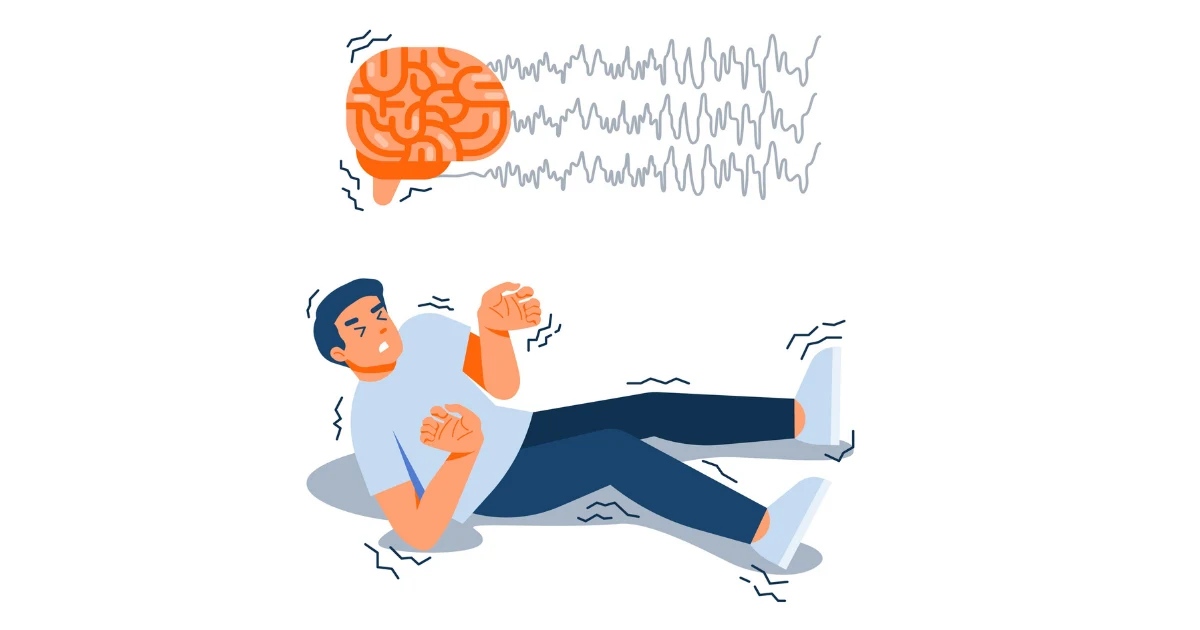
Living with dystonia can be challenging, not only because of the physical symptoms but also due to the emotional toll it takes. Many patients notice that stressful days or periods of fatigue often make their dystonia symptoms flare up. This is not a coincidence. Research and patient experiences both show that emotional and physical stress can worsen dystonia, leading to more frequent spasms, increased discomfort, and reduced quality of life.
In this blog, we’ll explore how stress impacts dystonia, why fatigue plays a big role, and what patients can do to manage these triggers more effectively.
Understanding the Link Between Stress and Dystonia
While dystonia is primarily a neurological condition, external factors like stress can intensify its symptoms.
- Emotional stress, such as anxiety, worry, or anger, can increase muscle tension, making spasms more frequent.
- Physical stress, such as overexertion, illness, or lack of rest, can drain the body’s energy, leaving it less able to control movements.
- Together, these factors create a cycle where stress worsens dystonia, and worsening symptoms add to stress.
Stress and Dystonia Symptoms: What Patients Commonly Report
Patients often describe a clear connection between stressful situations and symptom flare-ups. Here are some common ways stress manifests:
- Increased muscle spasms: Stress hormones like cortisol and adrenaline can tighten muscles, aggravating dystonia symptoms.
- Pain amplification: Stress lowers the body’s pain tolerance, making existing discomfort feel more intense.
- Speech and movement difficulties: Emotional tension can worsen speech issues in dystonia and cause jerky or uncontrolled movements.
- Reduced daily functioning: Simple tasks like writing, walking, or speaking may become harder under stress.
The Fatigue Impact on Dystonia
Fatigue is another significant trigger that patients cannot overlook. When the body is tired, it struggles to regulate neurological signals effectively.
- Sleep deprivation often increases daytime spasms and tremors.
- Overexertion from long working hours or heavy exercise can deplete energy reserves needed to control muscle contractions.
- Mental fatigue from constant concentration or multitasking can also worsen dystonia.
Tips to manage fatigue:
- Prioritize consistent sleep routines.
- Take short breaks during physically demanding activities.
- Balance activity with rest to avoid exhaustion.
Dystonia Triggers and Flare-Ups
Apart from stress and fatigue, several lifestyle and environmental triggers may worsen dystonia. Knowing these helps patients prepare better.
- Sudden temperature changes: Cold weather may stiffen muscles, while extreme heat increases fatigue.
- Caffeine and alcohol: Both can interfere with sleep, leading to tiredness and increased spasms.
- Infections or illness: Being unwell physically weakens the body, often worsening neurological symptoms.
- Emotional upsets: Conflicts or worrying news can cause immediate spikes in spasms.
Patient Tip: Keeping a diary of daily triggers and flare-ups helps patients and doctors create more personalized care plans.
Managing Stress in Dystonia Patients
While patients cannot completely eliminate stress, they can build strategies to manage it effectively.
- Relaxation techniques: Practices like deep breathing, yoga, and meditation calm the nervous system.
- Gentle physical activity: Walking, stretching, or light exercise helps release muscle tension.
- Professional support: Psychologists and counselors can provide coping mechanisms for emotional stress.
- Support groups: Sharing experiences with other dystonia patients reduces isolation and provides encouragement.
- Balanced lifestyle: A healthy diet, proper hydration, and routine sleep patterns support the nervous system.
Medical Support and Next Steps
If stress and fatigue are making dystonia worse, patients should not delay seeking medical help. A Neurologist can suggest therapies such as:
- Botulinum toxin (Botox) injections for reducing muscle spasms.
- Medications to manage symptoms and improve quality of life.
- Physiotherapy to strengthen muscles and reduce discomfort.
- Holistic care plans that combine medical, physical, and emotional support.
Final Thoughts
Dystonia is more than just a movement disorder, it’s a condition deeply influenced by lifestyle, emotions, and overall health. By recognizing how emotional and physical stress worsen dystonia, patients can take proactive steps to manage their symptoms better. From practicing stress management to working with doctors on treatment plans, early action helps maintain independence and improve quality of life.
For personalized care, connect with a Movement Disorder Specialist or the Best Parkinson’s Doctor near you to manage symptoms effectively.
Authoritative References
- Dystonia Recovery Program – Stress and Dystonia Connection
- National Library of Medicine – Fatigue Impact on Dystonia
- Dystonia Medical Research Foundation – Managing Stress in Dystonia