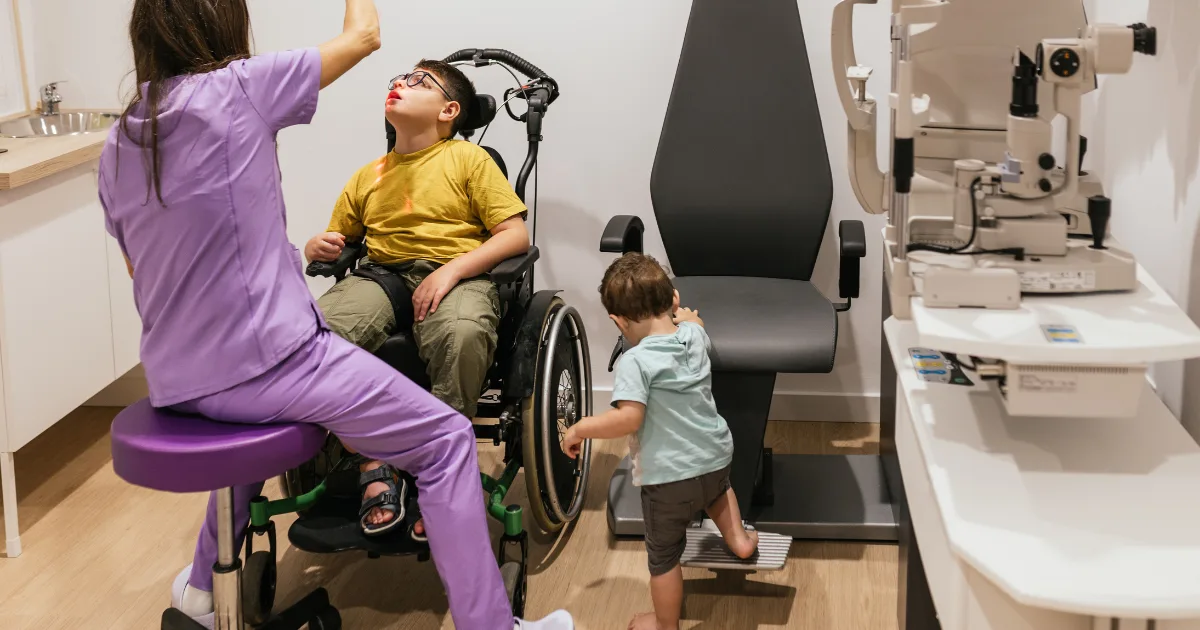
When the primary goal of therapy is not to cure but to manage, the focus shifts. Instead of promising a “fix,” the care becomes about maximizing mobility, reducing fall risk, improving vision/eye issues, supporting speech/swallowing, and preserving daily function for as long as possible. With PSP the key is early recognition, multidisciplinary approach, and realism about expectations. The good news: many people do get better symptom control than they expect and preparing for what’s ahead helps.
Why Standard Parkinson’s Treatments Often Don’t Work as Well in PSP
Before diving into symptom management, it’s helpful to understand why PSP therapies differ from classic Parkinson’s Disease treatments.
- PSP involves degeneration in multiple brain regions and accumulation of abnormal tau protein not just dopamine loss.
- Many Parkinson’s medications (e.g., levodopa) produce only modest or short-lived benefit in PSP; research shows the effect is limited.
- Because of this, the strategy shifts from “restore what is lost” to “make the best of what remains, protect what’s left” hence the emphasis on therapy and rehabilitation.
Learn More About PSP vs Parkinson’s: Understanding the Key Differences
Main Approach: Symptom-Focused Management for PSP
What this means in practice
- Movement & gait support: Physical and occupational therapy aim to preserve mobility, reduce risk of falls, maintain posture and flexibility.
- Eye/vision issues: Because PSP frequently causes problems with vertical gaze and eye movement, special glasses, prism lenses, and assistive devices are used.
- Speech and swallowing care: Speech-language pathologists help with safe swallowing, communication and reducing choking risk.
- Balance/fall prevention: Weighted walkers, gait trainers, home modifications and adaptive devices.
- Support for non-motor symptoms: Mood changes, sleep problems, cognitive decline all should be evaluated and treated in a comprehensive plan.
Therapy and Rehabilitation
- Physical therapy should begin early (even at first signs of imbalance) and focus on strength, flexibility, posture, and safe transfers.
- Occupational therapy helps with daily tasks, adaptive equipment, modifications for safer living spaces.
- Vision/oculomotor rehabilitation helps with gaze problems, reading, mobility through vision-support devices.
- Speech therapy addresses dysarthria (slurred speech), dysphagia (swallowing difficulty), and communication training.
- Nutritional support and dietician input may be needed when weight loss, swallowing difficulty or reduced intake occur.
Core Symptom-Management Components
| Area | Typical Focus | Why It Matters |
|---|---|---|
| Movement/Walking | Exercise, gait training, walker use | Reduces falls, preserves independence |
| Eye/Visual | Prism glasses, training, adaptive strategies | Improves safety, mobility, quality of life |
| Speech/Swallowing | Safe swallow programs, communication aids | Prevents choking, preserves social interaction |
| Environment/Equipment | Home safety modifications, walker, railings | Minimises injury risk, supports longer mobility |
| Emotion & Cognition | Mood screening, cognitive support, counselling | Ensures non-motor issues don’t undermine well-being |
Learn More About Follow-Up Care in Wilson’s Disease: Tracking Copper Levels and Progress
Medications & Other Interventions for PSP Patients
While there is no cure, medications and other specific interventions still play a key role in medications for PSP patients.
Medications
- Some patients may try levodopa (or similar Parkinson’s drugs) early though benefit is often limited and lasts a few years at most.
- Botox (botulinum toxin) injections may help very specific issues such as blepharospasm (involuntary eye-closing) or neck dystonia.
- Antidepressants or other psychotropic medications can be used to manage mood, sleep problems, irritability.
- Prism lenses and assistive devices (though not “medications” per se) are often prescribed to tackle vision/gaze issues.
Important considerations
- Because response is modest, it’s critical not to expect the same dramatic improvement seen in Parkinson’s; setting realistic expectations helps.
- Goal setting with your neurologist and therapy team should emphasize what you can maintain or improve, not just “what you’ve lost”.
- Regular review of medication side-effects is essential: e.g., dopaminergic drugs may cause confusion, hallucinations, low blood pressure; Botox may worsen swallowing.
- Ensure that all interventions are coordinated under a neurologist experienced in movement disorders and a multidisciplinary team.
Learn More About From Balance Issues to Brain Health: What Frequent Falling Means
Planning for the Future: What Patients & Caregivers Should Know
Because PSP progresses differently from typical Parkinson’s, planning becomes especially important.
Setting up a care-plan
- Early involvement of physical, occupational, speech therapists and vision specialists.
- Home safety audit: railings, no rugs, weighted walker, fall-warning system.
- Speech/swallowing check-up as soon as any choking or cough is noticed.
- Vision assessment with neurologist/neuro-ophthalmologist for gaze problems.
- Regular check-ins with neurologist to review progression, therapy benefit and update plan.
- Psychological support for patients & caregivers: dealing with progression, changes in independence, mood shifts.
Realistic goals
- Maintain mobility as long as possible
- Reduce falls and injuries
- Preserve communication and swallowing function
- Support emotional and cognitive health
- Ensure quality of life in relationships, activity and dignity
Why timing matters
- Intervening at first signs (balance changes, eye-movement issues) yields better retention of function. Delays reduce window for maximal benefit.
- A well-organized team early offers support that keeps progression from overwhelming the person and caregivers too rapidly.
Learn More About Common Myths About Parkinson’s Disease Busted
Addressing Common Questions & Patient Concerns
Q: “Is there any hope of a cure for PSP?”
A: At present, no treatment has been shown to stop or reverse the disease. However, that does not mean nothing can be done. Symptom-management and rehabilitation meaningfully improve quality of life.
Q: “Should we just give up on medication since the effect is limited?”
A: Not at all. While benefit may be modest, every patient responds differently. A trial of levodopa, for example, might show some improvement; even small gains in mobility, balance or reducing falls are valuable.
Also, medication helps create a foundation for therapy and function then rehabilitation maximises that foundation.
Q: “When should we involve physical therapy and other therapists?”
A: The sooner the better. At the first sign of balance change, eye-movement issue, gait abnormality or swallowing difficulty invite therapy. Early therapy leads to BETTER outcomes than when started late.
Q: “What happens if I start falling often or experience swallowing problems?”
A: These are warning signs. You should ask your neurologist about referral to physical/occupational therapy, home safety review, and speech/swallowing evaluation. Fall risk and aspiration are major contributors to complications in PSP.
Therapy & Rehabilitation in Detail
Gait / Balance / Mobility
- Weighted walkers (especially front-weighted) help prevent backward falls.
- Legs/hip strengthening, posture training, trunk flexibility.
- Use of gait-training devices, stepping strategies, and environmental modifications.
- Avoid quick turns, slippery surfaces, low light and install grab bars/rails.
Eye / Gaze / Vision
- Prism glasses help with the downward gaze problem.
- Eye-movement training, visual cues for walking.
- Work with neuro-ophthalmology to detect blepharospasm, eyelid apraxia; Botox or devices may apply.
Speech / Swallow
- Early speech-path involvement when speech becomes softer or swallowing becomes slower.
- Safety modifications: sitting upright to eat, swallowing strategies, thickened fluids if advised.
- Communication aids when speech becomes more effortful.
Environment / Assistive Devices
- Home audit by occupational therapy: remove rugs, install rails, improve lighting, create easy-flow living spaces.
- Consider scooter/wheelchair before mobility becomes severely limited better early than late.
- Fall prevention equipment and strategies: alarm system, caregiver alert, regular check-in.
Emotional & Cognitive Support
- Because PSP often affects cognition and mood earlier than Parkinson’s, it’s vital to engage psychology/psychiatry.
- Support groups, caregiver counselling, realistic discussions about progression, and planning for future needs.
Learn More About Caffeine and Parkinson’s: Risk or Relief?
When to Revisit or Change Treatment Strategy
- If mobility declines quickly despite current therapy, revisit your neurologist to assess whether therapy needs intensification or change of focus.
- If vision/gaze issues worsen, refer to neuro-ophthalmology or consider assistive aid upgrade.
- If swallowing issues or repeated falls occur, urgent rehab and home-modification review are needed.
- If medication side-effects emerge (confusion, hallucinations), they may need adjustment or discontinuation.
- When goals shift (for example, from independence to safety), your care plan should adjust accordingly.
Conclusion
Living with Progressive Supranuclear Palsy (PSP) can be overwhelming, especially when patients and families first learn that there is no definitive cure. But “no cure” does not mean “no care.” With the right combination of medical guidance, therapy, and ongoing support, life with PSP can still hold comfort, dignity, and quality.
Effective PSP treatment focuses on improving balance, speech, vision, and daily independence through a team-based approach. Regular follow-ups with a movement disorder specialist, physical and occupational therapy, speech therapy, and proper medication management can make a remarkable difference in slowing functional decline. What truly helps patients live better is consistency staying active, preventing falls, and addressing non-motor symptoms like mood and sleep problems early on.
Families play an equally important role. Understanding PSP and PSP Treatment, making the home environment safer, and seeking emotional and social support can transform how both the patient and caregiver experience this journey. With compassionate, multidisciplinary care and regular neurologist supervision, the progression of PSP can be managed with resilience and hope.
If you or your loved one is navigating PSP, consulting the best neurologist in Ahmedabad can ensure you receive expert guidance tailored to your needs from symptom management to long-term care planning. With expert attention and continuous support, living well with PSP is not just possible, it’s a shared journey toward stability and strength.
Authoritative References
- Mayo Clinic – PSP Treatment
- National Institute of Neurological Disorders & Strokes – PSP Treatment
- NHS UK – PSP Treatment
- PSP Organization – PSP Treatment
- PSP Association – PSP Treatment
- Stanford Medication – PSP Treatment