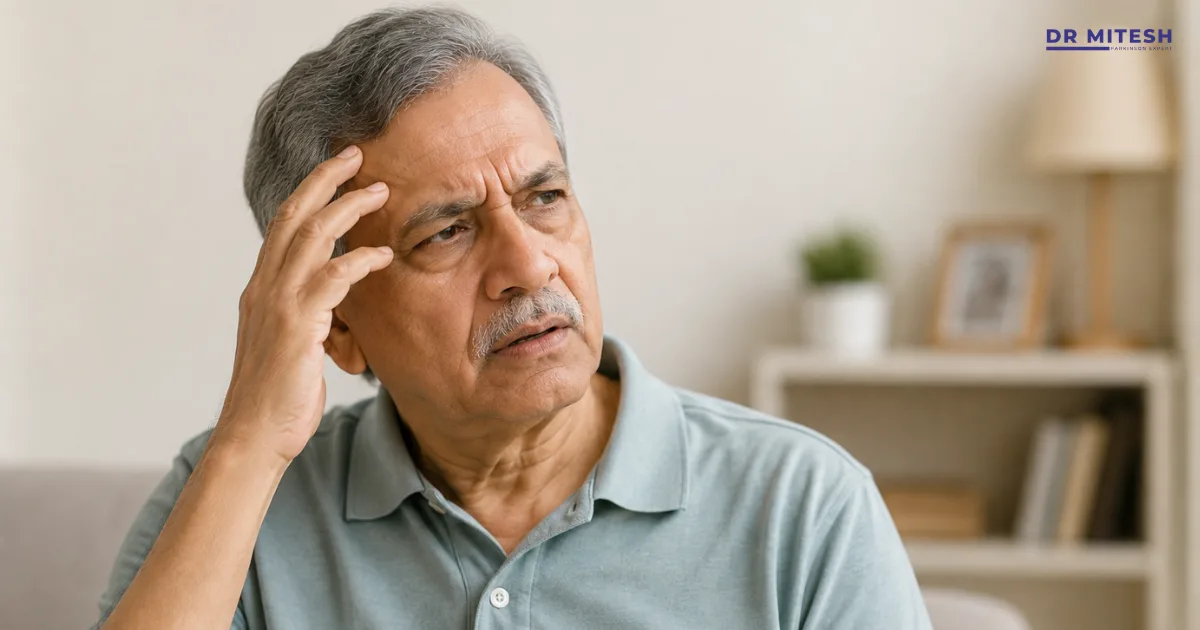
When someone is diagnosed with Parkinson’s disease, one of the first lifestyle questions they ask is:
“Will walking or exercise really make a difference?”
The short answer is yes, movement matters.
Research from major neurological organizations consistently shows that physical activity plays a key role in managing symptoms. While it does not cure Parkinson’s, it can significantly improve mobility, balance, and confidence.
Let’s understand how regular walking and structured exercise support better daily functioning.
Why Movement Is Important in Parkinson’s
Parkinson’s affects dopamine levels in the brain, which impacts movement control. Over time, people may experience:
- Slower movements
- Muscle stiffness
- Reduced arm swing
- Balance issues
- Fatigue
Exercise works by stimulating brain circuits and improving muscle coordination. Many experts describe Exercise and Parkinson’s management as an essential part of treatment alongside medication.
According to organizations like the Parkinson’s Foundation and the National Institute of Neurological Disorders and Stroke (NINDS), consistent physical activity can slow functional decline and improve quality of life.
How Regular Walking Benefits in Parkinson’s
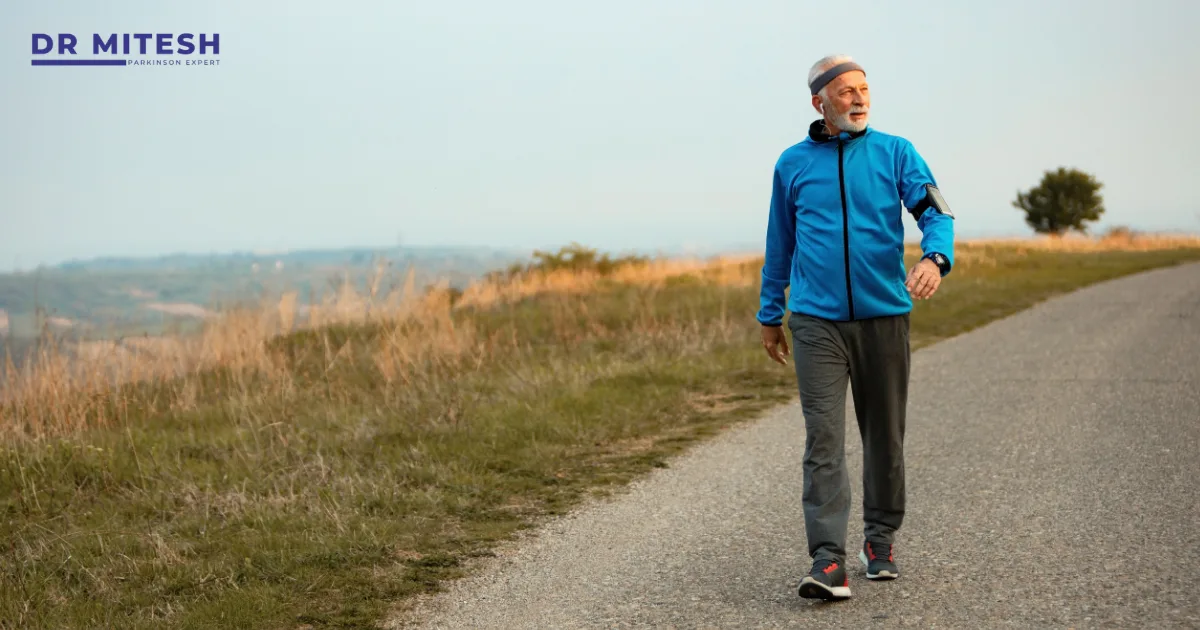
Walking is one of the simplest and safest forms of exercise. It does not require expensive equipment and can be adapted to individual ability levels.
Regular walking benefits in Parkinson’s include:
- Improved stride length
- Better posture
- Increased arm swing
- Reduced stiffness
- Enhanced cardiovascular health
In early stages, walking helps maintain independence. In later stages, guided walking programs support safer mobility.
Regular Walking and Mobility Improvement
One of the most noticeable challenges in Parkinson’s is reduced mobility. Walking practice helps retrain movement patterns.
Regular walking and mobility improvement are linked because it:
- Encourages longer, more deliberate steps
- Improves rhythm and coordination
- Strengthens leg muscles
- Reduces freezing episodes
- Builds endurance
Some patients benefit from rhythmic cues like counting steps or listening to music while walking.
If walking has become difficult, you may find it helpful to read: Which Daily Activity Feels Most Difficult with Parkinson’s? to better understand how mobility fits into overall daily functioning.
Does Walking Improve Balance?
Balance problems increase fall risk. Regular movement improves:
- Core strength
- Reaction time
- Stability
- Confidence
However, if falls are frequent, supervised physiotherapy is recommended before starting independent walking routines.
What About Other Forms of Exercise?
While walking is beneficial, other exercises also support symptom control.
Exercise and Parkinson’s management may include:
- Stretching for flexibility
- Strength training for muscle power
- Yoga for balance and posture
- Cycling for coordination
- Dance therapy for rhythm and confidence
Studies show that combining aerobic and strength training gives better results than doing only one type.
Walking vs Other Exercises in Parkinson’s
| Activity | Main Benefit | Suitable For |
|---|---|---|
| Walking | Endurance & posture | All stages |
| Strength training | Muscle power | Mild to moderate |
| Yoga | Flexibility & balance | Early stages |
| Cycling | Coordination | Supervised settings |
| Dance | Rhythm & mood | Group sessions |
This table helps patients compare options easily.
How Often Should You Walk?
Experts generally suggest:
- 20-30 minutes per session
- At least 4-5 days per week
- Moderate pace (slightly breathless but able to talk)
However, intensity should always be tailored to the individual.
If medication timing affects your ability to walk comfortably, consider reading: Why Do Parkinson’s Symptoms Feel Different in the Morning and Evening?
since exercise is often best scheduled during “ON” periods.
Can Exercise Reduce Tremors?
Exercise does not directly eliminate tremors, but it can:
- Improve muscle control
- Enhance coordination
- Reduce stress (which worsens tremor)
- Improve overall movement smoothness
Over time, better muscle conditioning supports improved daily function.
Is It Safe to Start Walking After Diagnosis?
In most cases, yes but precautions matter.
Before starting:
- Consult your neurologist
- Check balance stability
- Wear supportive footwear
- Avoid uneven surfaces initially
- Start slowly
If you have recently undergone advanced treatments, discuss activity planning with your doctor.
Emotional Benefits of Regular Walking for Movement Control
Beyond physical improvement, regular walking for movement control also:
- Reduces anxiety
- Improves mood
- Enhances sleep quality
- Builds confidence
- Encourages social interaction
Many patients say that walking restores a sense of normalcy.
When Should You Seek Professional Guidance?
Consult your neurologist if:
- Walking feels unsafe
- Freezing episodes increase
- Falls occur
- Fatigue becomes severe
- Pain develops during exercise
A structured physiotherapy program may be more beneficial in such cases.
Conclusion
Regular walking is not just a simple habit, it is a powerful tool in managing Parkinson’s disease. While it does not replace medication, it enhances mobility, balance, and overall well-being.
When combined with structured exercise and proper medical care, movement becomes a form of therapy. Starting early, staying consistent, and adapting to your ability level can make a meaningful difference in independence and confidence.
In Parkinson’s care, small steps taken consistently can lead to lasting improvements in quality of life.
Authoritative References
- Parkinson’s Foundation – Exercise and Parkinson’s Management