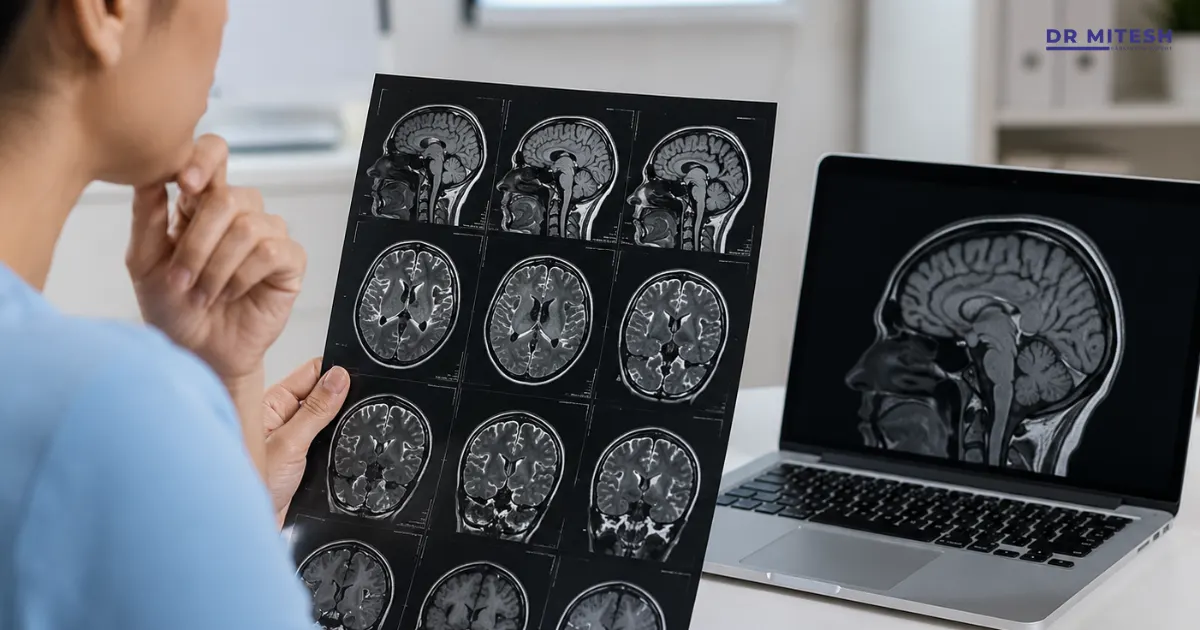
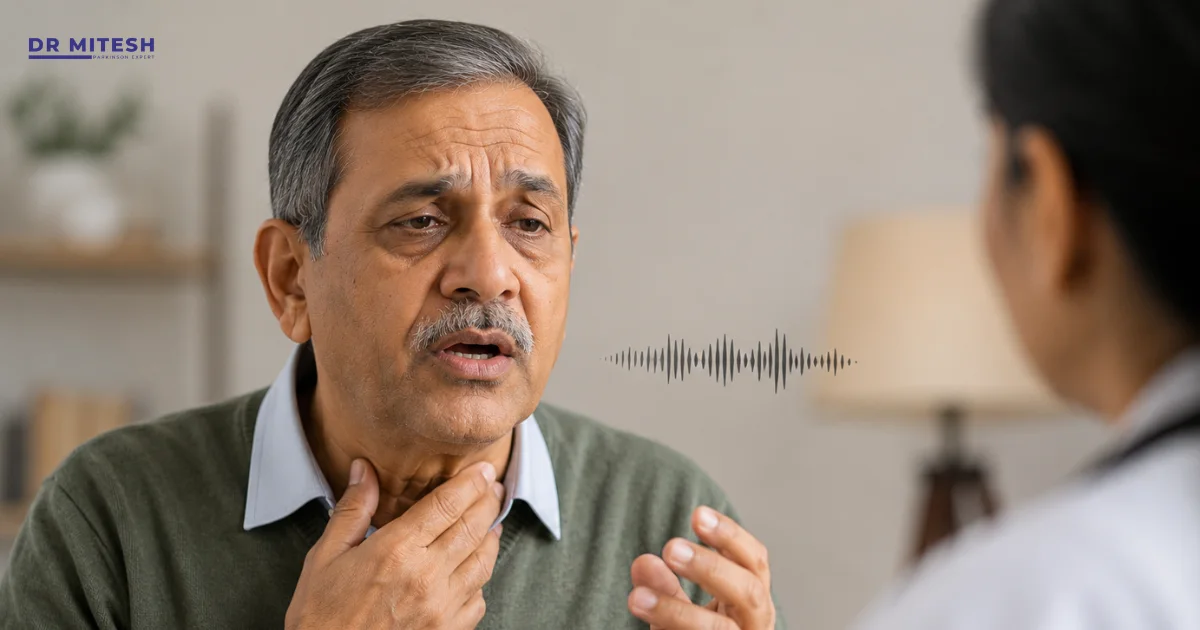
Speaking is something most people take for granted until the voice begins to shake unexpectedly. For some individuals, simple conversations become frustrating because their voice sounds shaky, unsteady, or strained. This condition is commonly known as voice tremor, a neurological problem that affects the muscles involved in speech production.
Although voice tremor is not always dangerous, it can significantly impact communication, confidence, social interaction, and quality of life. Many people feel embarrassed while speaking in public or talking on the phone, often avoiding conversations altogether because of fear or frustration.
The good news is that voice tremor can often be evaluated, managed, and treated with the right medical guidance. Understanding its causes, symptoms, and available treatment options can help patients seek timely care and improve daily communication.
What Is Voice Tremor?
Voice tremor is a neurological condition in which the muscles responsible for speech move rhythmically and involuntarily, causing the voice to sound shaky or trembling.
The tremor may affect:
- The vocal cords
- Throat muscles
- Tongue
- Jaw
- Soft palate
As a result, the voice may sound:
- Wobbly
- Quivering
- Unsteady
- Shaky
- Strained
Some people notice symptoms only occasionally, while others experience persistent voice changes that interfere with communication.
How Does Voice Tremor Sound?
People with voice tremor often describe their speech as:
- “Shaky while talking”
- “Voice cracking during conversations”
- “A trembling sound while speaking”
- “Difficulty controlling the voice”
The tremor may become more noticeable during:
- Long conversations
- Stressful situations
- Public speaking
- Emotional moments
- Fatigue
In mild cases, others may barely notice the problem. In more severe cases, speech clarity may become difficult.
Common Causes of Voice Tremor
Voice tremor is usually related to neurological conditions affecting muscle control.
One of the most common associations is Essential Tremor, a condition that causes rhythmic shaking in different body parts, especially the hands.
However, voice tremor can also occur with other neurological disorders.
Possible Causes Include:
- Essential Tremor
- Parkinson’s disease
- Dystonia
- Neurological movement disorders
- Age-related neurological changes
- Rare hereditary conditions
Sometimes, the tremor occurs only in the voice without affecting other body parts.
Is Voice Tremor the Same as Vocal Cord Problems?
Not always.
Many people assume a shaky voice is caused by throat infection, vocal strain, or aging alone. However, voice tremor is different because it usually originates from abnormal neurological control of the muscles involved in speech.
This is why patients may continue experiencing symptoms even when:
- The throat appears normal
- There is no infection
- Voice rest does not help
Proper evaluation is important because treatment depends on identifying the underlying cause.
Symptoms That May Suggest Voice Tremor
Symptoms can vary from person to person.
Common Signs Include:
- Shaking or quivering voice
- Voice becoming unstable during speech
- Difficulty maintaining steady tone
- Interrupted speech rhythm
- Tremor worsening during stress
- Vocal fatigue after talking
Some patients may also have:
- Hand tremors
- Head tremors
- Jaw tremors
- Difficulty with fine motor movements
These associated symptoms often help doctors identify the underlying neurological condition.
Difference Between Voice Tremor and Parkinson’s Voice Changes
Although Parkinson’s disease can affect speech, Parkinson’s-related voice changes are not always the same as voice tremor.
Comparison Table
| Feature | Voice Tremor | Parkinson’s Voice Changes |
|---|---|---|
| Voice quality | Shaky or trembling | Soft and monotonous |
| Rhythm | Irregular oscillation | Reduced loudness |
| Tremor during speech | Common | Less prominent |
| Associated symptoms | Essential tremor, head tremor | Slowness, stiffness, gait changes |
This distinction helps neurologist and speech specialist determine the correct diagnosis.
How Doctors Diagnose Voice Tremor
Diagnosis usually involves a combination of neurological and voice evaluation.
Doctors may assess:
- Voice quality
- Speech pattern
- Presence of tremor in other body parts
- Neurological symptoms
- Family history
Common Diagnostic Methods
1. Clinical Examination
The doctor carefully observes the voice during speaking tasks.
2. Laryngoscopy
A small camera may be used to examine vocal cord movement.
3. Neurological Assessment
This helps identify conditions like:
- Essential tremor
- Parkinson’s disease
- Dystonia
4. Speech Evaluation
Speech-language specialists assess how the tremor affects communication.
There is usually no single blood test that confirms voice tremor.
Can Stress Make Voice Tremor Worse?
Yes,
Stress, anxiety, nervousness, and emotional pressure often increase tremor intensity.
Many patients notice worsening symptoms during:
- Public speaking
- Social gatherings
- Phone calls
- Emotional conversations
Fatigue and lack of sleep may also worsen symptoms temporarily.
This emotional component can create a cycle where anxiety worsens the tremor, and the tremor increases anxiety further.
Read more- Parkinson’s and Driving: When Is It Safe to Stop?
Treatment Options for Voice Tremor
Treatment depends on:
- Severity of symptoms
- Underlying neurological cause
- Impact on communication and daily life
Some people require only reassurance and monitoring, while others benefit from medical or speech therapy interventions.
Speech Therapy and Voice Training
Speech therapy is often one of the most helpful non-surgical treatments.
A speech-language therapist may help patients:
- Improve breath control
- Reduce vocal strain
- Slow speech rhythm
- Improve clarity and confidence
Therapy does not “cure” the tremor but may improve communication significantly.
Medications That May Help
In selected cases, medications used for tremor disorders may help reduce symptoms.
These may include medicines commonly used for:
- Essential tremor
- Neurological movement disorders
However:
- Response varies between individuals
- Some patients improve significantly
- Others experience limited benefit
Medication decisions should always be guided by a neurologist.
Botulinum Toxin (Botox) Injections
Botulinum toxin injections are sometimes used for moderate to severe voice tremor.
The injections help by:
- Reducing excessive muscle activity
- Relaxing affected vocal muscles
- Improving speech steadiness
Benefits are usually temporary and may require repeat treatment after several months.
For carefully selected patients, this treatment can improve communication quality substantially.
Can Surgery Help?
Surgical options are considered only in selected severe cases.
Some patients with significant tremor disorders may benefit from:
- Deep Brain Stimulation (DBS)
DBS is more commonly used for:
- Essential tremor
- Parkinson’s disease
- Severe movement disorders
The decision depends on:
- Overall neurological condition
- Severity of symptoms
- Functional impact on daily life
Read more- Difference Between Parkinson’s Disease and Essential Tremor
Living With Voice Tremor
Voice tremor affects more than just speech.
Many people experience:
- Reduced confidence
- Social withdrawal
- Embarrassment during conversations
- Fear of speaking publicly
Emotional support is extremely important.
Helpful coping strategies may include:
- Joining support groups
- Practicing speech exercises regularly
- Managing stress levels
- Educating family members about the condition
Patients often feel more comfortable once they understand that the condition is neurological not something they are causing intentionally.
Read more- Tremors: Causes, Symptoms and Treatment
When Should You See a Neurologist?
Medical evaluation is important if:
- Voice shakiness persists
- Symptoms worsen gradually
- Tremors affect daily communication
- Other body tremors appear
- Speech becomes difficult to understand
Early diagnosis helps identify the underlying cause and allows timely management.
Read more- Why Do Hands Shake? Possible Causes Explained
Frequently Asked Questions (FAQ)
- Is voice tremor dangerous?
Voice tremor is usually not life-threatening, but it can significantly affect communication and quality of life. - Can anxiety alone cause voice tremor?
Anxiety may worsen symptoms, but persistent voice tremor often has an underlying neurological cause. - Is voice tremor a sign of Parkinson’s disease?
Not always. Voice tremor is more commonly associated with essential tremor, although Parkinson’s disease can also affect speech. - Can speech therapy improve voice tremor?
Yes, Speech therapy may help improve voice control, clarity, and confidence during communication. - Are Botox injections safe for voice tremor?
In selected patients, botulinum toxin injections may help reduce symptoms effectively when performed by experienced specialists.
Final Thoughts
Voice tremor may seem like a small symptom initially, but it can deeply affect communication, confidence, and emotional well-being over time.
Fortunately, better awareness, neurological evaluation, speech therapy, and modern treatment options are helping many patients manage symptoms more effectively than before.
The most important step is recognizing persistent voice changes early and seeking proper medical guidance instead of ignoring the symptoms.
With the right approach, many individuals with voice tremor can continue communicating confidently and maintaining a good quality of life.
References
- Mayo Clinic – Essential Tremor
- Parkinson’s Foundation – Parkinson’s Disease and Speech Changes
- American Speech-Language-Hearing Association – Voice Disorders and Therapy