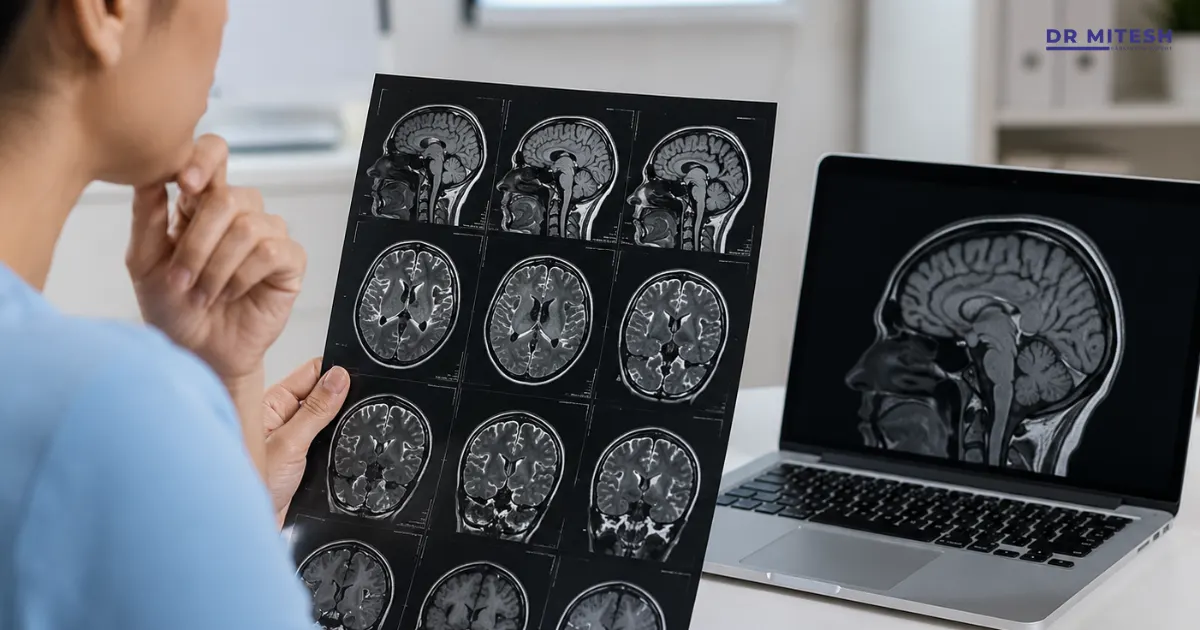

Tremors are involuntary rhythmic muscle movements that can affect various parts of the body, such as the hands, head, or voice. While many people associate tremors with Parkinson’s disease, it’s essential to understand that not all tremors are caused by it. One of the most commonly confused conditions is essential tremor. Understanding the distinction between essential tremor vs Parkinson’s disease can help patients, caregivers, and healthcare providers make informed decisions about diagnosis and treatment.
What is Essential Tremor?
Essential tremor is a neurological disorder that causes involuntary and rhythmic shaking, often of the hands or arms. It is not life-threatening but can interfere with daily tasks. Unlike Parkinson’s disease, essential tremor is primarily a movement disorder and does not typically involve other neurological symptoms.
- Usually affects the hands, head, or voice
- Tremors occur during movement, such as eating or writing
- Often runs in families, indicating a genetic component
- Symptoms may worsen with stress, fatigue, or caffeine
- May improve temporarily with small amounts of alcohol
What is Parkinson’s Disease?
Parkinson’s disease is a progressive neurodegenerative disorder that affects movement and other functions of the nervous system. It occurs due to the loss of dopamine-producing neurons in the brain.
- Characterized by resting tremors, rigidity, and slow movement (bradykinesia)
- Tremors usually occur when the body is at rest
- Involves additional symptoms such as balance issues, shuffling gait, and reduced facial expressions
- Associated with non-motor symptoms like sleep problems, mood disorders, and cognitive decline
- Progresses over time and requires long-term management
Key Differences Between Essential Tremor and Parkinson’s Disease
While both conditions involve tremors, they differ significantly in causes, symptoms, and progression. Here are the primary differences:
- Tremor Timing: Essential tremors occur during voluntary movement, whereas Parkinson’s tremors happen at rest
- Tremor Location: Essential tremor often affects both hands and may include the head and voice; Parkinson’s typically starts on one side and may progress to the other
- Associated Symptoms: Essential tremor lacks the rigidity, bradykinesia, and postural instability found in Parkinson’s disease
- Family History: Essential tremor is often hereditary; Parkinson’s has a more complex and less predictable genetic link
- Response to Medication: Essential tremor may respond to beta-blockers or anticonvulsants; Parkinson’s is treated with dopamine-enhancing medications
Diagnosing the Right Condition
Correctly identifying essential tremor vs Parkinson’s disease is crucial for proper treatment. Diagnosis typically involves clinical evaluation and may include imaging or lab tests to rule out other conditions.
- Neurological examination to assess tremor pattern, muscle tone, and coordination
- Patient history including age of onset, family history, and symptom progression
- MRI or DaTscan may be used to evaluate dopamine levels in the brain
- Blood tests to exclude other metabolic or systemic causes of tremors
- Sometimes a trial of medication can help determine diagnosis based on response
Impact on Daily Life
Both essential tremor and Parkinson’s disease can significantly affect daily functioning, though in different ways. Understanding the condition helps in adapting lifestyle and planning long-term care.
- Essential Tremor:
- Difficulty writing, eating, or drinking
- Social embarrassment due to visible shaking
- Emotional stress can worsen symptoms
- Parkinson’s Disease:
- Reduced ability to perform routine activities like dressing or walking
- Risk of falls due to poor balance and stiffness
- Gradual impact on mood, cognition, and independence
Treatment Options
There is no cure for either condition, but various treatments help manage symptoms and improve quality of life. Treatment plans should be tailored to each individual based on severity and lifestyle.
- Medications:
- Essential tremor: Beta-blockers (propranolol), primidone, anti-anxiety medications
- Parkinson’s disease: Levodopa, dopamine agonists, MAO-B inhibitors
- Lifestyle Modifications:
- Stress management techniques
- Physical and occupational therapy
- Avoiding triggers like caffeine
- Surgical Options:
- Deep brain stimulation (DBS) is effective in both conditions but with different targeting areas in the brain
- Supportive Therapies:
- Speech therapy for voice tremors or slurred speech
- Nutritional guidance to maintain energy and manage medication side effects
Psychological and Emotional Support
Living with a chronic neurological condition can be emotionally challenging. Both patients and caregivers need mental health support to cope with changes.
- Support groups to share experiences and reduce isolation
- Counseling or therapy to manage anxiety, depression, or stress
- Encouraging open communication with family and healthcare providers
- Involvement in community awareness programs to reduce stigma
When to Seek Medical Advice
Early diagnosis can significantly affect the management of symptoms and overall outcome. If you or a loved one experiences persistent tremors, it is advisable to consult a neurologist.
- Tremors that interfere with daily tasks
- Symptoms that worsen over time or spread to new areas
- Difficulty walking, maintaining balance, or coordination
- Presence of other signs like stiffness, slowness, or mood changes
- Family history of neurological disorders
Conclusion
While essential tremor and Parkinson’s disease may seem alike, they are distinct neurological conditions with different causes, symptoms, and treatment approaches. Recognizing the differences between essential tremor vs Parkinson’s disease is vital for accurate diagnosis, effective therapy, and improved patient outcomes.
If you are experiencing persistent tremors or other neurological concerns, consulting a qualified specialist is the first step toward better care. With the guidance of the Best Parkinson’s Doctor, patients can access personalized treatment, advanced therapies, and compassionate support to improve quality of life.
Authoritative References
- Mayo Clinic – Essential Tremor
- Cleveland Clinics – Parkinson’s Disease
- DBS and Me – Difference between Essential Tremor and Parkinson’s Disease
- National Library of Medicine – Treatment of Essential Tremor