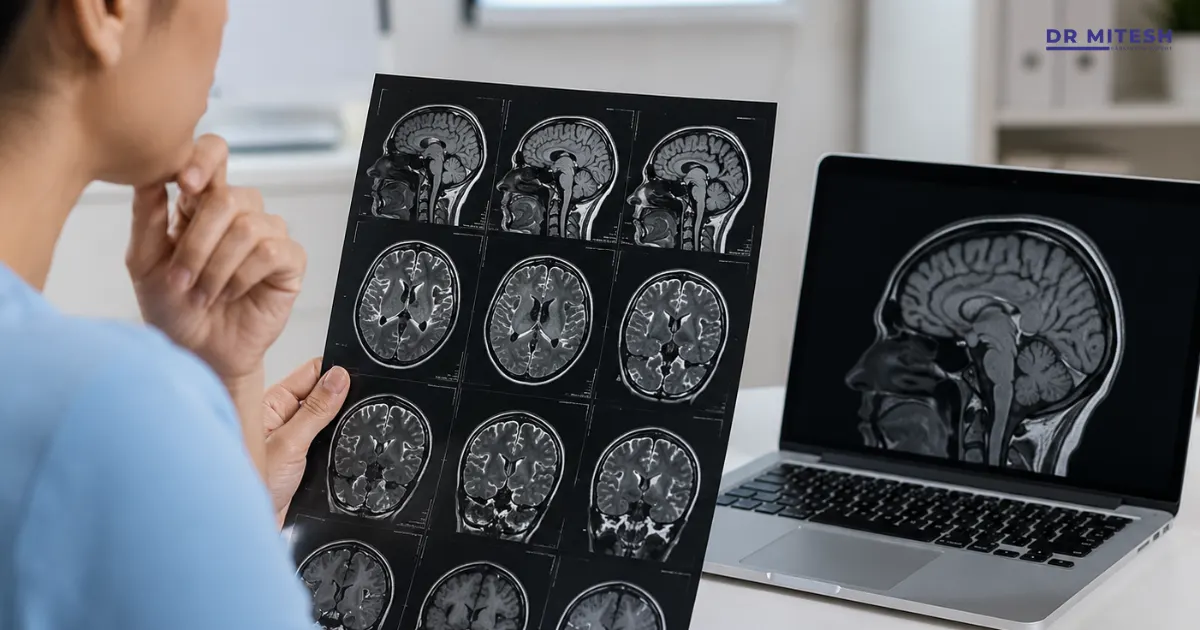

Neurological disorders can affect the brain, spinal cord, and nerves throughout the body. These conditions may develop gradually or suddenly, and early recognition is critical for effective treatment and improved quality of life. Understanding the early symptoms of neurological disorders helps patients and families act promptly and seek timely medical advice. If you’re experiencing subtle signs that something might be wrong, knowing when to consult a neurologist can make all the difference.
What Are Neurological Disorders?
Neurological disorders are medical conditions that affect the central and peripheral nervous systems. These include the brain, spinal cord, and a network of nerves throughout the body. Some of the most common neurological conditions include:
- Parkinson’s disease
- Epilepsy
- Multiple sclerosis (MS)
- Alzheimer’s disease and other dementias
- Migraines
- Stroke
- Neuropathy
- Essential tremor
- Brain tumors
These disorders may impact movement, communication, cognition, or sensation, and their early detection is vital for slowing progression and managing symptoms effectively.
Common Early Symptoms of Neurological Disorders
The signs of neurological issues can vary widely depending on the specific disorder, but certain early symptoms are commonly reported across various conditions. These include:
- Persistent headaches
- Sudden, severe, or recurrent headaches not relieved by over-the-counter medication
- Headaches accompanied by nausea, vision changes, or confusion
- Muscle weakness or numbness
- Gradual or sudden weakness, especially on one side of the body
- Numbness or tingling in the arms, legs, or face
- Balance and coordination issues
- Unexplained dizziness or difficulty walking
- Frequent falls or unsteady gait
- Memory loss or confusion
- Forgetting common tasks or names
- Difficulty following conversations or directions
- Tremors or involuntary movements
- Shaking in the hands, face, or other parts of the body
- Sudden muscle jerks or spasms
- Vision problems
- Blurred, double vision, or partial vision loss
- Eye pain or difficulty focusing
- Speech difficulties
- Slurred or slowed speech
- Trouble understanding or forming words
- Seizures
- Sudden convulsions or episodes of unconsciousness
- Twitching or staring spells
When to See a Neurologist
While occasional symptoms might not always signal a serious issue, persistent or progressive signs should not be ignored. Seek a neurologist’s opinion if:
- Symptoms of Neurological Disorders last for more than a few days without improvement
- There is a sudden onset of neurological symptoms (e.g., facial drooping, difficulty speaking, sudden weakness)
- You experience repeated seizures or blackouts
- There is a family history of neurological diseases
- Symptoms interfere with daily activities such as walking, talking, or driving
Early medical intervention often leads to better treatment outcomes and helps prevent complications.
Importance of Early Diagnosis
Timely diagnosis of Neurological Disorders allows for:
- Early treatment initiation to slow progression (especially in diseases like Parkinson’s and MS)
- Better symptom management through medications, therapy, and lifestyle modifications
- Improved quality of life with reduced disability
- Planning for the future, including support systems and care strategies
Delays in diagnosis can lead to irreversible damage in some neurological conditions, making it essential to recognize warning signs early.
Diagnostic Tools and Tests
When a neurologist suspects a neurological disorder, several tests may be conducted to confirm the diagnosis:
- Neurological examination: Reflexes, muscle strength, coordination, and mental status
- Imaging tests: MRI, CT scan to detect brain or spinal cord abnormalities
- Electroencephalogram (EEG): Measures electrical activity in the brain (used in seizure disorders)
- Nerve conduction studies and EMG: Assess nerve and muscle function
- Blood tests: Rule out infections, autoimmune conditions, or vitamin deficiencies
- Lumbar puncture (spinal tap): Examines cerebrospinal fluid for signs of inflammation or infection
Preventive Measures and Lifestyle Tips
While not all Neurological disorders are preventable, certain measures can reduce risk and promote brain health:
- Maintain a balanced diet rich in omega-3 fatty acids, antioxidants, and essential vitamins
- Engage in regular physical activity to support circulation and nerve health
- Avoid smoking and excessive alcohol consumption
- Manage chronic conditions like diabetes and hypertension
- Stay mentally active through reading, puzzles, and social interaction
- Protect your head by wearing helmets and using seatbelts
- Get regular checkups to monitor and manage risk factors
Support and Resources for Patients
Receiving a diagnosis of a neurological disorder can be overwhelming. Fortunately, numerous resources are available for patients and caregivers:
- Local support groups in Gujarat, including Parkinson’s support networks
- Rehabilitation services such as physiotherapy and occupational therapy
- Educational materials provided by hospitals and medical specialists
- Counseling and mental health support for coping with chronic illness
Conclusion
Neurological disorders often present with subtle symptoms that can easily be overlooked. Recognizing these early warning signs is crucial for timely intervention and effective management. If you or someone you know is experiencing unexplained changes in movement, sensation, or mental clarity, it’s time to consult a Neurologist and Movement Disorder Specialist. Prioritizing brain and nerve health through early detection, medical support, and healthy living can help individuals lead fulfilling lives despite Neurological challenges.
Authoritative References
- Cleveland Clinic – Signs of Neurological Issues
- Hopkins Medicine – Neurological Disorders
- Wikipedia – Neurological Disorders