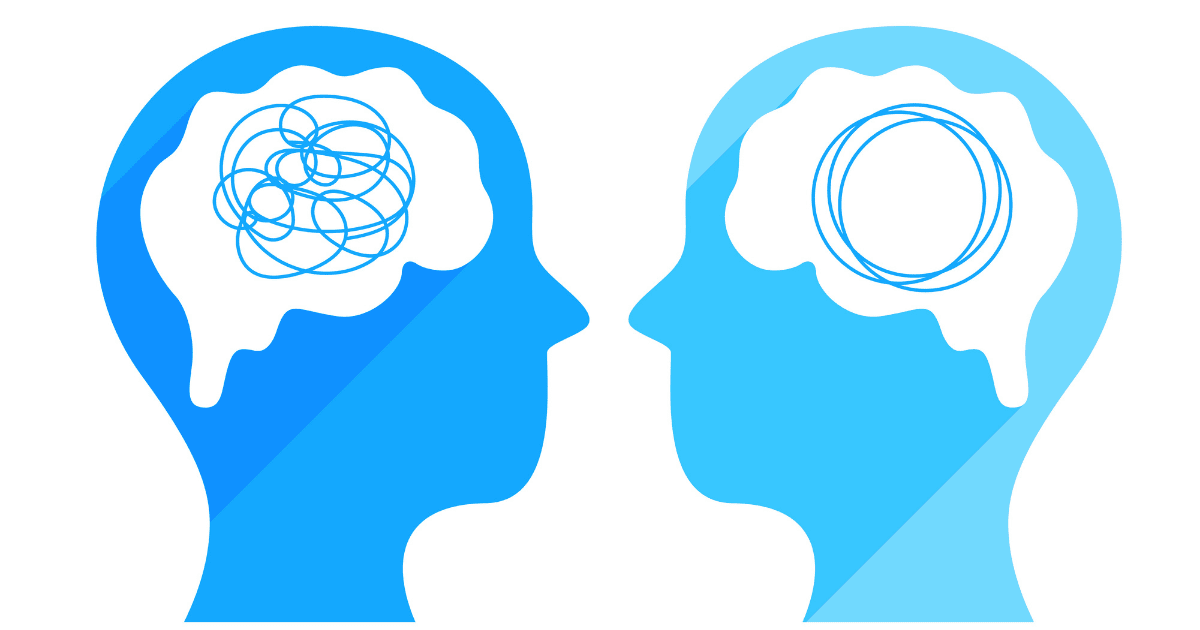
Understanding the distinction between neurological and mental health conditions is crucial for accurate diagnosis, effective treatment, and reducing stigma. While both affect the brain and behavior, they differ in causes, symptoms, and treatment approaches. This article delves into these differences, providing clarity for patients, caregivers, and healthcare professionals.
What Are Neurological Conditions?
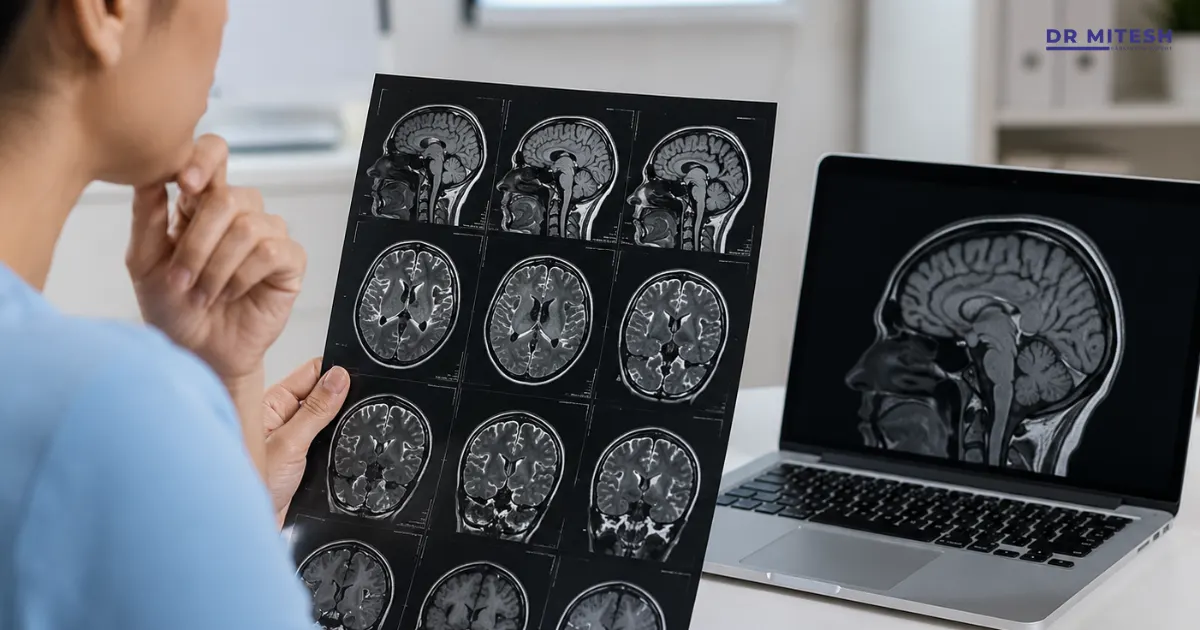
Neurological conditions involve physical abnormalities or damage to the nervous system, including the brain, spinal cord, and peripheral nerves. These disorders often have clear biological markers and can be observed through medical imaging or tests.
Common Neurological Disorders
- Parkinson’s Disease: A neurodegenerative disorder affecting movement control.
- Multiple Sclerosis (MS): An autoimmune disease that damages nerve fibers and disrupts communication between the brain and body.
- Epilepsy: Characterized by recurrent seizures due to abnormal brain activity.
- Alzheimer’s Disease: A progressive condition leading to memory loss and cognitive decline.
- Stroke: Occurs when blood flow to a part of the brain is interrupted, causing brain cell death.
Symptoms
- Muscle weakness or paralysis
- Seizures
- Memory loss
- Speech difficulties
- Coordination problems
These symptoms are typically linked to structural or functional changes in the nervous system.
Learn More About Depression or a Neurological Issue?
What Are Mental Health Conditions?
Mental health conditions, also known as psychiatric disorders, primarily affect mood, thinking, and behavior. While they can have biological components, they are often diagnosed based on reported symptoms and behavioral observations.
Common Mental Health Disorders
- Depression: Persistent feelings of sadness and loss of interest.
- Anxiety Disorders: Excessive worry, fear, or nervousness.
- Schizophrenia: Characterized by delusions, hallucinations, and disorganized thinking.
- Bipolar Disorder: Mood swings that include depressive episodes and periods of elevated mood.
- Obsessive Compulsive Disorder (OCD): Recurrent, unwanted thoughts (obsessions) and/or repetitive behaviours (compulsions).
Symptoms
- Persistent sadness or irritability
- Excessive fear or worry
- Mood swings
- Withdrawal from social interactions
- Changes in eating or sleeping patterns
These symptoms are often influenced by a combination of genetic, environmental, and psychological factors.
Learn More About How Stress Impacts Brain Health?
Key Differences Between Neurological and Mental Health Conditions
| Aspect | Neurological Conditions | Mental Health Conditions |
|---|---|---|
| Primary Cause | Physical damage or abnormalities in the nervous system | Psychological, emotional, or behavioral factors |
| Diagnosis | Based on medical imaging, neurological tests, and physical exams | Based on patient history, symptom reporting, and behavioral assessments |
| Treatment | Medications, surgery, physical therapy | Psychotherapy, medications, lifestyle changes |
| Symptoms | Observable physical signs (e.g., paralysis, tremors) | Emotional and behavioral changes (e.g., mood swings, anxiety) |
| Examples | Parkinson’s Disease, Stroke, Epilepsy | Depression, Anxiety Disorders, Schizophrenia |
The Overlap: Neurological Symptoms Affecting Mental Health
It’s important to recognize that neurological conditions can impact mental health. For instance, individuals with Parkinson’s disease may experience depression or anxiety as part of the disease process. Similarly, a stroke can lead to cognitive impairments and emotional changes.
Examples of Neurological Disorders with Mental Health Symptoms
- Parkinson’s Disease: May cause depression, anxiety, and cognitive decline.
- Multiple Sclerosis: Can lead to mood swings, depression, and cognitive dysfunction.
- Stroke: Often results in emotional changes, memory problems, and difficulty with communication.
- Epilepsy: May be associated with depression and anxiety disorders.
These overlapping symptoms underscore the need for comprehensive care that addresses both neurological and mental health aspects.
Learn More About Parkinson’s and Mental Health: Link and Getting Help
How the Brain and Mind Are Connected
The relationship between the brain and the mind is complex and interconnected. While the brain is the physical organ responsible for processing information, the mind encompasses our thoughts, emotions, and consciousness. Disruptions in brain function can lead to changes in mental states, and vice versa.
Understanding the Connection
- Brain Function: Involves neural activity and chemical processes that underpin thoughts and behaviors.
- Mind: Represents subjective experiences, emotions, and cognitive processes.
Research indicates that mental health disorders can result from or contribute to changes in brain structure and function. Conversely, neurological conditions can affect mental well-being due to alterations in brain regions responsible for emotion and cognition.
Learn More About Managing Neurological Disorders Through Lifestyle Changes.
Conclusion
Differentiating between neurological and mental health conditions is essential for appropriate diagnosis and treatment. While they have distinct characteristics, their overlap highlights the importance of a holistic approach to healthcare that considers both physical and mental well-being. Understanding these differences can lead to better patient outcomes and reduce stigma associated with these conditions.
For personalized guidance and expert care, consulting the Best Neurologist ensures that both your neurological and mental well-being are carefully evaluated and managed with precision and compassion.
FAQs
Q1: Can a neurological condition cause mental health symptoms?
Yes, neurological conditions like Parkinson’s disease or stroke can lead to mental health symptoms such as depression, anxiety, and cognitive changes.
Q2: Are mental health conditions treatable?
Absolutely. Mental health conditions are treatable through various methods, including psychotherapy, medications, and lifestyle modifications.
Q3: How can I support someone with a neurological or mental health condition?
Providing emotional support, encouraging treatment adherence, and fostering a non-judgmental environment can significantly aid individuals coping with these conditions.
Q4: Where can I find more information about neurological and mental health conditions?
Reputable sources include the National Institute of Neurological Disorders and Stroke (NINDS) and the National Institute of Mental Health (NIMH).
Q5: Is there a cure for neurological or mental health conditions?
While some conditions are manageable with treatment, others may not have a cure but can be controlled to improve quality of life.
Authoritative References
- Cleveland Clinic – Neurological Conditions
- World Health Organization – Mental Health Disorders
- National Library of Medicine – How the Brain and Mind are connected