
Speech is one of the most vital aspects of human communication. When a person begins to experience changes in speech patterns, voice clarity, or the ability to articulate words, it may be a sign of underlying health issues. One common cause of such issues is neurological disorders. These conditions affect the brain, spinal cord, or peripheral nerves and can interfere with the complex processes that control speech. Understanding the link between neurological disorders and speech changes is essential for timely diagnosis, effective therapy, and improved quality of life.
How Neurological Disorders Affect Speech
The brain controls many functions involved in speech, including breathing, vocal cord movement, tongue coordination, and cognitive processing. Neurological disorders can disrupt any of these elements.
- Damage to motor areas of the brain can impair muscle control in the face, lips, and tongue
- Impaired nerve signals may affect vocal tone, pitch, or volume
- Cognitive impairments may interfere with language processing or word recall
- Coordination issues may cause slurred or slowed speech
Some of the common speech problems associated with neurological disorders include:
- Dysarthria: Slurred or slow speech due to weak muscles
- Aphasia: Difficulty in understanding or producing language
- Apraxia of speech: Difficulty in planning and coordinating the movements needed for speech
Common Neurological Disorders That Affect Speech
Several Neurological conditions are known to cause speech changes. Recognizing these disorders early helps guide diagnosis and management.
- Parkinson’s Disease:
- Reduced vocal volume
- Monotone voice
- Slurred or mumbled words
- Stroke:
- Sudden onset of aphasia or dysarthria
- Difficulty understanding language or forming words
- Amyotrophic Lateral Sclerosis (ALS):
- Progressive weakening of speech muscles
- Nasal or strained voice quality
- Multiple Sclerosis (MS):
- Intermittent slurring
- Problems with clarity and articulation
- Traumatic Brain Injury (TBI):
- Cognitive and motor speech issues
- May result in temporary or permanent speech changes
- Alzheimer’s Disease and Other Dementias:
- Word-finding difficulty
- Repetition of phrases
- Confused or disorganized speech
Learn more about other Neurological Disorders like Tremors in Childhood and Adolescence: Why Early Diagnosis Matters
Warning Signs to Watch For
Speech changes may develop gradually or appear suddenly. It’s important to be aware of early signs that may suggest neurological involvement.
- Slurred, slow, or mumbled speech
- Hoarseness or reduced vocal loudness
- Struggling to find the right words
- Repetitive or disorganized language
- Inability to follow or participate in conversation
- Fatigue or breathlessness while speaking
Diagnosing Speech Changes
Accurate diagnosis is essential to identify the neurological disorder causing speech difficulties. The evaluation usually includes:
- Detailed patient history
- Neurological examination to assess reflexes, coordination, and strength
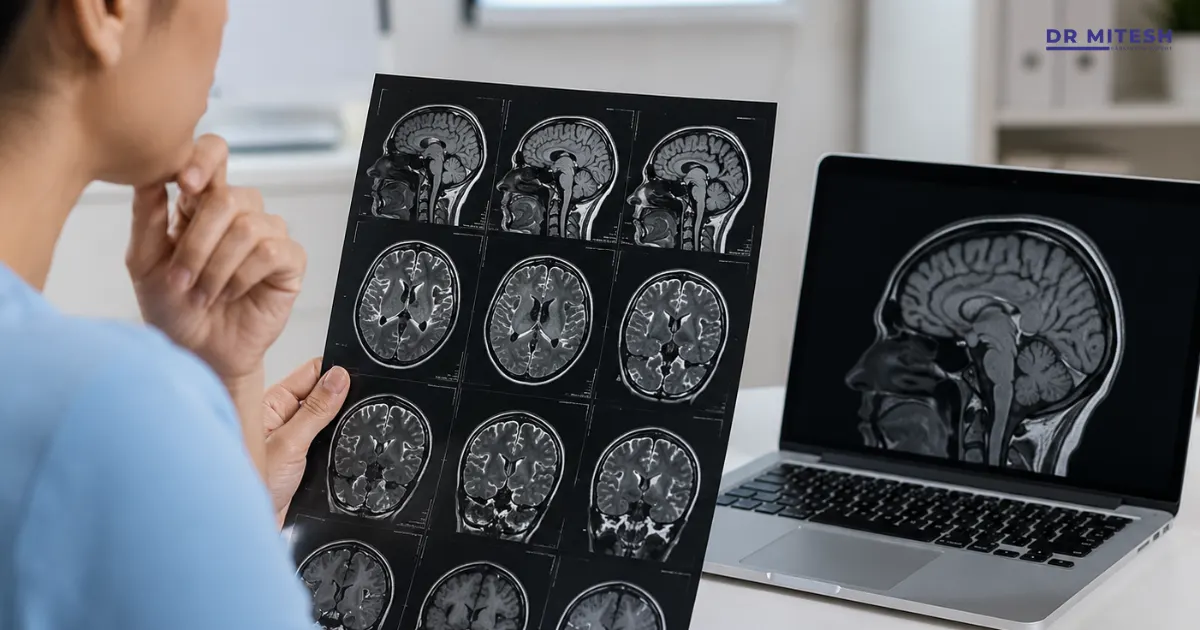
- Imaging tests like MRI or CT scan to detect brain abnormalities
- Speech-language assessment to evaluate clarity, volume, fluency, and comprehension
- Blood tests to rule out metabolic or infectious causes
Early diagnosis not only improves treatment outcomes but also slows down the progression of certain neurological disorders.
Learn how other parts are affected due to a Neurological Disorder. Can Parkinson’s Affect Vision: What You Should Know
Available Therapies for Speech Disorders
Treatment depends on the underlying neurological condition, severity of speech change, and the individual’s functional needs. Therapies aim to improve communication, regain speech clarity, and enhance quality of life.
- Speech Therapy:
- Customized exercises to strengthen facial muscles
- Breath control techniques
- Strategies to improve pronunciation and fluency
- Use of assistive devices if verbal communication is severely affected
- Medications:
- Parkinson’s: Dopaminergic drugs may improve speech control
- MS: Steroids or immunomodulators may reduce flare-ups affecting speech
- Stroke: Anticoagulants or antihypertensives to prevent further damage
- Cognitive Training:
- Useful for dementia-related speech issues
- Enhances memory, attention, and language
- Surgical Interventions:
- Deep Brain Stimulation (DBS) in Parkinson’s may indirectly improve speech
- Vocal cord surgeries in cases of severe dysphonia
- Family and Caregiver Involvement:
- Training to support communication strategies
- Education on using non-verbal cues and alternative methods
Living with Speech Challenges
Managing speech changes involves both medical treatment and lifestyle adaptations. Here are ways patients and caregivers can cope effectively:
- Use short, simple sentences when speaking
- Allow extra time for responses during conversation
- Maintain eye contact and use gestures
- Utilize communication aids like writing boards or mobile apps
- Practice relaxation techniques to reduce speech-related anxiety
- Join support groups to connect with others facing similar challenges
When to Seek Medical Advice
Speech issues should not be ignored, especially if they worsen over time or are accompanied by other neurological signs. It is important to seek medical evaluation in cases of:
- Sudden loss of speech or understanding
- Progressive slurring or voice weakening
- Difficulty swallowing or breathing while talking
- Confusion or memory loss
- Unexplained changes in behavior or mood
Consulting a Neurologist helps uncover underlying conditions, initiate early treatment, and plan a holistic care strategy.
Learn more about, How Soon Should Parkinson’s Treatment Begin? Why Early Care Matters
Conclusion
Speech changes can be alarming, especially when they hint at deeper neurological issues. By understanding how neurological disorders affect communication, patients and caregivers can take timely steps to seek help and improve outcomes. Whether it’s Parkinson’s disease, stroke, or dementia, appropriate therapy and support can significantly restore one’s ability to express, connect, and lead a better life.
The Best Movement Disorder Specialist, along with skilled speech-language therapists, provides advanced diagnosis and comprehensive care for individuals experiencing speech changes due to neurological disorders.
Authoritative References
- Connected Speech Pathology – Neurological Speech Disorder
- Mayo Clinic – Dysarthria
- National Institute of Deafness and Other Communicational Disorder – Aphasia
- National Institute of Deafness and Other Communicational Disorder – Apraxia of speech
- LSU Health – Neurological Disorder Affecting Speech