Have you ever felt butterflies in your stomach before an exam or a stressful meeting? That’s not just a figure of speech, it’s a real sign of how closely the gut and brain are connected. Scientists now call this link the Brain-Gut connection, and research shows that our digestive health can directly influence mood, memory, and even the risk of neurological problems.
Understanding this connection helps patients, families, and doctors take better care of both the body and the mind. Let’s explore how the gut and brain “talk” to each other, why gut balance is so important, and what practical steps you can take for healthier digestion and improved mental well-being.
How the Brain-Gut Connection Communicates
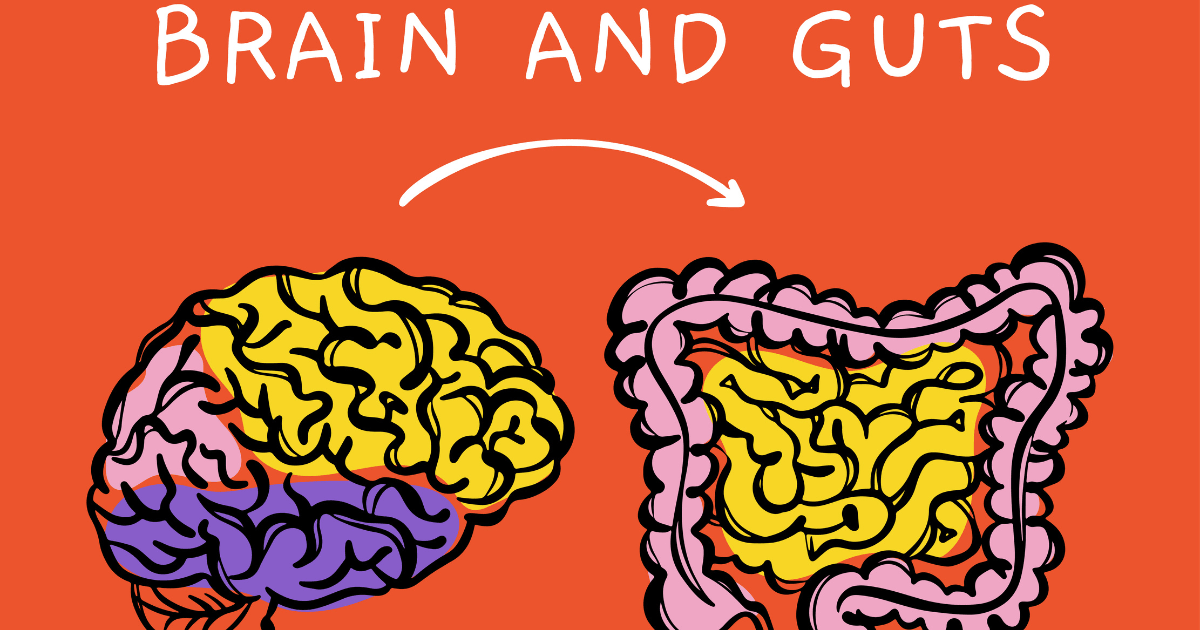
The gut and brain are connected through what doctors call the “gut-brain axis.” Think of it as a two-way communication highway:
- Nerves: The vagus nerve carries signals between the brain and digestive tract.
- Chemicals: Hormones and neurotransmitters (like serotonin, which regulates mood) are produced in large amounts in the gut.
- Immune system: The gut houses nearly 70% of the body’s immune cells, which influence brain health.
This means when the gut is healthy, the brain functions better. But when digestion is upset, mental health may also suffer.
Gut Health and Mental Health
Studies suggest strong links between digestive problems and mental health conditions. For example:
- Anxiety & Depression: Imbalances in the gut microbiome (the “good bacteria” in your gut) can increase stress hormones and affect mood.
- Parkinson’s Disease: Research shows digestive symptoms like constipation may appear years before movement symptoms in Parkinson’s patients.
- Stress: Chronic stress can make gut problems worse, creating a vicious cycle.
Learn more about how mental health affects elderly Balance Problems in Elderly Individuals: Neurological or Something Else?
How Gut Microbiome Affects the Brain
The gut microbiome is made up of trillions of bacteria, fungi, and other tiny organisms. When they are in balance, they:
- Help produce neurotransmitters (like dopamine and serotonin).
- Reduce inflammation that can damage brain cells.
- Improve memory, focus, and overall brain function.
But when unhealthy bacteria take over (a condition called dysbiosis), patients may notice:
- More fatigue and brain fog.
- Worsening of mental health issues.
- Greater risk of neurological disorders.
Quick Table: Impact of Gut Balance on Mental Health
| Gut Condition | Brain Effect | Common Symptoms |
|---|---|---|
| Balanced microbiome | Better mood, sharp memory | Calmness, focus, energy |
| Dysbiosis | Low mood, poor concentration | Fatigue, anxiety, brain fog |
Digestive System and Brain Function in Daily Life
Even everyday digestive health plays a role in brain performance. For example:
- Skipping meals may lower blood sugar, leading to irritability.
- Overeating junk food can cause sluggishness and mental fatigue.
- Constipation may trigger discomfort, which worsens anxiety.
In children and teens, digestive problems may even show up as trouble concentrating in school.
Learn more about how gut health is more important at a young age, as well Tremors in Childhood and Adolescence: Why Early Diagnosis Matters.
Improving Mental Health Through Gut Health
The good news? You can support your brain by taking care of your gut. Here are some simple lifestyle tips:
1. Diet for Gut and Brain Health
- Eat more fiber-rich foods (fruits, vegetables, whole grains).
- Include fermented foods (yogurt, kefir, kimchi) that support good bacteria.
- Limit processed sugar and junk food, which feed harmful bacteria.
2. Regular Exercise
- Physical activity improves gut motility and increases “feel-good” brain chemicals.
- Even 20-30 minutes of walking daily can help.
3. Manage Stress
- Practices like deep breathing, yoga, or meditation reduce stress signals to the gut.
- Good sleep is equally important for both digestion and mood.
4. Medical Support
- If digestive problems continue, consult the Best Neurologist, especially if neurological symptoms (like tremors or stiffness) are also present.
When to Seek Medical Help
Not every stomach upset needs a doctor visit, but you should consult a specialist if you notice:
- Persistent constipation or diarrhea.
- Sudden weight loss without reason.
- Ongoing fatigue, brain fog, or mood swings.
- Early neurological symptoms like tremors or balance issues.
Conclusion
The Brain-Gut connection is a fascinating area of medicine that shows how closely linked our digestive health and mental well-being are. Taking small steps, like eating a balanced diet, staying active, and managing stress, can go a long way in protecting both gut and brain.
If you or a loved one experiences persistent digestive or neurological problems, don’t ignore them. Getting timely care from the Best Movement Disorder Specialist can help manage symptoms and improve long-term health.
Authoritative References
- Cleveland Clinic – The Brain-Gut Connection
- Hopkins Medicine – The Brain-Gut Connection
- Health line – Brain-Gut Axis