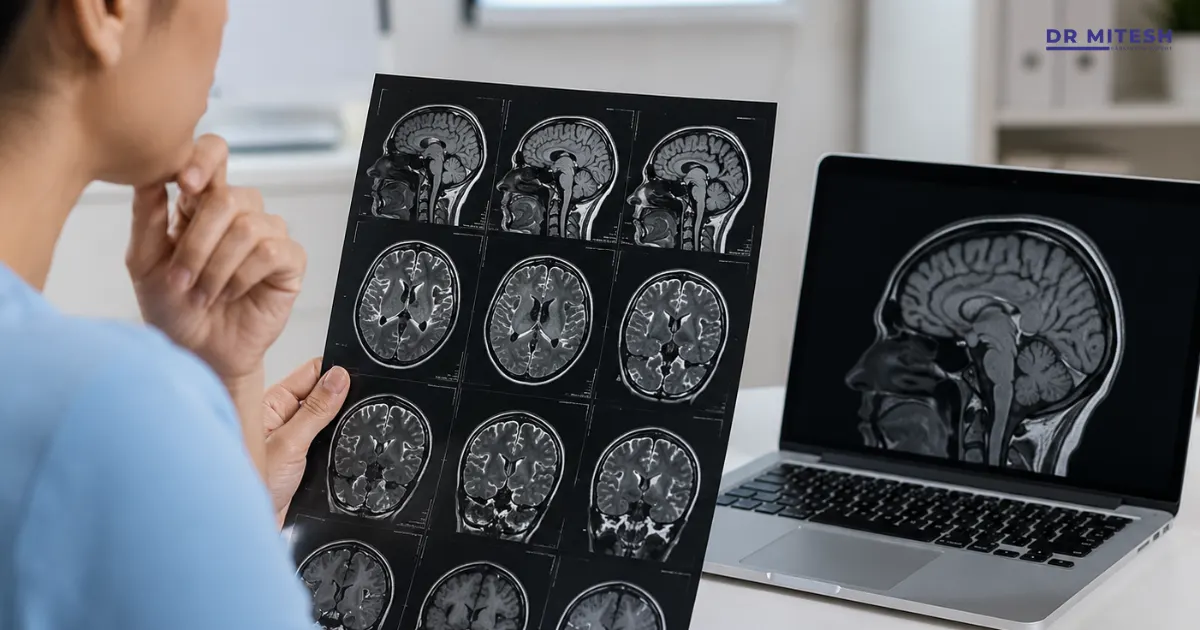
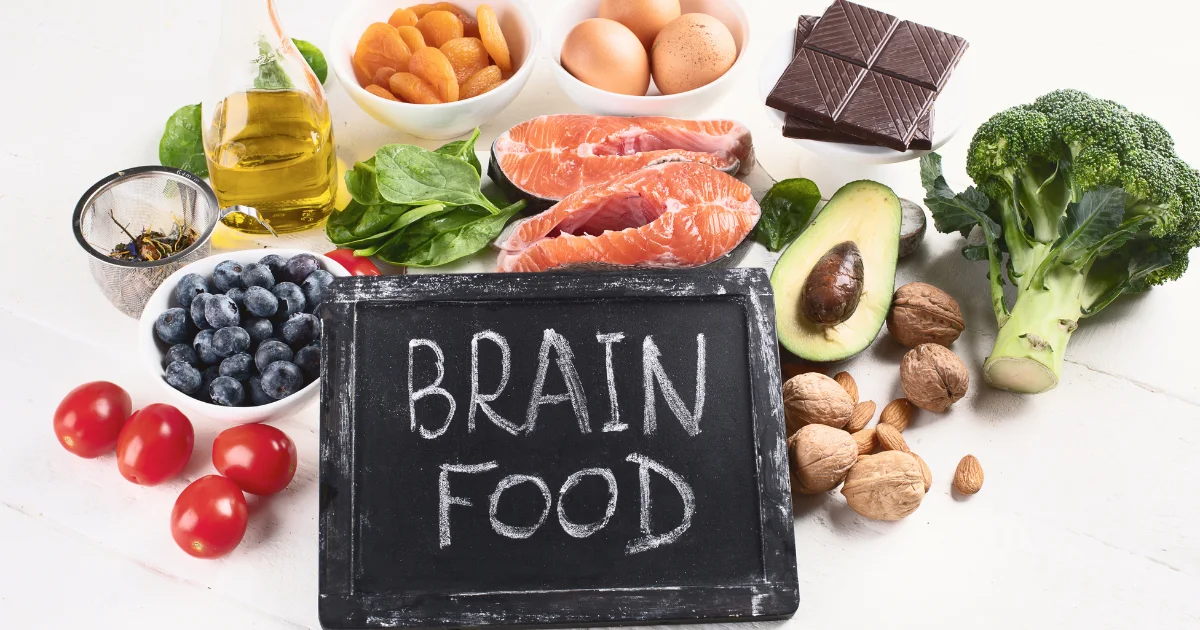
Maintaining good Brain Health is essential for overall well-being, especially as we age. The brain, like any other organ in the body, requires proper nutrition to function optimally. A balanced diet rich in brain-boosting nutrients can enhance memory, concentration, and cognitive function, and even reduce the risk of neurological disorders. Understanding what foods support brain health can help you make informed dietary choices for a sharper mind and healthier future.
Why Brain Health Matters
Our brain controls everything from memory and emotions to physical movements and decision-making. Keeping it healthy is not just about preventing diseases but also about optimizing its performance throughout life.
- Supports memory and learning capabilities
- Enhances focus, clarity, and concentration
- Reduces risk of cognitive decline and neurodegenerative diseases
- Affects mood and emotional stability
- Plays a role in physical coordination and motor skills
Key Nutrients for Brain Health
To keep your brain functioning at its best, certain nutrients are essential. These Nutrients help build and repair brain cells, reduce inflammation, and support neurotransmitter activity.
- Omega-3 Fatty Acids: Crucial for building cell membranes in the brain
- Antioxidants: Help protect brain cells from oxidative stress
- B Vitamins: Vital for energy production and neurotransmitter function
- Vitamin D: Supports brain cell communication and reduces inflammation
- Magnesium: Involved in nerve signal transmission
- Iron and Zinc: Important for cognitive development and performance
Learn more about Nutrition Tips for Parkinson’s Patients: Essential Guidelines for Better Health
Top Foods That Improve Brain Health
Adding the following foods to your diet can significantly benefit your cognitive function and mental clarity.
1. Fatty Fish
Fatty fish like salmon, sardines, and mackerel are rich in omega-3 fatty acids, particularly EPA and DHA, which are essential for brain structure and function.
- Improves memory and mood
- Reduces risk of Alzheimer’s disease
- Supports brain cell communication
2. Leafy Green Vegetables
Vegetables such as spinach, kale, and broccoli are packed with brain-friendly nutrients, including vitamin K, lutein, folate, and beta carotene.
- Slows cognitive decline
- Improves memory retention
- Reduces inflammation
3. Berries
Blueberries, strawberries, and blackberries are high in antioxidants that protect the brain from oxidative stress and inflammation.
- Boosts communication between brain cells
- Improves motor skills and learning ability
- Delays brain aging
4. Nuts and Seeds
Walnuts, almonds, flaxseeds, and chia seeds contain healthy fats, antioxidants, and vitamin E, which are all supportive of brain health.
- Protects brain cells from damage
- Enhances cognitive function
- May prevent age-related mental decline
5. Whole Grains
Whole grains such as oats, brown rice, and quinoa provide glucose, the brain’s primary source of energy, and are rich in fiber and B vitamins.
- Stabilizes mood and energy levels
- Supports memory and concentration
- Improves blood flow to the brain
6. Eggs
Eggs are a great source of several nutrients linked to brain health, including B6, B12, folate, and choline.
- Enhances memory and cognitive performance
- Supports production of acetylcholine, a neurotransmitter involved in mood and memory
- Helps regulate brain development
7. Dark Chocolate
Dark chocolate contains flavonoids, caffeine, and antioxidants that can enhance brain function.
- Improves blood flow to the brain
- Enhances memory, attention, and learning
- Reduces stress and boosts mood
8. Avocados
Avocados are rich in healthy monounsaturated fats that promote blood flow and support cognitive function.
- Lowers blood pressure
- Enhances focus and concentration
- Protects brain cells from damage
9. Coffee and Tea
In moderation, coffee and green tea can be beneficial for brain health due to their caffeine and antioxidant content.
- Increases alertness and short-term memory
- Boosts mood by increasing dopamine production
- Offers long-term protection against Alzheimer’s
10. Turmeric
This vibrant spice contains curcumin, a compound known for its anti-inflammatory and antioxidant effects on the brain.
- Crosses the blood-brain barrier to nourish brain cells
- Boosts mood and memory
- Supports the growth of new brain cells
Want to know more about the role of diets in Neurological health Anti-inflammatory Diets and Their Role in Neurological Health
Brain-Boosting Meal Tips
Incorporating brain-friendly foods into your daily meals doesn’t have to be complicated.
- Add berries and walnuts to your morning oatmeal
- Use leafy greens in salads, smoothies, or omelets
- Choose whole grains like brown rice or quinoa as a side
- Cook with turmeric and healthy oils like olive oil
- Snack on dark chocolate and a handful of almonds
What to Limit or Avoid
Certain foods can negatively impact brain health and should be consumed in moderation.
- Sugary foods and beverages: Linked to poor memory and brain fog
- Trans fats: Associated with cognitive decline
- Excess alcohol: Can damage brain structure and interfere with neurotransmitters
- Highly processed foods: Often low in nutrients and high in additives
Lifestyle Habits That Support Brain Health
Beyond diet, other habits also contribute to maintaining a healthy brain.
- Regular physical activity boosts blood flow to the brain
- Adequate sleep helps in memory consolidation
- Mental exercises like puzzles and reading keep the brain active
- Stress management techniques like meditation improve focus and reduce inflammation
When to Consult a Neurologist
If you experience symptoms like frequent memory lapses, confusion, or difficulty concentrating, it may be time to seek professional advice.
- Unexplained forgetfulness or disorientation
- Difficulty finding words or forming sentences
- Mood changes without clear cause
- Trouble with coordination or balance
Conclusion
Your brain is your most valuable asset, and taking care of it starts with what you eat. Incorporating nutrient-rich foods that improve brain health can boost cognitive performance, support emotional well-being, and reduce the risk of neurological disorders. Start today by making small, consistent changes in your diet and lifestyle. For those experiencing cognitive concerns or neurological symptoms, expert evaluation by a Neurologist can guide you toward proper diagnosis and treatment. A Movement Disorder Specialist & the Best Parkinson’s Doctor offers comprehensive brain health consultations to support you at every stage of life.
Authoritative References
- Mayo Clinic – 8 brain health tips
- World Health Organization – Brain Health
- Nutrition News – Top 5 Nutrients for the Brain
- National Library of Medicine – Brain Friendly Foods