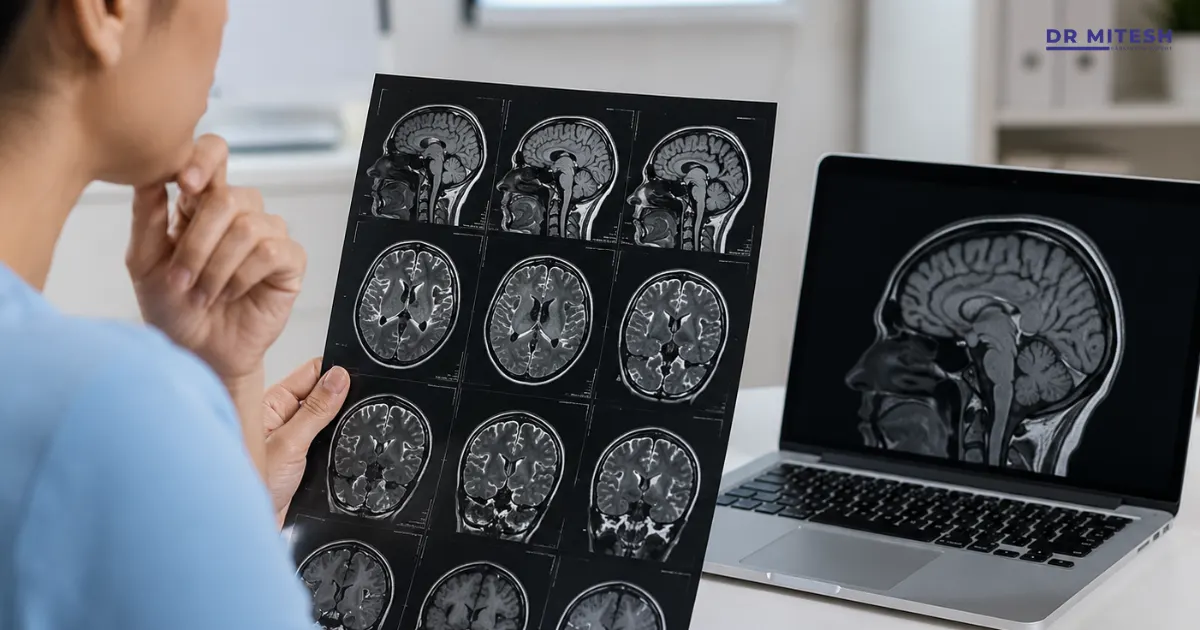
Chronic inflammation is at the core of many long-term health conditions, including heart disease, diabetes, arthritis, and even neurological disorders like Parkinson’s disease, Alzheimer’s, multiple sclerosis (MS), and stroke. While inflammation is the body’s natural response to injury or infection, persistent inflammation in the brain can contribute to neurodegeneration and cognitive decline.
This has led researchers and healthcare providers to focus on anti-inflammatory diets nutritional plans designed to reduce inflammation in the body. These diets not only support general health but also have the potential to protect brain cells, enhance memory, reduce disease progression, and improve quality of life in people with neurological conditions.
In this blog, we’ll break down what anti-inflammatory diets are, how they work, which foods help or harm brain health, and how adopting this way of eating can benefit people living with or at risk for neurological diseases.
What Is an Anti-inflammatory Diet?
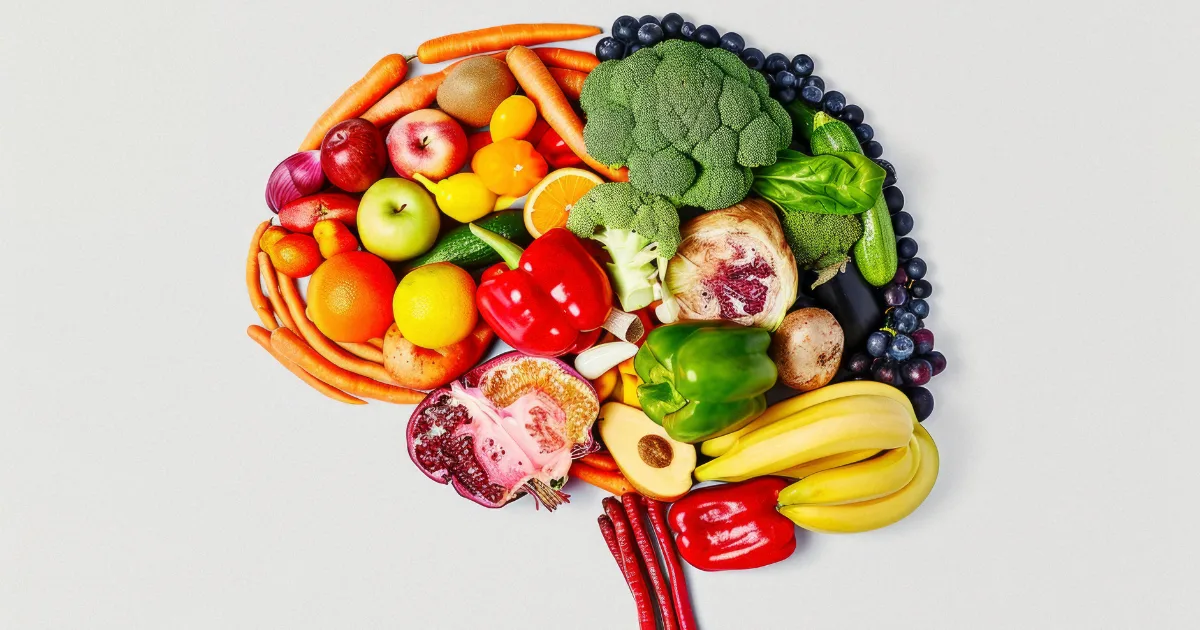
An anti-inflammatory diet is a way of eating that emphasizes whole, unprocessed foods that naturally reduce inflammation. It avoids foods known to trigger inflammatory responses such as refined sugars, trans fats, and processed meats.
Core Principles of an Anti-inflammatory Diet:
- High in fruits and vegetables (rich in antioxidants and fiber)
- Includes healthy fats like omega-3s (from fish, flaxseeds, walnuts)
- Incorporates whole grains and legumes
- Focuses on plant-based proteins or lean animal proteins
- Minimizes refined carbs, processed foods, and sugary beverages
- Uses anti-inflammatory spices like turmeric, ginger, and garlic
The Mediterranean diet is often considered one of the most effective anti-inflammatory eating plans and is widely recommended by neurologists.
Learn More About Foods That Improve Brain Health.
How Inflammation Affects Neurological Health
Inflammation in the brain, known as neuroinflammation, is increasingly recognized as a driver of neurological diseases. It can damage neurons, disrupt communication between brain cells, and accelerate the buildup of harmful proteins like amyloid beta and alpha-synuclein, which are linked to Alzheimer’s and Parkinson’s disease respectively.
Conditions Linked to Neuroinflammation:
- Parkinson’s disease
- Alzheimer’s disease
- Multiple sclerosis (MS)
- Stroke and post-stroke cognitive decline
- Migraine and chronic headaches
- Epilepsy and seizures
By following an anti-inflammatory diet, patients can potentially slow the progression of these conditions, improve symptom control, and enhance overall brain function.
Read more on Foods That Improve Brain Health in our internal guide.
Key Foods That Reduce Inflammation
Certain nutrients and foods have been shown to lower inflammatory markers in the body and support neurological function.
1. Fatty Fish (Salmon, Sardines, Mackerel)
- Rich in omega-3 fatty acids (EPA & DHA)
- Reduce brain inflammation and support neuron repair
- May improve memory and mood
2. Leafy Greens (Spinach, Kale, Fenugreek)
- Contain vitamin K, lutein, and folate
- Associated with slower cognitive decline in aging brains
3. Berries (Blueberries, Strawberries, Amla)
- High in flavonoids and antioxidants
- Improve communication between brain cells
- Help in delaying age-related memory loss
4. Whole Grains (Oats, Quinoa, Brown Rice)
- Source of fiber and B-vitamins
- Help reduce systemic inflammation and stabilize blood sugar
5. Nuts and Seeds (Almonds, Walnuts, Flaxseeds)
- Provide healthy fats, magnesium, and vitamin E
- Linked to better cognitive performance in older adults
6. Turmeric (Haldi)
- Contains curcumin, a powerful anti-inflammatory compound
- Shown to reduce brain inflammation and improve mood
Learn More About Nutrition Tips for Parkinson’s Patients: Essential Guidelines for Better Health.
Foods That May Trigger Inflammation
To benefit from an anti-inflammatory diet, it’s equally important to avoid foods that worsen inflammation—especially in the brain.
Avoid These Inflammatory Foods:
- Refined carbohydrates: White bread, pasta, and sugary cereals
- Sugary beverages: Sodas, fruit punches, energy drinks
- Processed meats: Bacon, sausages, hot dogs
- Fried and fast food: Loaded with trans fats and additives
- Artificial sweeteners and preservatives: Found in packaged snacks
- High sodium foods: Instant noodles, chips, pickles (when consumed excessively)
Reducing or eliminating these from the diet can lower C-reactive protein (CRP) and other inflammation-related markers in the body.
Anti-inflammatory Diets for Specific Neurological Conditions
Let’s look at how anti-inflammatory diets can help manage or reduce the risk of specific brain-related disorders:
1. Parkinson’s Disease
- May reduce motor symptom severity and non-motor symptoms
- Helps improve gut health, which is closely linked to brain health
- Supports energy levels and mood stability
Explore our article on Parkinson’s and Gut Health for more insights.
2. Alzheimer’s Disease and Dementia
- Diets rich in antioxidants may slow cognitive decline
- Reduce buildup of amyloid plaques and tau protein tangles
- Improves blood flow to the brain
3. Multiple Sclerosis (MS)
- Anti-inflammatory foods reduce relapses and fatigue
- May support better mobility and cognitive clarity
- Spices like turmeric and ginger offer neuroprotective benefits
4. Stroke Recovery
- Promotes better blood flow and vascular health
- Helps reduce oxidative stress in post-stroke patients
- Aids in faster neurological rehabilitation
Indian Foods That Fit the Anti-inflammatory Profile
Indian cuisine offers a rich variety of anti-inflammatory ingredients that can be easily included in everyday meals.
Brain-Friendly Indian Foods Include:
- Moong dal khichdi with turmeric and ghee
- Green chutney with coriander, garlic, and lemon
- Buttermilk (chaas) with jeera and mint
- Mixed vegetable sabzi with leafy greens and seasonal vegetables
- Jowar or bajra roti instead of white rice or wheat
- Golden milk (haldi doodh) as a bedtime anti-inflammatory drink
These options not only reduce inflammation but also preserve cultural preferences, making diet changes more sustainable.
Learn More About Parkinson’s Disease Management Beyond Medicine: Diet & Exercise Tips.
Tips to Start an Anti-inflammatory Diet
If you’re new to this way of eating, start small. A gradual shift is easier to maintain and doesn’t overwhelm the body.
Getting Started:
- Add one serving of green vegetables daily
- Replace refined carbs with whole grains
- Snack on nuts or fruits instead of chips or biscuits
- Use cold-pressed oils like mustard or olive oil instead of hydrogenated fats
- Hydrate with water, herbal teas, or infused water
- Plan meals ahead to avoid last-minute processed food choices
When to Consult a Specialist
While an anti-inflammatory diet can benefit most people, those with specific medical conditions or on medication should consult a doctor or dietitian.
Seek professional guidance if you:
- Have neurological symptoms like memory loss, tremors, or fatigue
- Take blood thinners (as foods like turmeric may interact)
- Have diabetes or kidney issues needing dietary adjustments
- Are already diagnosed with Parkinson’s, MS, stroke, or Alzheimer’s
Conclusion: Eat to Protect Your Brain
An anti-inflammatory diet is not a short-term trend, it’s a long-term lifestyle choice that nourishes your brain, strengthens your immune system, and supports your neurological health.
By embracing natural, wholesome foods and avoiding inflammatory triggers, you can boost memory, reduce fatigue, and possibly delay the progression of neurodegenerative diseases.
Start your journey toward better brain health today. Book a consultation with Neuro Physician in Ahmedabad to get a personalized nutrition and treatment plan tailored to your neurological needs.
📍 Address: O-201, 202, 208, Gala Empire, Opp. Doordarshan Tower, Drive-In Road, Thaltej, Ahmedabad
📞 Call: 8238034080 | Emergency: 8866843843
Authoritative References
- National Library of Medicine – Anti-inflammatory Diets
- Harvard Health Publishing – Anti-inflammatory Diets
- Neuro Frontiers – Anti-inflammatory Diets
- Brain & Life – Anti-inflammatory Diets