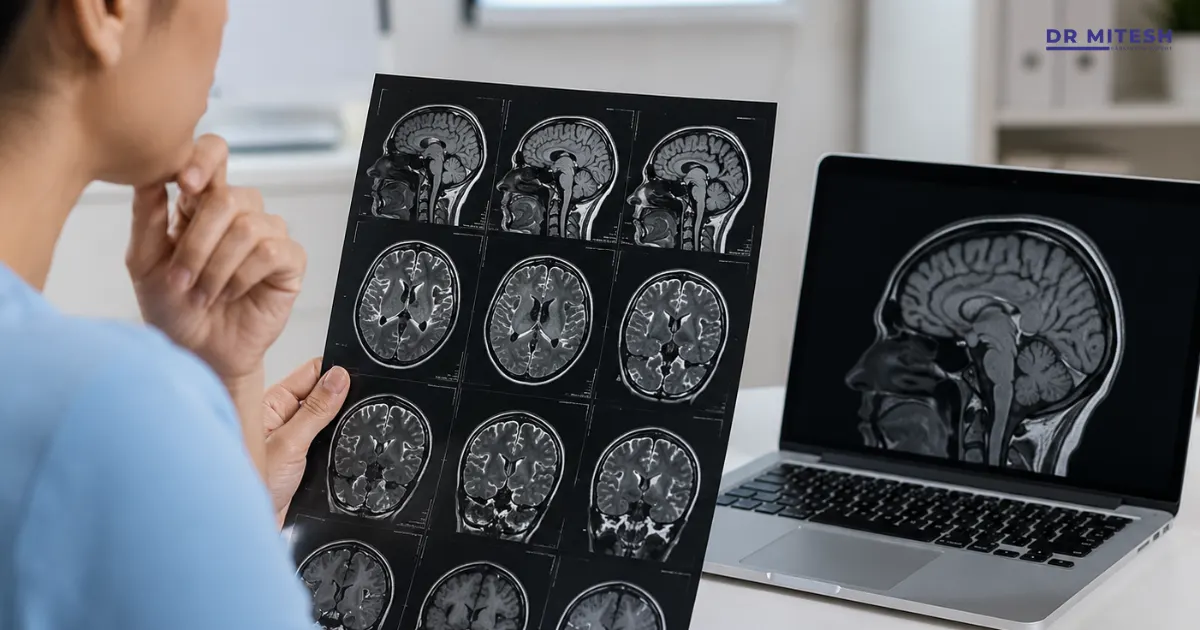

Mental health and brain health are deeply connected. While depression is commonly viewed as a mental health condition, recent research suggests that it may also be linked to underlying neurological changes. This blog explores the overlap between depression and neurological disorders, helping patients and families recognize when mood changes might signal something more than emotional distress.
What is Depression?
Depression is a mood disorder that affects how a person feels, thinks, and behaves. It can cause persistent feelings of sadness, hopelessness, and a lack of interest in daily activities.
- Common symptoms include fatigue, sleep disturbances, appetite changes, and difficulty concentrating
- May result from chemical imbalances, genetic predisposition, or external life events
- Can vary in severity from mild to severe, potentially leading to suicidal thoughts or behavior
- Often coexists with other medical or psychiatric conditions, making diagnosis more complex
- Diagnosed through clinical evaluation and patient history, sometimes supported by psychological testing
Learn More About What Is Neurological Fatigue and How to Avoid It?
Neurological Conditions That Mimic or Include Depression
Certain neurological disorders can present symptoms similar to depression or even cause depressive episodes as part of the disease progression. This overlap makes it essential to evaluate neurological health in persistent or treatment-resistant depression.
| Neurological Condition | How It Links to Depression | Key Indicators |
|---|---|---|
| Parkinson’s Disease | Depression occurs in up to 50% of patients due to dopamine deficiency and neurodegeneration | Worsened motor symptoms, fatigue, sleep issues |
| Alzheimer’s Disease & Dementia | Mood changes often appear before cognitive decline | Memory loss, confusion, personality changes |
| Multiple Sclerosis (MS) | Inflammation and brain lesions affect mood regulation | Fatigue, balance issues, emotional swings |
| Epilepsy | Depression may result from neurological disruption or medication effects | Anxiety, cognitive slowing, post-seizure fatigue |
| Stroke or Brain Injury | Structural and chemical brain changes can trigger mood disturbances | Speech or movement difficulties, irritability |
How Depression Affects the Brain
Scientific imaging and neurochemical research show that depression has measurable effects on the brain. These changes can impact both mood and cognition.
| Brain Region / Function | Effect of Depression |
|---|---|
| Hippocampus | Shrinks over time, affecting memory and emotional regulation |
| Prefrontal Cortex | Reduced activity leading to poor decision-making and concentration |
| Amygdala | Overactive, increasing fear, anxiety, and irritability |
| Neurotransmitters | Imbalance in serotonin, dopamine, and norepinephrine levels |
| Inflammatory Markers | Elevated cytokines contribute to brain fatigue and low mood |
Learn More About Chronic Headaches or Migraines? When to Consult a Neurologist.
Signs It Might Be More Than Just Depression
Knowing when Depression could be a symptom of a larger neurological problem is critical for early intervention and accurate diagnosis. Here are some red flags to watch for:
- Sudden or unusual onset of depressive symptoms without a clear psychological trigger
- Depression combined with memory loss, confusion, or speech difficulty
- Physical signs like tremors, imbalance, or muscle weakness
- Mood changes that follow a stroke, head injury, or diagnosis of a neurological disorder
- Resistance to conventional antidepressant medications
Diagnostic Approach: Mental Health vs Neurological Evaluation
Differentiating between psychiatric and neurological causes requires a thorough, multidisciplinary approach. Early referral to a neurologist is crucial when symptoms suggest a potential brain-based origin.
- Psychiatric Evaluation:
- Detailed personal and family mental health history
- Psychological questionnaires and interviews
- Screening for coexisting anxiety, PTSD, or bipolar disorder
- Neurological Evaluation:
- MRI or CT scans to detect brain structure abnormalities
- EEG to identify seizure activity or abnormal electrical patterns
- Blood tests to rule out metabolic or autoimmune causes
- Lumbar puncture or nerve conduction studies if applicable
Treatment Options When Depression and Neurology Intersect
A comprehensive treatment plan must address both mood symptoms and underlying neurological issues. Many patients benefit from a combination of medication, therapy, and neurological care.
- Medications:
- Antidepressants (SSRIs, SNRIs) can help with mood regulation
- Dopamine agonists may support mood in Parkinson’s-related depression
- Anti-inflammatory agents under research for neuroinflammation
- Psychotherapy:
- Cognitive Behavioral Therapy (CBT) for thought restructuring
- Supportive therapy to cope with neurological diagnoses
- Neurological Treatments:
- Disease-specific medications (e.g., MS-modifying therapy)
- Physical and occupational therapy to improve brain-body coordination
- Lifestyle Modifications:
- Regular exercise and balanced nutrition
- Social support groups and community activities
Learn More About Mirror Movements: What They Reveal About the Nervous System.
Supporting a Loved One Facing Both Depression and Neurological Issues
Family and caregivers play a vital role in managing the overlap between mental and neurological health. Compassionate support and informed action can significantly improve outcomes.
- Attend appointments and communicate openly with healthcare providers
- Monitor medication adherence and watch for side effects
- Encourage participation in social or cognitive activities
- Learn about the neurological disorder to better understand behavioral changes
- Seek counseling or respite care if caregiving becomes emotionally overwhelming
When to Consult a Neurologist
If a person shows signs of Depression along with any of the following symptoms, a neurological consultation should be considered:
- Progressive cognitive decline
- Unexplained physical symptoms (e.g., tremors, muscle stiffness)
- Recent head trauma or suspected stroke
- History of neurological illness in the family
- Lack of improvement with psychiatric treatment
Conclusion
Depression and neurological disorders often share symptoms, and in some cases, depression may be the first sign of a deeper neurological issue. Recognizing this connection can lead to more accurate diagnoses and more effective treatment. If you or someone you love is experiencing persistent or unusual mood changes, consider consulting a neurologist to explore all potential causes.
If your mind feels foggy, your emotions feel heavy, or treatments aren’t working as expected, don’t ignore the signs. The Best Neurologist can understand the link between brain and mood can help you take control of your well-being and rediscover mental clarity.
Authoritative Sources for Reference:
- Harvard Health Publishing – What Causes Depression?
- Healthline – Cognitive Behavioral Theory (CBT)
- Cleveland Clinic – Depression
- Mayo Clinic – Depression