
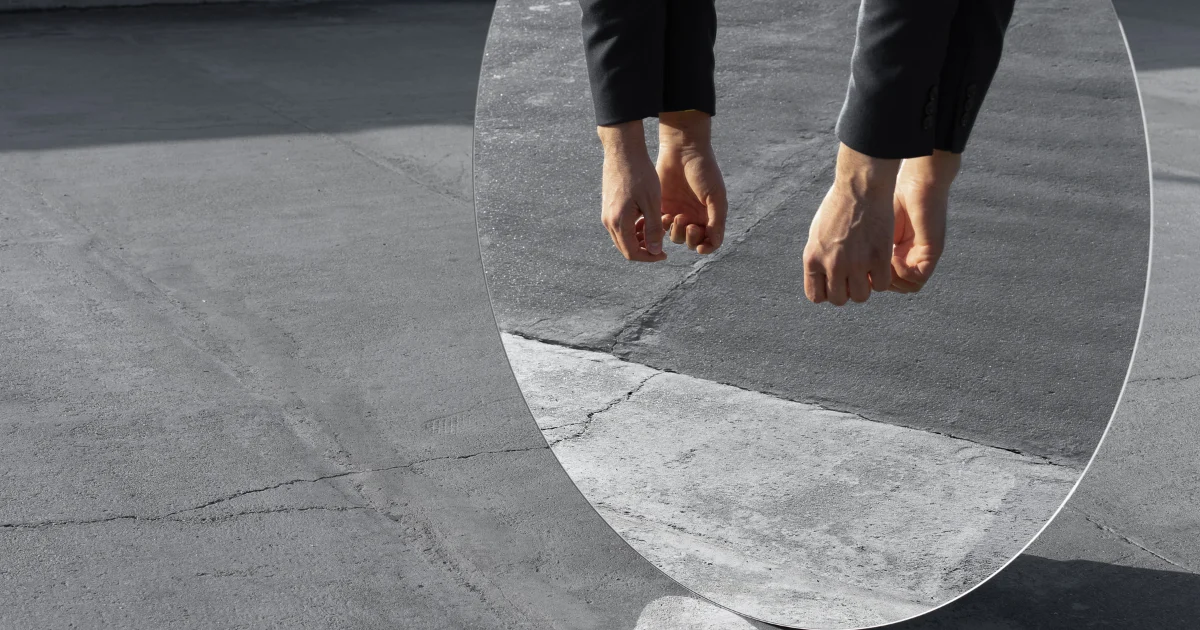
Mirror movements are involuntary movements on one side of the body that mirror voluntary movements on the opposite side. While they may seem benign, these movements can offer crucial insight into the functioning and health of the nervous system. Understanding mirror movements helps in identifying potential neurological conditions and refining diagnostic strategies. This blog explores the nature of mirror movements, what causes them, and how they relate to the central nervous system.
What Are Mirror Movements?
Mirror movements occur when voluntary movement on one side of the body results in involuntary, identical movement on the opposite side. These are most noticeable in the hands and fingers but can also occur in the arms and legs.
- Typically observed in children under age 10, where they are considered normal
- Persistence beyond childhood may suggest neurological issues
- Often subtle and may go unnoticed without clinical examination
- Can be congenital or acquired
- Indicative of issues in brain connectivity, particularly in the motor cortex
Learn More About Role of Genetics and Environmental Factors in Movement Disorders.
Causes of Mirror Movements
Mirror movements can be categorized based on whether they are congenital (present from birth) or acquired due to underlying medical conditions. Each category has distinct neurological implications.
- Congenital Mirror Movements:
- Often familial and genetically linked
- Related to improper development of motor pathways in the brain
- The corticospinal tract, which typically inhibits one side of the body, may be underdeveloped
- Acquired Mirror Movements:
- May arise after a stroke, brain injury, or neurodegenerative disease
- Often indicate damage to the brain’s inhibitory motor pathways
- Can be linked to conditions like Parkinson’s disease or cerebral palsy
- Functional Mirror Movements:
- Sometimes appear in the absence of structural brain damage
- Thought to be linked to functional neurological disorders
Mirror Movements in Children vs. Adults
The occurrence and implications of mirror movements vary significantly depending on the age group.
- In Children:
- Common in early development due to immature neural pathways
- Typically resolve by age 10 as the nervous system matures
- Persistent mirror movements may suggest a developmental disorder
- In Adults:
- Unusual and often pathological
- May be a sign of neurodegenerative disease or brain injury
- Requires further neurological evaluation
Learn More About Common Myths About Parkinson’s Disease Busted.
Neurological Conditions Associated with Mirror Movements
Persistent or exaggerated mirror movements in adults may be associated with specific neurological conditions.
- Parkinson’s Disease:
- May exhibit this movements during voluntary hand tasks
- Often correlates with asymmetry in motor symptoms
- Cerebral Palsy:
- Common in individuals with hemiplegia
- Results from impaired development of inhibitory brain circuits
- Klippel-Feil Syndrome:
- Congenital disorder with fused cervical vertebrae
- Often accompanied by mirror movements in the upper limbs
- Stroke and Brain Injury:
- Mirror movements may emerge during recovery
- Reflects compensatory or maladaptive neural plasticity
Learn More About Bradykinesia Treatment: Effective Strategies and Solutions.
Diagnostic Tools and Evaluation
Identifying mirror movement involves both physical examination and neuroimaging. Neurologists assess these movements to better understand underlying neural connectivity.
- Clinical Observation:
- Patients are asked to perform repetitive movements (e.g., finger tapping)
- Opposite limb is observed for involuntary motion
- Electromyography (EMG):
- Measures muscle activity
- Can quantify the extent of mirroring
- Functional MRI (fMRI):
- Assesses brain activity during motor tasks
- Identifies cross-hemisphere activation
- Genetic Testing:
- Useful in suspected congenital cases
- Helps identify mutations affecting motor development
Treatment Options and Management
There is no one-size-fits-all treatment for mirror movement. The approach depends on the cause and severity.
- Physical Therapy:
- Improves motor coordination
- Trains the brain to isolate movements on one side
- Occupational Therapy:
- Focuses on enhancing daily functional tasks
- Encourages use of affected limbs independently
- Medication:
- Not typically used unless related to a broader neurological condition
- Parkinson’s-related mirror movements may respond to dopaminergic therapy
- Surgical Intervention:
- Rare and generally not indicated solely for mirror movement
Learn More About Tremors: Causes, Symptoms, and Treatment.
Coping Strategies and Support
Patients and caregivers can use various strategies to manage mirror movement and their impact on daily life.
- Use of adaptive tools to aid with fine motor tasks
- Encouragement and reassurance to reduce performance anxiety
- Joining support groups for conditions like Parkinson’s or cerebral palsy
- Collaboration with neurologists and therapists for a tailored care plan
Mirror Movements and Brain Plasticity
One of the most fascinating aspects of mirror movement is their link to brain plasticity. These involuntary actions may reflect the brain’s ability to rewire itself in response to injury or developmental irregularities.
- Positive plasticity can lead to recovery post-stroke
- Negative plasticity might reinforce abnormal movement patterns
- Therapies aim to guide plasticity toward functional improvements
When to Seek Medical Attention
If mirror movement persist beyond childhood or suddenly appear in adulthood, a thorough neurological evaluation is recommended.
- New onset of mirror movements in one limb
- Changes in coordination, balance, or speech
- Family history of genetic neurological disorders
- Symptoms accompanying known neurological diagnoses
Conclusion
Mirror movement offers a unique lens through which neurologists can assess the integrity and coordination of the nervous system. Whether present in childhood or acquired in adulthood, these involuntary actions often signal underlying issues in neural communication. Timely diagnosis and intervention can significantly improve outcomes, especially when these movements are linked to treatable neurological conditions.
At leading specialized centers, the Best Neurologist offers in-depth assessments for conditions like mirror movements and other complex motor disorders. Understanding mirror movements goes beyond mere curiosity, it’s a crucial step toward more accurate diagnoses and advanced neurological care.
Authoritative References
- Wikipedia – Congenital Mirror Movement Disorder
- National Library of Medicine – Mirror Movement
- Medline Plus – Mirror Movement Disorder