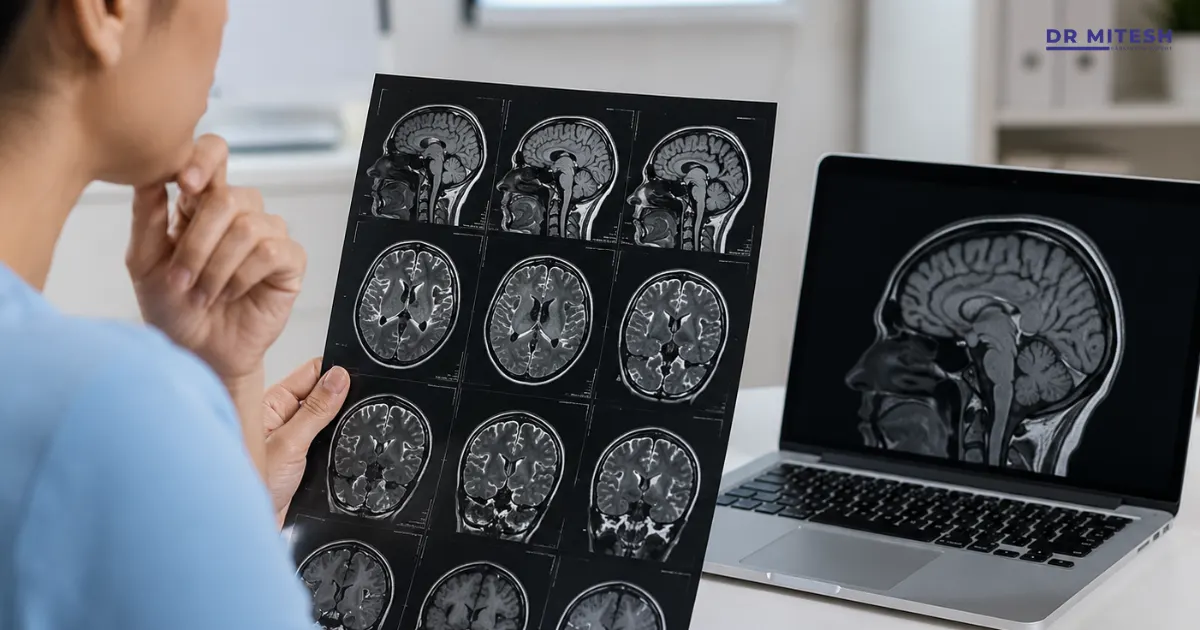

Movement disorders are a group of neurological conditions that affect the speed, fluency, coordination, or ease of body movements. These disorders may present as tremors, slowness, stiffness, involuntary jerking, or abnormal postures. Common examples include Parkinson’s disease, dystonia, essential tremor, Tourette syndrome, and Huntington’s disease.
While the outward symptoms of these disorders are often visible and well-studied, the underlying causes are complex a combination of genetic factors and environmental influences. In recent years, researchers have made significant progress in identifying genetic mutations and environmental exposures that increase the risk of movement disorders. However, in many cases, it is the interaction between both factors that contributes to disease development.
This blog explores how genetics and environmental triggers play a role in the development of movement disorders, offering insight into how this knowledge can improve diagnosis, treatment, and prevention strategies.
What Are Movement Disorders?
Movement disorders are neurological conditions that impair voluntary or involuntary movement. These can involve too much movement (hyperkinetic) or too little movement (hypokinetic).
Common Types of Movement Disorders Include:
- Parkinson’s disease – Slowness, stiffness, tremor, and postural instability
- Essential tremor – Rhythmic shaking, often in the hands
- Dystonia – Sustained or repetitive muscle contractions causing abnormal postures
- Chorea and Huntington’s disease – Sudden, dance-like involuntary movements
- Myoclonus – Quick, shock-like jerks
- Tics and Tourette syndrome – Sudden, repetitive movements or vocal sounds
Learn More About Parkinson’s and Gut Health: The Connection and Its Impact.
Role of Genetics in Movement Disorders
Genetics plays a significant role in Movement Disorders, especially those that occur early in life or run in families. Specific gene mutations have been identified that either cause or increase susceptibility to these conditions.
How Genetics Contribute to Movement Disorders:
- Monogenic disorders: A single gene mutation causes the condition (e.g., Huntington’s disease)
- Polygenic risk: Multiple small genetic variations increase risk (e.g., Parkinson’s disease)
- Inherited patterns: Conditions can be dominant, recessive, or mitochondrial in inheritance
- Gene-environment interaction: Genes may increase vulnerability to environmental triggers
Examples of Genetic Links:
- Huntington’s Disease: Caused by a mutation in the HTT gene
- Parkinson’s Disease: Associated with mutations in LRRK2, PARK7, PINK1, SNCA, and GBA genes
- Dopa-responsive Dystonia (DRD): Linked to mutations in the GCH1 gene
- Wilson’s Disease: A genetic disorder of copper metabolism (ATP7B gene) that can cause dystonia and tremors
Genetic testing is especially useful in early-onset or familial cases, and may help in counseling, predicting disease progression, and guiding treatment.
Learn More About Is Parkinson’s Genetic? Genetics Behind Parkinson’s Disease.
Environmental Factors That Influence Movement Disorders
While genes lay the foundation, environmental exposures often act as triggers or accelerators of movement disorders. Some individuals with genetic predispositions may never develop symptoms unless exposed to certain environmental stressors.
Key Environmental Triggers Include:
- Pesticide exposure – Linked to increased Parkinson’s risk
- Heavy metals (e.g., manganese, lead) – May affect basal ganglia function
- Head trauma – Repeated brain injuries can increase Parkinsonian symptoms
- Viral infections – Some infections may trigger immune responses affecting the brain
- Medications – Antipsychotics and antiemetics may cause drug-induced Parkinsonism or dystonia
- Illicit drug use – Can lead to movement complications such as chorea or tics
Lifestyle Factors Also Matter:
- Diet and nutrition: Deficiencies in B12 or Vitamin D may worsen neurological symptoms
- Smoking and alcohol use: Associated with mixed effects on different disorders
- Physical activity: Low activity levels can increase risk or worsen symptoms
Learn More About Parkinson’s and Mental Health: Link and Getting Help.
Gene-Environment Interaction in Movement Disorders
The relationship between genetics and environment is not either-or, it’s interactive. A person may carry a genetic mutation but never develop symptoms unless exposed to a specific environmental factor.
Real-World Examples of Interaction:
- A person with LRRK2 mutation may only develop Parkinson’s after prolonged pesticide exposure
- Essential tremor may worsen with caffeine or alcohol use in genetically predisposed individuals
- Trauma or viral infection could unmask dystonia in someone with a silent gene mutation
Understanding this interaction helps individualize prevention strategies and improve early diagnosis.
Can Movement Disorders Be Prevented?
Although genetic predispositions cannot be changed, lifestyle and environmental modifications can help lower the risk or delay the onset of symptoms, especially in individuals at high genetic risk.
Tips to Minimize Risk or Delay Onset:
- Limit pesticide exposure especially in rural or agricultural areas
- Avoid head trauma wear helmets and protective gear when necessary
- Maintain a brain-healthy diet rich in antioxidants, omega-3s, and whole grains
- Regular physical activity shown to reduce Parkinson’s progression
- Monitor medication use avoid drugs known to affect dopamine unless prescribed
- Stay cognitively and socially active especially in aging adults
Learn More About Role of Neurotransmitters in Parkinson’s Disease.
Is Genetic Testing Recommended?
Genetic testing is not routinely recommended for everyone with a movement disorder. However, it may be advised in certain cases:
Who Should Consider Genetic Testing?
- Patients with early-onset Parkinson’s (before age 50)
- Those with a strong family history of movement disorders
- Patients with unexplained or atypical symptoms
- Individuals planning children and concerned about inherited conditions
- When specific treatments are linked to a genetic profile
Genetic counselling is recommended before and after testing to help interpret results and understand implications.
How This Knowledge Helps in Treatment and Research
Understanding the genetic and environmental roots of movement disorders not only helps in diagnosis but also guides personalized treatment.
Benefits of Genetic and Environmental Insights:
- Targeted therapies for specific mutations (e.g., GBA-targeted Parkinson’s research)
- Precision medicine, choosing the right drug for the right patient
- Disease modeling in labs for new drug development
- Informed family planning and genetic counseling
- Awareness of modifiable risk factors to prevent or delay onset
Future research aims to combine genetic markers, imaging, and digital tools to predict movement disorders before symptoms appear.
Learn More About Common Myths About Parkinson’s Disease Busted.
When to See a Movement Disorder Specialist
If you or a loved one is experiencing:
- Tremors or jerky movements
- Muscle stiffness or unusual postures
- Slowed movement or frequent falls
- Facial tics or vocal sounds
- Sudden change in coordination
…it’s time to consult a Movement Disorder Specialist. Early evaluation can lead to better management and improved quality of life.
Conclusion: It’s Not Just Genes or Environment, It’s Both
The development of movement disorders is rarely the result of one factor alone. While genetics set the stage, environmental triggers, lifestyle choices, and medical history often determine how and when symptoms appear. Understanding this complex interplay allows doctors and patients to take proactive steps toward early detection, personalized treatment, and prevention.
Whether you have a family history or are facing symptoms for the first time, don’t wait. An expert neurologist can help untangle the cause and guide you toward effective management.
Authoritative References
- Science Direct – Hyperkinetic Disorder
- Wikipedia – Hypokinetic Disorder
- Mayo Clinic – Movement Disorders
- National Library of Medicine – Genetic and Environment interaction