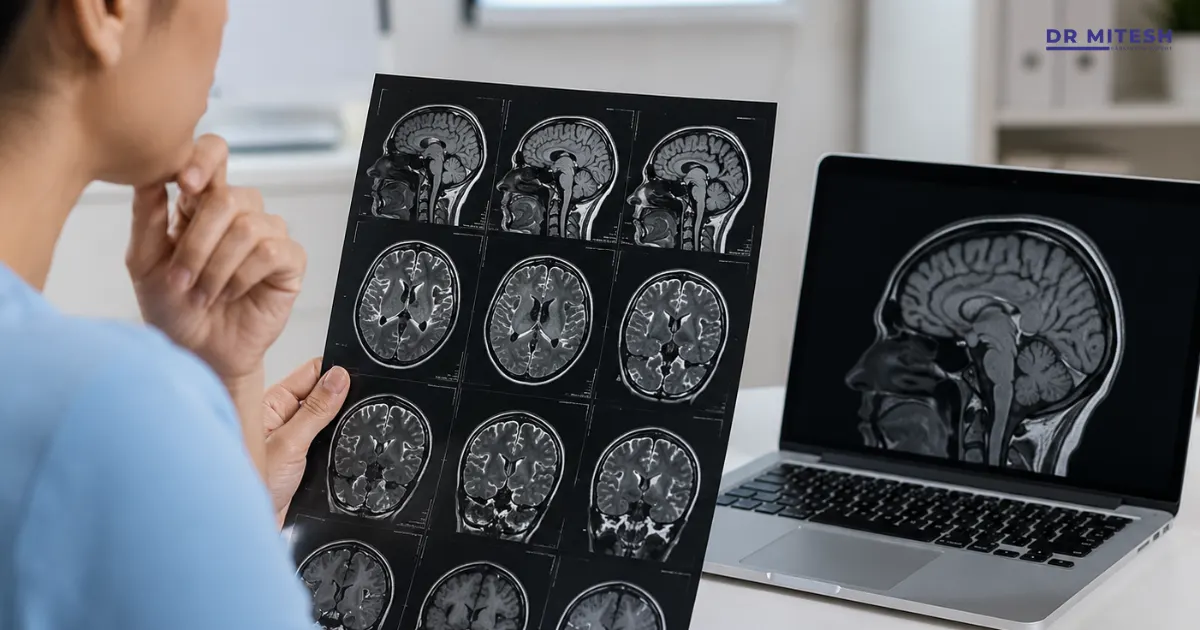

Parkinson’s Disease is a progressive neurological condition that affects movement, balance, speech, and other vital functions. Despite growing awareness, many misconceptions about Parkinson’s Disease persist, leading to confusion, stigma, and even delays in diagnosis or treatment.
People often assume that tremors are the only symptom, or that the condition affects only the elderly. Others worry that there is no hope once diagnosed. These myths can prevent individuals and families from seeking help early and may discourage patients from living active, fulfilling lives.
In this blog, we aim to debunk the most common myths about Parkinson’s Disease, explain the facts with clarity, and offer actionable insights to patients, caregivers, and the general public.
Myth 1: Parkinson’s Disease Only Affects Older People
While Parkinson’s is more common in people over the age of 60, it’s a myth that it only affects the elderly.
Facts:
- Around 10-20% of Parkinson’s patients are diagnosed before the age of 50, a condition called Young-Onset Parkinson’s Disease (YOPD)
- Some cases have been reported in individuals as young as their 30s
- Early signs may include subtle changes in handwriting, mood, or gait not just tremors
Learn More About Early-Onset Parkinson’s: Living with Parkinson’s Before 50.
Takeaway: If you’re experiencing symptoms such as stiffness, tremor, or slowness, even at a younger age consult a Neurologist early.
Myth 2: Tremor Is the Only Symptom of Parkinson’s
Tremor is one of the hallmark symptoms, but Parkinson’s Disease is much more than shaking hands.
Facts:
- Parkinson’s includes motor symptoms like rigidity, slowness, balance issues
- Also causes non-motor symptoms like depression, anxiety, sleep disturbances, constipation, and cognitive changes
- Some people may never develop tremors
Takeaway: Early diagnosis requires awareness of both motor and non-motor symptoms, even those unrelated to movement.
Myth 3: Parkinson’s Disease Is Fatal
One of the most damaging myths is that Parkinson’s is a death sentence. This is not true.
Facts:
- Parkinson’s Disease is not directly fatal
- With proper treatment and lifestyle management, many people live for decades after diagnosis
- The disease affects quality of life, but not necessarily lifespan
- Risks arise from complications like falls, pneumonia, or medication side effects, not the disease itself
Takeaway: Parkinson’s is a manageable condition, and early, ongoing care significantly improves outcomes.
Myth 4: Parkinson’s Medications Stop Working Over Time
Many patients worry that medications like Levodopa will eventually become useless, but this belief is often misunderstood.
Facts:
- Medications do not stop working; the disease continues to progress, requiring dose adjustments
- Some patients may experience “wearing-off” effects, but this can be managed with combination therapy
- Treatment options like Deep Brain Stimulation (DBS) can help when medications are less effective
Learn More About Deep Brain Stimulation (DBS): Who Should Consider It?
Takeaway: Ongoing collaboration with your neurologist helps optimize medication at each stage of the disease.
Myth 5: There Is No Hope Without a Cure
While there is no cure for Parkinson’s Disease yet, it is incorrect to assume that nothing can be done.
Facts:
- Early diagnosis and treatment help control symptoms effectively
- Non-medication therapies such as physiotherapy, speech therapy, and occupational therapy can improve quality of life
- Botulinum toxin injections, assistive devices, and lifestyle changes offer added relief
- Ongoing research in biomarkers and neuroprotective treatments is promising
Takeaway: While a cure is not available yet, there are many evidence-based options to live well with Parkinson’s.
Myth 6: Parkinson’s Is Just a Movement Disorder
It’s common to think Parkinson’s affects only the motor system, but the disease is deeply complex.
Facts:
- Non-motor symptoms can precede movement issues by years
- Includes mood changes, sleep disorders, fatigue, pain, bladder issues, and cognitive decline
- In some patients, non-motor symptoms cause greater distress than tremors or slowness
Learn More About What Is Neurological Fatigue and How to Avoid It?
Takeaway: Parkinson’s is a whole-body disorder. Comprehensive care must include mental, emotional, and cognitive support.
Myth 7: All Tremors Are Parkinson’s
Just because someone has a tremor doesn’t mean they have Parkinson’s Disease.
Facts:
- Tremors can also result from Essential Tremor, anxiety, thyroid issues, or medication side effects
- Parkinson’s tremor is typically resting tremor, it occurs when the hand is still
- Essential Tremor is action tremor, usually worse with movement
Takeaway: Proper diagnosis from a Movement Disorder Specialist is crucial for correct treatment.
Myth 8: Parkinson’s Is Always Inherited
Some believe that Parkinson’s Disease is purely genetic and if no one in the family has it, they’re not at risk.
Facts:
- About 10-15% of cases are linked to inherited genetic mutations
- Most cases are sporadic and occur without family history
- Environmental factors (like pesticide exposure or head trauma) may also play a role
Learn More About Role of Genetics and Environmental Factors in Movement Disorders.
Takeaway: Family history may increase risk, but Parkinson’s can occur in anyone.
Myth 9: Exercise Worsens Parkinson’s
Some patients fear that exercise may make symptoms worse, but this is a damaging misconception.
Facts:
- Regular exercise is one of the best non-drug therapies for Parkinson’s.
- Helps with mobility, balance, posture, mood, and even slows disease progression.
- Activities like yoga, tai chi, cycling, and walking are highly recommended.
Learn More About Exercise for Parkinson’s Patients.
Takeaway: Movement helps with Parkinson’s. Under supervision, exercise is safe and beneficial.
Myth 10: Only Men Get Parkinson’s Disease
It’s true that Parkinson’s is slightly more common in men, but women can and do develop the disease.
Facts:
- Around 40% of Parkinson’s patients are women
- Symptoms in women may be underreported or misdiagnosed
- Hormonal differences can influence symptom severity and treatment response
Takeaway: Parkinson’s affects both genders and must be managed with a personalized approach.
When Should You See a Neurologist?
If you or a loved one is experiencing:
- Tremor in the hand or fingers at rest
- Stiffness or slowness of movement
- Small handwriting or soft voice
- Trouble with balance or posture
- Sudden mood or sleep changes
…it’s time to consult a the Best Neurologist.
Conclusion: Parkinson’s Myths Hurt Patients Facts Empower Them
Parkinson’s Disease is a challenging condition, but it is far from hopeless. Misinformation adds fear, shame, and unnecessary delays in care. By debunking these common myths, we hope to promote early diagnosis, accurate treatment, and a better quality of life for those living with Parkinson’s and their caregivers.
Remember, knowledge is power and in the case of Parkinson’s Disease, it can make a real difference in outcomes.
Authoritative References
- Parkinson’s Foundation – Young onset Parkinson’s Disease
- Parkinson’s Foundation – Motor and Non-motor Symptoms
- Johns Hopkins – Non-drug therapies