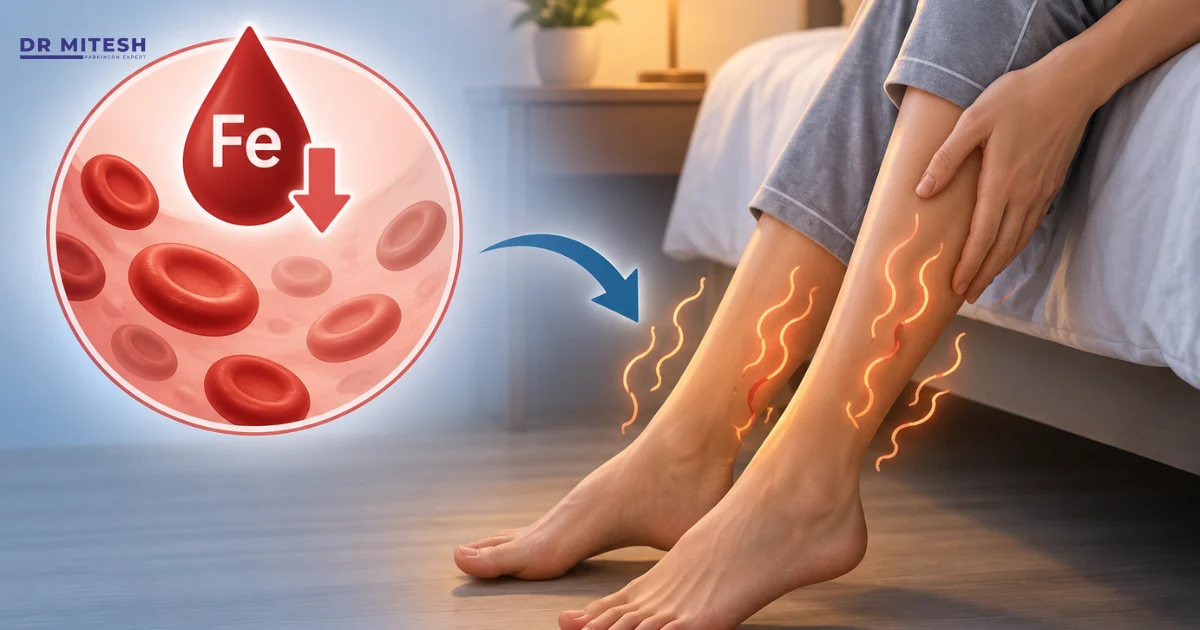

Parkinson’s Disease is a chronic neurological disorder that affects movement, coordination, and many non-motor functions. While medications like Levodopa offer significant relief from symptoms, patients may experience periods during the day when their medications wear off or stop working effectively. These fluctuations in symptom control are known as “off” episodes.
“Off” episodes can be distressing, especially when they happen suddenly. Patients might feel a return of tremors, stiffness, slowness, or even non-motor symptoms like anxiety or fatigue. Understanding what causes these episodes and how to manage them can greatly improve quality of life for individuals living with Parkinson’s Disease.
In this blog, we’ll break down what “off” episodes are, why they occur, common symptoms, and most importantly, how to manage them with medical, behavioural, and lifestyle strategies.
What are “Off” Episodes in Parkinson’s Disease?
An “off” episode refers to a period when Parkinson’s symptoms return or worsen because the effects of medication have worn off. These episodes usually occur in patients who have been taking Levodopa or dopamine agonists for several years.
Types of “Off” Episodes Include:
- Wearing-off: Gradual return of symptoms before the next dose
- Delayed-on: Slower response to a dose of medication
- Dose failure: A dose that has little or no effect
- Sudden “off”: An abrupt and unpredictable loss of medication benefit
Common “Off” Episode Symptoms:
- Tremor or hand shaking
- Stiffness in arms or legs
- Slowness of movement (bradykinesia)
- Trouble walking or freezing of gait
- Anxiety, fatigue, or low mood
- Trouble speaking or swallowing
Learn More About Role of Neurotransmitters in Parkinson’s Disease.
What Causes “Off” Episodes?
As Parkinson’s Disease progresses, the brain loses more dopamine-producing neurons. Over time, oral medications become less effective, or their benefits don’t last as long. This leads to fluctuating control of symptoms.
Key Causes of “Off” Episodes:
- Progression of disease – fewer dopamine neurons to process medications
- Short half-life of Levodopa – wears off quickly
- Inconsistent absorption in the gut
- Dietary protein interference with medication uptake
- Delayed gastric emptying – common in Parkinson’s
- Poor adherence to medication schedule
Other Contributing Factors:
- Illness or infections
- Emotional stress
- Dehydration or constipation
- Taking medication with a heavy meal
Learn More About How Soon Should Parkinson’s Treatment Begin? Why Early Care Matters.
Diagnosing and Tracking “Off” Episodes
It is essential for doctors to assess your symptom patterns throughout the day. Keeping a symptom diary or using mobile apps to track your motor and non-motor fluctuations can help your neurologist understand the severity and timing of “off” periods.
What You Should Track:
- What time you take your medication
- When symptoms begin and end
- What symptoms return (motor vs. non-motor)
- What activities or meals precede the episode
- Emotional state or stress levels
How Are “Off” Episodes Managed?
Management of “off” episodes requires a comprehensive approach, including medication adjustments, lifestyle changes, and therapy. The goal is to reduce the duration, frequency, and severity of these fluctuations.
1. Medication Strategies
A Neurologist may adjust the type, dose, or timing of your medications to reduce “off” time.
Options Include:
- Fractionating Levodopa doses (smaller, more frequent doses)
- Adding COMT inhibitors (e.g., Entacapone) to prolong Levodopa effect
- Using MAO-B inhibitors (e.g., Rasagiline) to reduce dopamine breakdown
- Dopamine agonists to supplement dopamine function
- Switching to extended-release formulations
- Apomorphine injections or pumps for rescue therapy
2. Surgical Options: Deep Brain Stimulation (DBS)
If medication adjustments are not effective, DBS surgery may be recommended for patients with severe motor fluctuations.
Benefits of DBS in Reducing “Off” Time:
- Stabilizes motor symptoms
- Reduces need for frequent medications
- Improves quality of life
- Effective in patients with long-term Parkinson’s Disease
Learn More About What causes Muscle Rigidity in Parkinson’s and How is it Treated?
3. Dietary and Lifestyle Changes
Diet can directly affect how your body absorbs Parkinson’s medications.
Tips to Reduce “Off” Episodes Through Nutrition:
- Avoid high-protein meals around medication times
- Take Levodopa on an empty stomach if tolerated
- Stay hydrated throughout the day
- Eat fiber-rich foods to prevent constipation and enhance absorption
- Avoid large, heavy meals that delay gastric emptying
Learn More About Nutrition Tips for Parkinson’s Patients: Essential Guidelines for Better Health.
4. Physical and Occupational Therapy
Therapists can teach strategies to overcome symptoms that appear during “off” periods.
Helpful Techniques Include:
- Cueing strategies for freezing (visual, auditory cues)
- Balance and gait training
- Postural exercises to reduce stiffness
- Energy conservation techniques to manage fatigue
- Use of assistive devices for mobility
Learn More About Exercise for Parkinson’s Patients.
5. Patient and Caregiver Education
Understanding what “off” periods are and how to respond can prevent panic and accidents.
Tips for Patients and Families:
- Don’t skip or delay doses
- Communicate changes in symptoms promptly
- Keep a diary to track patterns
- Avoid operating vehicles or heavy machinery during “off” times
- Train caregivers to provide support during sudden “off” episodes
When Should You See a Neurologist?
If you are:
- Experiencing frequent or prolonged “off” episodes
- Not responding well to current medications
- Having unpredictable symptom fluctuations
- Feeling more anxious or frustrated due to return of symptoms
…it’s time to see a Parkinson’s specialist.
Conclusion: You Don’t Have to Live with “Off” Time
“Off” episodes are a frustrating but manageable part of Parkinson’s Disease. With early detection, personalized medication plans, lifestyle adjustments, and advanced therapies like DBS, patients can significantly reduce the burden of these episodes and maintain a better quality of life.
If you or your loved one is struggling with motor fluctuations, don’t wait. Movement Disorder Specialist can guide you through practical solutions tailored to your condition. Parkinson’s disease off episodes management.
Authoritative References
- Wikipedia – Levodopa
- Parkinson’s Foundation – off episode in Parkinson’s
- Parkinson’s Foundation – MAO-B inhibitors
- Parkinson’s Foundation – Postural Exercises