Parkinson’s disease is a long-term brain condition that affects movement, balance, and daily activities. When someone is diagnosed, one question often comes up again and again: Is there a Parkinson’s cure? Patients and families want clear, honest answers without false hope, but also without unnecessary fear.
In this blog, we explain where science stands today, what current treatments can realistically do, and what researchers are working on for the future. The goal is to help you understand Parkinson’s disease treatment options in simple language and make informed decisions with confidence.
Understanding Parkinson’s Disease in Simple Terms
Parkinson’s disease happens when certain brain cells that produce dopamine slowly reduce in number. Dopamine is important for smooth, controlled movement.
Common symptoms include
- Slowness of movement
- Stiffness in the body
- Tremor in hands or legs
- Balance problems
- Changes in walking and posture
Over time, some people may also experience non-movement symptoms such as sleep issues, mood changes, or constipation.
Important point: Parkinson’s is a progressive condition, meaning symptoms can change gradually over years.
Is There a Parkinson’s Cure Today?
At present, there is no permanent Parkinson’s cure that can completely stop or reverse the disease. However, this does not mean nothing can be done.
What science can do today
- Control symptoms effectively
- Improve quality of life
- Help people remain independent for many years
- Slow functional decline in many patients
So while a complete cure is not yet available, Parkinson’s disease treatment has advanced significantly.
How Parkinson’s Medication Helps
Most treatments focus on replacing or supporting dopamine in the brain.
Role of Parkinson’s medication
- Reduces stiffness and slowness
- Improves walking and daily activities
- Helps manage tremor in many patients
- Allows better participation in work and social life
Key things patients should know
- Medicines treat symptoms, not the root cause
- Doses often need adjustment over time
- Response to treatment is different for each person
With proper guidance, Parkinson’s medication can remain effective for many years.
Beyond Medicines: Modern Treatment Approaches
Parkinson’s disease treatment is not limited to tablets alone.
Other important treatment options
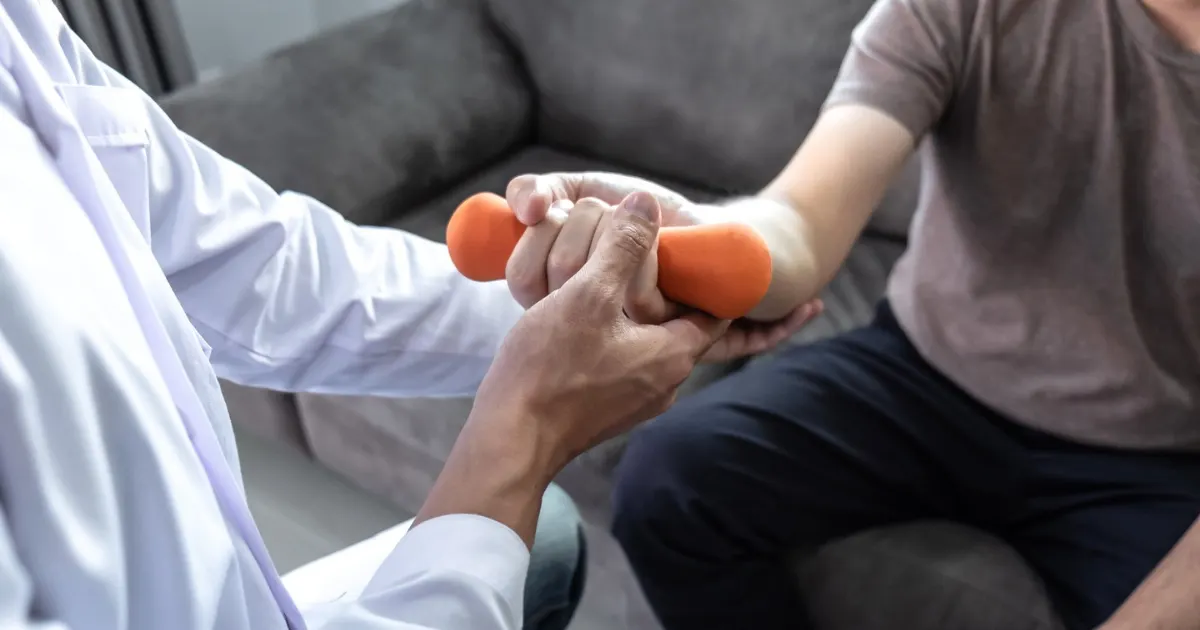
- Physiotherapy: Improves balance, flexibility, and walking
- Speech therapy: Helps with soft voice or swallowing issues
- Occupational therapy: Supports daily activities and independence
- Lifestyle changes: Exercise, sleep, and nutrition play a big role
These Parkinson’s disease therapy work alongside medication, not as replacements.
Advanced Treatments for Parkinson’s Disease
When medicines alone are not enough, advanced options may be considered.
Examples
- Deep Brain Stimulation (DBS):
- A surgical treatment for selected patients
- Helps control tremor, stiffness, and fluctuations
- Does not cure Parkinson’s, but improves symptoms
- Infusion therapies:
- Continuous delivery of medication
- Helps in advanced stages with severe fluctuations
These options are carefully chosen based on individual needs.
Why Finding a Parkinson’s Cure Is So Challenging
Parkinson’s disease is complex.
Reasons it’s difficult to cure
- Multiple brain pathways are involved
- Symptoms appear after significant cell loss has already occurred
- Different patients have different disease patterns
- Genetic and environmental factors both play roles
Because of this complexity, one single “magic cure” is unlikely but combination approaches hold promise.
Current Research: Where Science Is Heading
Even though a Parkinson’s cure does not yet exist, research is moving steadily forward.
Key areas scientists are exploring
- Disease-modifying treatments: Medicines that may slow progression
- Gene-based therapies: Targeting genetic forms of Parkinson’s
- Stem cell research: Replacing damaged dopamine cells
- Immune-based approaches: Reducing harmful brain inflammation
- Early detection tools: Identifying Parkinson’s before major symptoms begin
Many of these are still in clinical trials, but results are encouraging.
Stem Cell Therapy: Hope or Hype?
Stem cells are often discussed as a future Parkinson’s cure.
What we know so far
- Research is ongoing and promising
- Still experimental in most settings
- Not yet a standard or proven cure
- Needs strict regulation and expert oversight
Patients should be cautious of clinics making unrealistic claims. Stem cell therapy research for Parkinson’s
Can Parkinson’s Disease Be Prevented?
Currently, there is no guaranteed way to prevent Parkinson’s disease.
However, research suggests
- Regular physical activity may lower risk
- Healthy diet supports overall brain health
- Managing chronic conditions like diabetes and blood pressure helps
- Avoiding unnecessary exposure to toxins may be beneficial
These steps support brain health but are not proven cures.
Living Well Without a Cure: What Really Matters
Even without a Parkinson’s cure, many people live fulfilling lives for decades.
What makes the biggest difference
- Early and accurate diagnosis
- Regular follow-up with a neurologist
- Personalized Parkinson’s disease treatment plan
- Support from family and caregivers
- Staying active physically and mentally
Quality of life often depends more on care quality than on the disease itself.
Common Myths About Parkinson’s Cure
Let’s clear some confusion.
❌ “If medicines stop working, nothing can be done”
❌ “Parkinson’s always worsens quickly”
❌ “Surgery means the disease is cured”
❌ “Alternative therapies can replace medical treatment”
✅ Truth: Parkinson’s disease treatment continues to evolve, and care options expand over time.
What Patients Should Expect in the Near Future
While a complete Parkinson’s cure may still take time, the future looks hopeful.
What’s likely in coming years
- Better symptom control with fewer side effects
- More personalized Parkinson’s medication plans
- Earlier diagnosis and intervention
- Treatments that slow progression in selected patients
Step-by-step progress matters, even if it’s not a single cure.
Frequently Asked Questions (FAQs)
1. Is there any permanent Parkinson’s cure available today?
No. Current treatments manage symptoms but do not permanently cure the disease.
2. Can Parkinson’s medication stop disease progression?
Medicines mainly control symptoms. Research is ongoing to find treatments that slow progression.
3. Does surgery cure Parkinson’s disease?
No. Surgery like DBS improves symptoms but does not stop the disease process.
4. Are new treatments expected soon?
Yes. Several promising therapies are in advanced research and clinical trials.
5. Can people with Parkinson’s live a normal life?
Many people live active, meaningful lives for years with proper treatment and support.
Conclusion
So, where does the idea of a Parkinson’s cure stand today? Science has not yet found a single treatment that permanently cures Parkinson’s disease. However, modern medicine offers powerful tools to control symptoms, improve independence, and significantly enhance quality of life.
With ongoing research, the future holds real hope not through sudden breakthroughs alone, but through steady progress in Parkinson’s medication and treatment strategies. The most important step for patients is timely diagnosis, consistent follow-up, and personalized care.
Consulting Parkinson’s Specialist in Ahmedabad ensures access to evidence-based treatment, emerging options, and long-term guidance. While science continues its search for a cure, expert care today can make living with Parkinson’s far more manageable and meaningful.
Authoritative References
- NHS UK – Parkinson’s disease therapy
- Parkinson’s Foundation – Stem cell therapy research for Parkinson’s