Seeing someone shout, punch, kick, or jump out of bed in the middle of the night can be frightening. Many families assume that such behaviors mean the person has a Mental Illness or a psychological problem. But in reality, these nighttime actions are usually linked to a sleep condition called REM Sleep Behavior Disorder (RBD) not a psychiatric issue.
RBD causes people to act out their dreams physically, often without any awareness. It is a neurological sleep disorder, not an emotional or mental disorder. Understanding it early helps reduce fear, prevent injuries, and ensure proper treatment.
In this blog, you will learn what RBD is, how it differs from mental health conditions, why acting out dreams happens, and when you should seek help.
What Exactly Is RBD? A Simple Explanation
RBD stands for REM Sleep Behavior Disorder. It occurs during the phase of sleep called REM (Rapid Eye Movement), when dreaming is most active.
Normally, the brain switches on “muscle paralysis” during REM sleep. This prevents you from moving while dreaming.
In people with RBD:
- This paralysis does not happen
- The brain signals muscles to move
- The body physically acts out the dream
Common dream-acting behaviors
- Talking, shouting, or screaming
- Sudden arm or leg movements
- Punching or kicking
- Jumping or falling out of bed
- Trying to run or fight
- Grabbing things
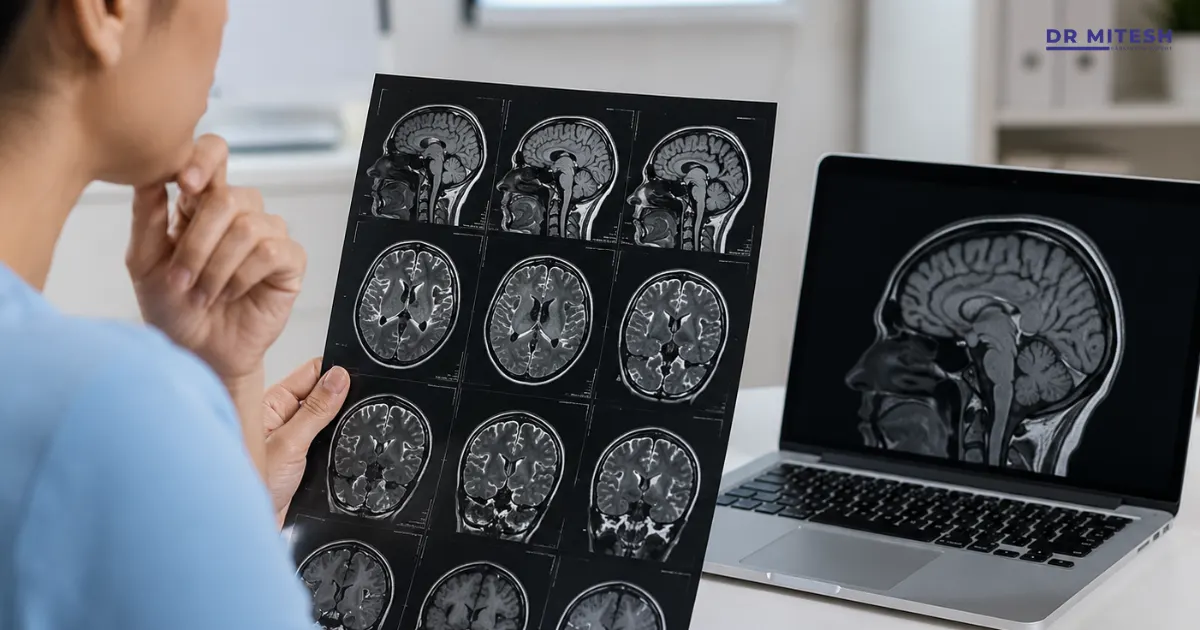
RBD is not caused by stress or any form of psychiatric disorder. It is a neurological condition involving the sleep-control areas of the brain.
Learn More About Kicking or Punching in Sleep: Is It RBD and Is It Dangerous?
Why RBD Is Not a Mental Illness
When people act out dreams, family members may assume:
- They are emotionally unstable
- They have anger issues
- They are seeing hallucinations
- They have a psychiatric condition
But this is incorrect.
RBD is not linked to:
- Depression
- Anxiety
- Psychosis
- Bipolar disorder
- Personality disorders
Why it’s NOT a mental illness
- The behavior only happens during sleep, not when awake
- The person is not conscious or aware
- They are reacting to dream content, not real-life situations
- There is no emotional intention behind the actions
RBD is entirely neurological, involving the brain centers that control sleep, not emotions.
RBD vs Mental Illness
| Feature | RBD | Mental Illness |
|---|---|---|
| When it happens | During REM sleep | Any time of day |
| Awareness | No awareness | Person is awake & aware |
| Actions | Acting out dreams | Behaviour linked to thoughts/emotions |
| Memory | Limited memory | Usually remembers events |
| Cause | Sleep-related brain dysfunction | Emotional/chemical imbalance |
| Risk of injury | High (falls, punches) | Variable |
This table clearly shows why RBD is often misunderstood as a psychiatric condition when it is not.
Why Do People Act Out Dreams? Causes of RBD
The exact reason varies from person to person, but common causes include:
1. Neurological changes
RBD is linked to brain areas that regulate REM sleep. It is more common in people with:
- Parkinson’s disease
- Multiple System Atrophy (MSA)
- Lewy Body Dementia
- Other movement disorders
2. Medication-related triggers
Some medicines can cause or worsen RBD:
- Antidepressants
- Certain psychiatric drugs
- Sleep-inducing medications
- Older-generation sleep aids
3. Sleep cycle abnormalities
Irregular or disturbed sleep can worsen dream enactment.
4. Unknown causes (Idiopathic RBD)
Sometimes RBD occurs without any known cause. This is called idiopathic RBD and requires monitoring.
Learn More About Leg Cramps and Restlessness: How to Tell RLS from Parkinson’s
What Do RBD Symptoms Look Like?
The symptoms depend on the type of dream the person is having.
Common signs
- Talking loudly during sleep
- Sudden jerks or arm movements
- Quick leg movements like kicking
- Falling out of bed
- Punching or pushing
- Running motions
- Crying or fear sounds
Dangerous signs
- Jumping from the bed
- Hitting the wall or furniture
- Injuring the partner
- Bruises or cuts on waking
Most people do not remember the event fully. They may recall a dream about:
- Being chased
- Fighting an attacker
- Falling
- Protecting themselves
Their body responds to the dream as if it is real.
What Makes RBD Different from Sleepwalking?
Many people think acting out dreams is sleepwalking, but the two conditions are different.
| Feature | RBD | Sleepwalking |
|---|---|---|
| Sleep stage | REM sleep (dreaming) | Deep non-REM sleep |
| Awareness | Has dream action | No dream experience |
| Movements | Punching, kicking, shouting | Quiet walking or staring |
| Common in | Older adults | Children & teenagers |
| Risk | High injury risk | Moderate risk |
Learn More About RLS in Arms and Hands Possible? Understanding the Rare Cases
Is RBD Dangerous?
Yes, RBD can be dangerous if not treated.
Risks for the patient
- Falling out of bed
- Head injuries
- Muscle strains
- Running into walls
- Jumping through windows (rare but documented)
Risks for partners
- Being punched or kicked
- Being pushed out of bed
- Disturbed sleep
- Fear or anxiety
Because of these risks, early diagnosis is very important.
RBD and Neurological Diseases: A Key Connection
RBD is not a mental illness, but it is sometimes linked to early signs of neurological disorders.
Conditions associated with RBD
- Parkinson’s disease
- Multiple System Atrophy (MSA)
- Lewy Body Dementia
Studies show that some people with idiopathic RBD may develop a neurological condition years later.
This does not mean everyone will but monitoring is essential.
How Doctors Diagnose RBD
Diagnosis involves evaluating sleep patterns and neurological health.
1. Sleep history
- What movements occur?
- How often do they happen?
- Does the partner witness violent actions?
2. Sleep study (Polysomnography)
This is the gold standard test. It records:
- Brain waves
- Eye movement
- Muscle activity
- Breathing
- Video recordings of sleep behavior
3. Neurological examination
Because RBD can be an early sign of some neurological disorders, doctors check:
- Tremors
- Muscle stiffness
- Balance
- Memory or thinking changes
Early evaluation makes treatment safer and more effective.
Learn More About Can Daily Walking Improve RLS? Understanding the Limits
Treatment Options for RBD: What Helps?
RBD can be managed effectively with lifestyle changes, safety measures, and medications.
1. Safety Measures to Prevent Injuries
- Remove sharp furniture from the bedroom
- Sleep on a low bed or floor mattress
- Use bed rail cushions
- Lock windows and doors
- Keep breakable items away
- Partner may sleep separately during severe episodes
2. Lifestyle Modifications
- Maintain sleep routine
- Reduce alcohol intake
- Avoid heavy meals before bed
- Reduce stress and practice relaxation
- Avoid sleep deprivation
3. Medications
Doctors may prescribe medicines to reduce dream enactment and muscle movement. Treatment depends on:
- Age
- Medical conditions
- Severity of RBD
Self-medication is unsafe always consult a neurologist.
4. Treating underlying neurological conditions
If RBD occurs due to Parkinson’s, MSA, or medications, treatment focuses on managing the root cause.
What Helps Reduce RBD Episodes
| Strategy | Effect |
|---|---|
| Safety-proofing bedroom | Prevents injury |
| Regular sleep schedule | Reduces dream intensity |
| Stress reduction | Lowers nighttime acting-out |
| Avoiding alcohol | Reduces REM overactivity |
| Medications | Controls muscle movement |
Learn More About How Long Do RLS Medicines Need to Be Taken?
When Should You See a Neurologist?
Seek medical help if:
- You frequently act out dreams
- You kick, punch, or shout in sleep
- You or your partner get injured
- Episodes are increasing over time
- You experience daytime symptoms (tremor, stiffness)
- You take medications linked to RBD
- You are worried about neurological health
FAQs
1. Is RBD related to Mental Illness?
No. RBD is a neurological sleep disorder, not a psychiatric one.
2. Can stress cause acting out dreams?
Stress can worsen symptoms, but it is not the root cause.
3. Can children have RBD?
Very rarely. RBD is much more common in older adults.
4. Do RBD symptoms mean I will develop Parkinson’s?
Not always, but RBD may appear years before some neurological conditions. Regular monitoring is important.
5. Can RBD be treated?
Yes. With proper medication, safety planning, and lifestyle changes, symptoms can be controlled.
Conclusion
Acting out dreams including shouting, kicking, or punching during sleep is not a sign of Mental Illness. It is most often caused by REM Sleep Behavior Disorder (RBD), a neurological sleep condition. Early diagnosis, safety precautions, and proper treatment can reduce risks and improve quality of life.
For expert evaluation and long-term care, consult Movement Disorder Specialist in Ahmedabad, who can help diagnose RBD accurately and guide you with a personalized treatment plan.
Authoritative References
- Cleveland Clinic – REM Sleep Behavior Disorder
- Wikipedia – RBD
- Mayo Clinic – Mental Illness
- American Psychiatric Association – Mental Illness