
Botulinum Toxin Therapy for Dystonia & Spasms
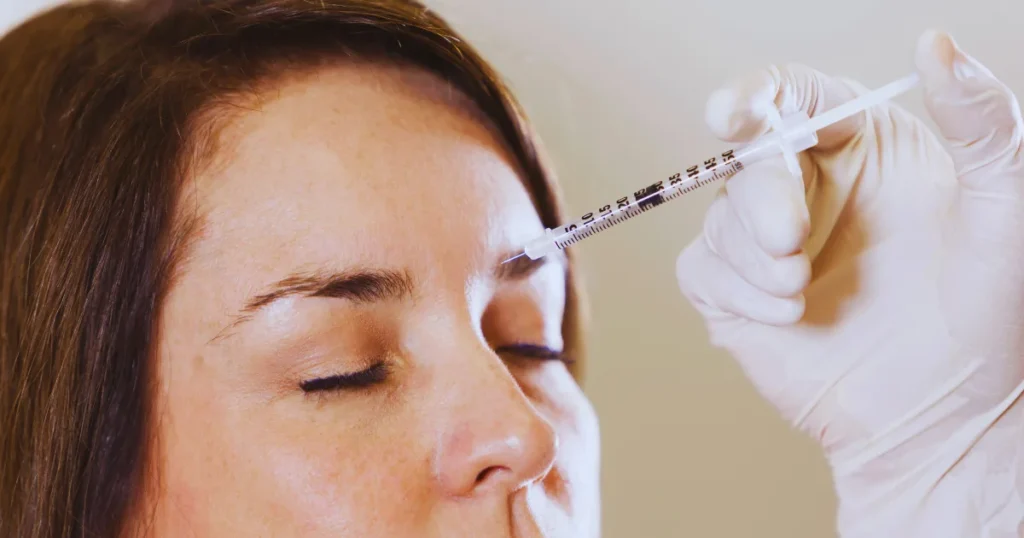
Imagine not being able to hold a cup of tea without spilling it. Or your neck pulling involuntarily to one side – no matter how hard you try to hold it straight. Or your eye blinking so frequently that reading or driving becomes impossible. For thousands of people living with tremors, dystonia, or muscle spasms, […]
Botulinum Toxin (Botox) Isn’t Just Cosmetic: Neurological Uses You Didn’t Know
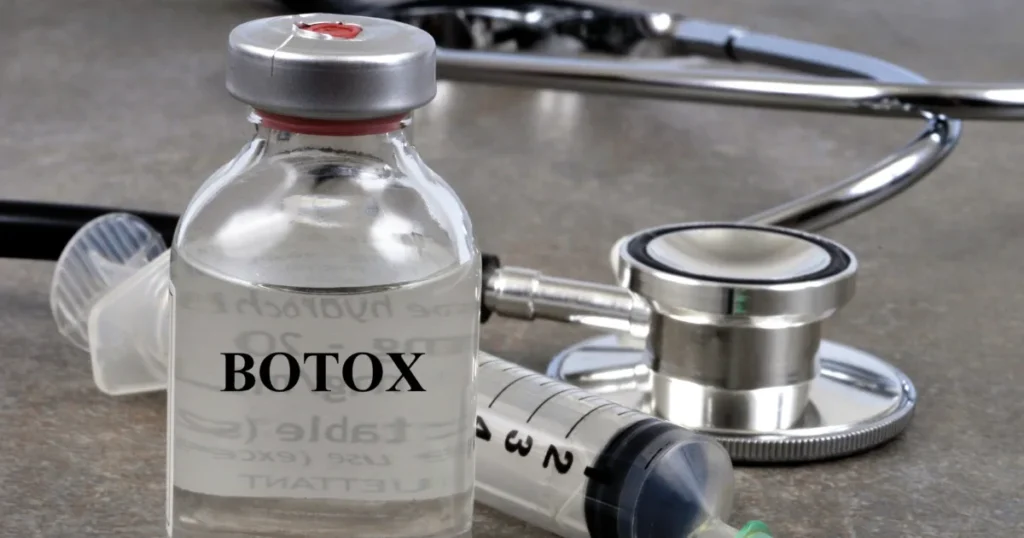
Botulinum Toxin (Botox) is a word most often associated with wrinkle reduction and aesthetic enhancements. However, beyond the surface-level benefits, Botox has gained recognition as a powerful tool in managing various neurological conditions. While many people are unaware of its therapeutic uses, neurologists have been using Botox for years to treat disorders that involve muscle […]
Is DBS a Cure for Parkinson’s?
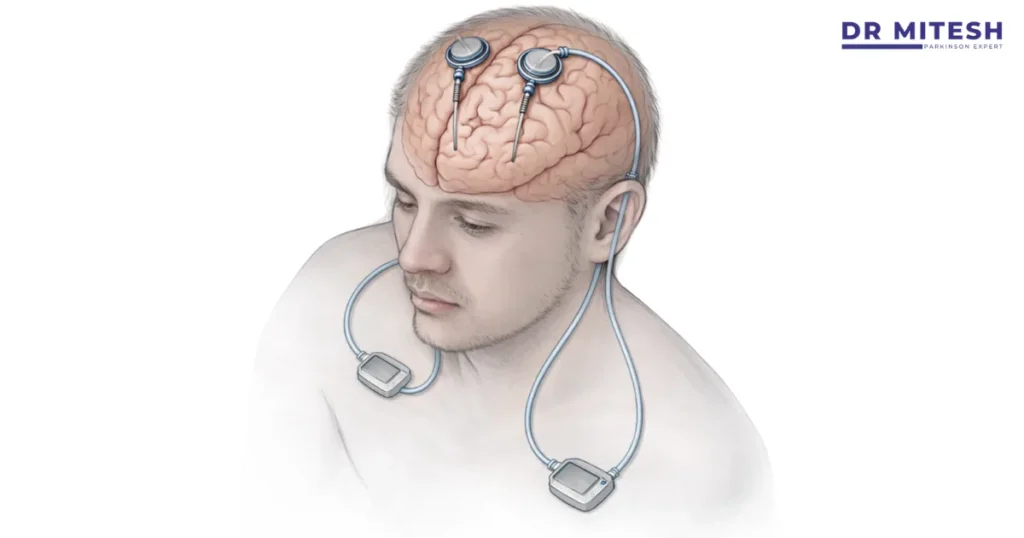
Parkinson’s disease is a long-term neurological condition that affects movement, balance, and daily activities. Many patients and families ask one important question when symptoms start interfering with normal life: Is there a cure for Parkinson’s? Deep Brain Stimulation (DBS) is often discussed as a powerful treatment option, especially when medicines stop working well. But does […]
Brain Exercises That May Delay Cognitive Decline

As people age, maintaining cognitive function becomes an important goal. While it’s natural for some memory and processing abilities to decline slightly with age, certain activities can support brain health and may delay more serious cognitive issues like dementia or Alzheimer’s disease. One emerging area of interest is brain exercises, activities specifically designed to stimulate […]
What Type of Botulinum Injection Is Used for Medical Problems?

Botulinum injections are often misunderstood. Many people immediately think of cosmetic wrinkle treatments, but in medical practice, these injections play a much bigger and more meaningful role. Neurologists and movement disorder specialists use specific types of botulinum toxin to treat a wide range of health conditions that affect movement, muscle control, pain, and even sweating. […]
No Relief After Botulinum Injection?
Many patients feel hopeful before receiving a botulinum injection expecting stiffness, spasms, or abnormal movements to ease within days. But what if that relief doesn’t come? Experiencing no relief after treatment can be confusing and worrying, especially when expectations are high. The good news is that a lack of response does not automatically mean the […]
Anti-inflammatory Diets and Their Role in Neurological Health

Chronic inflammation is at the core of many long-term health conditions, including heart disease, diabetes, arthritis, and even neurological disorders like Parkinson’s disease, Alzheimer’s, multiple sclerosis (MS), and stroke. While inflammation is the body’s natural response to injury or infection, persistent inflammation in the brain can contribute to neurodegeneration and cognitive decline. This has led […]
Worried About Injection Pain Before Botulinum Treatment?

If you have been advised botulinum treatment for a movement disorder, muscle stiffness, dystonia, or spasticity, one of the first fears that often comes to mind is injection pain.Many patients delay or even avoid treatment simply because they are worried about how painful the injections might be. This concern is completely natural. The good news […]
From Relief to Routine: Planning Your Botox Treatment Timeline
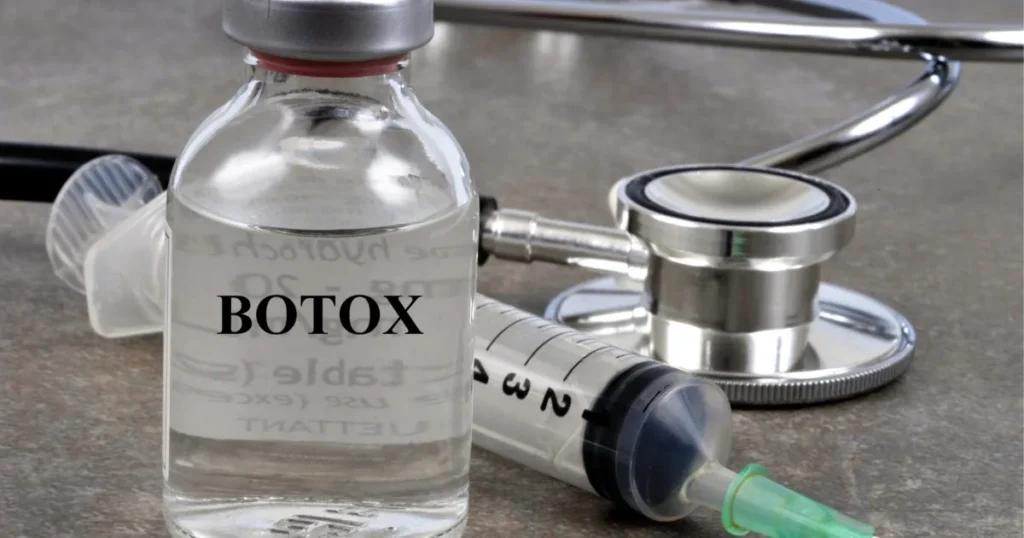
Living with conditions like dystonia, spasticity, or muscle stiffness often means dealing with pain, discomfort, and mobility challenges. For many patients, Botox injections have become more than just a treatment; they are a path toward better daily living. But one of the most common questions people have is: “How often will I need Botox?” This […]
Can Botulinum Injection Affect Your Mind or Thoughts? What Patients Ask Most

Botulinum injections commonly known as Botox are widely used to treat muscle stiffness, spasms, abnormal movements, and certain pain conditions. While many patients feel physical relief after treatment, a very common concern remains:Can botulinum injection affect my mind or thoughts? Patients often worry about memory changes, thinking ability, mood, or long-term effects on the brain. […]