
Parkinson Disease Management Beyond Medicine: Diet & Exercise Tips

Many people think Parkinson’s care is only about medicines and doctor visits. But Parkinson disease management goes far beyond clinics. Lifestyle choices like healthy eating, daily movement, and emotional support can make a real difference. Patients and families who focus on non-medical care often find that they feel stronger, more independent, and more in control. […]
How Soon Should Parkinson’s Treatment Begin? Why Early Care Matters

When someone first hears the words “You may have Parkinson’s or Movement disorder,” the first question that comes to mind is When should Parkinson’s treatment begin? The short answer is: the earlier, the better. Starting treatment early does not cure Parkinson’s, but it can slow down the progression of symptoms, protect independence, and improve quality […]
Why Does Parkinson’s Happen? Understanding the Possible Causes and Risks
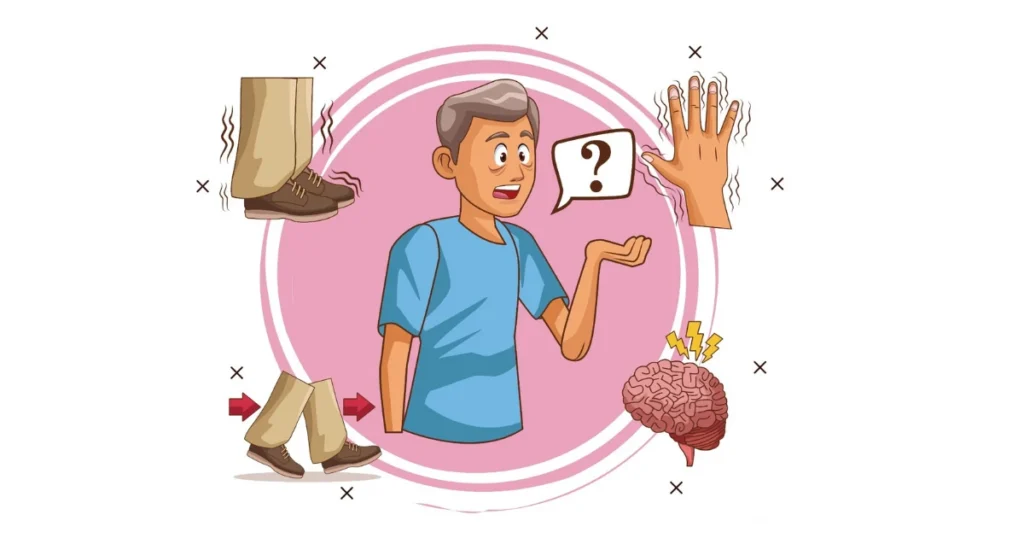
Many families ask, “Why does Parkinson’s happen ?” The truth is, doctors and scientists don’t have one clear answer yet. Parkinson’s is a complex brain condition that develops when certain nerve cells stop working properly. These cells normally make a chemical called dopamine, which helps us move, walk, and balance. When dopamine levels drop, symptoms […]
Parkinson’s Cure : Where science stands today and what’s next

Parkinson’s disease is a long-term brain condition that affects movement, balance, and daily activities. When someone is diagnosed, one question often comes up again and again: Is there a Parkinson’s cure? Patients and families want clear, honest answers without false hope, but also without unnecessary fear. In this blog, we explain where science stands today, […]
How many times can I take Botulinum Injection?

Botulinum injections often called Botox are widely used in neurology to treat muscle stiffness, spasms, abnormal movements, and certain pain-related conditions. Many patients feel clear relief after their first treatment, which naturally leads to an important and very common question: How many times can I take a botulinum injection? Is there a limit? Is it […]
Is Botulinum Toxin (Botox) a permanent cure?

Botulinum toxin injections commonly known as Botox are widely used in neurology to treat muscle stiffness, abnormal movements, spasms, and certain pain conditions. Many patients notice clear improvement after injections, which naturally leads to an important question: Is Botulinum Toxin a permanent cure, or just a temporary treatment? This blog explains the answer in simple, […]
How long Drug Induced Movement Disorders recovery take?

Movement problems that start after taking a medicine can be frightening. Many patients worry whether these symptoms are permanent or if they will ever return to normal. The good news is that Drug Induced Movement Disorders are often partially or fully reversible, especially when identified early and managed correctly. This blog explains recovery timelines, what […]
Are Botulinum injections (Botox) safe for this?

Medically reviewed by Dr. Mitesh Chandarana | Last updated: July 2026 When people hear the word Botox, many immediately think of cosmetic treatments for wrinkles. But in neurology and movement disorders, Botulinum Injections have been used safely for decades to treat pain, stiffness, abnormal movements, and muscle tightness. As a movement disorder specialist practicing in […]
Milk and Parkinson’s: Is There a Connection?

When people are diagnosed with Parkinson’s disease or when they have a family history one of the most common questions they ask is about diet. Among all foods, milk often comes up repeatedly. Some headlines suggest a link between dairy intake and Parkinson’s, while others dismiss it as a myth. This leaves patients and caregivers […]
Can I stop Psychiatric Medicines on my own?
Many people who take psychiatric medicines eventually reach a point where they ask an important question:“Do I really need this medicine anymore?” or “Can I stop it on my own now that I feel better?” These thoughts are very common and completely understandable. Some people worry about long-term side effects, while others feel they have […]