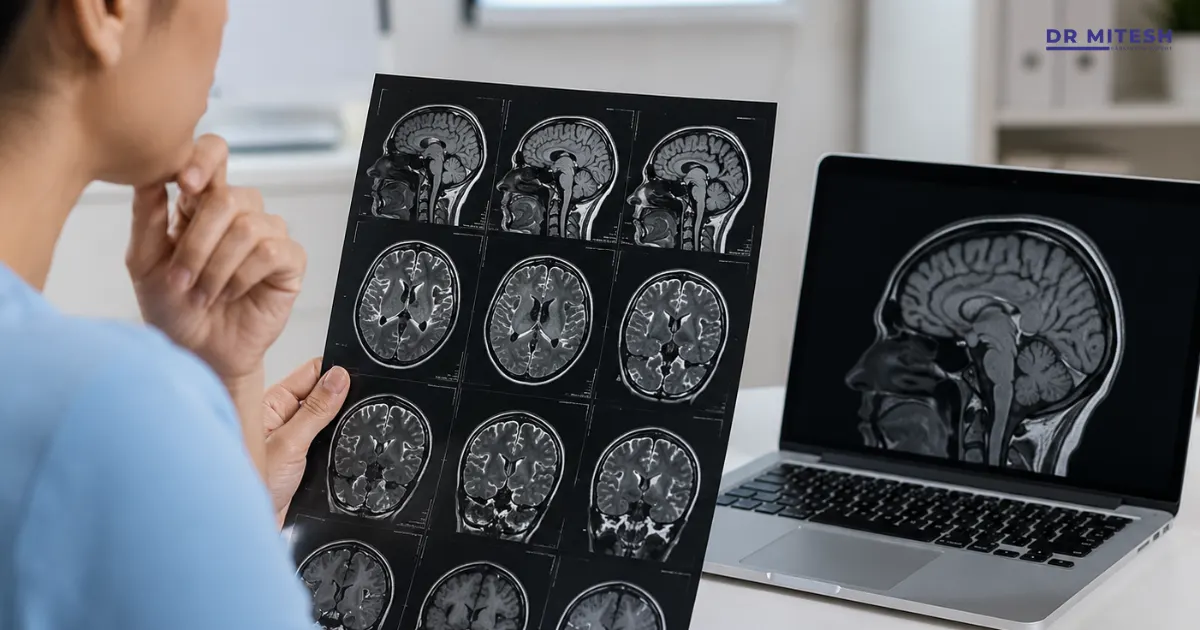

When people hear about Botox, they often think of cosmetic treatments. But Botox is also widely used in medical care, especially for conditions like dystonia, spasticity, and even certain movement disorders. While Botox helps relax overactive muscles, many patients worry: “Does Botox cause muscle weakness?” This is a very common and valid question. The short answer is that muscle weakness can happen, but it is usually temporary, mild, and dose-dependent.
In this blog, we’ll break down how Botox works, why muscle weakness may occur, how long it lasts, and what patients should know before starting treatment.
How Botox Works in the Body
Botox is made from a purified protein that blocks nerve signals to specific muscles.
- It helps relax overactive or stiff muscles.
- It is commonly used for dystonia treatment, where unwanted movements or muscle contractions cause pain and discomfort.
- The goal of treatment is not to paralyze muscles, but to bring them back to a normal, balanced state.
This is why doctors carefully calculate a safe Botox dosage for dystonia treatment, targeting only the affected muscles.
Can Botox Cause Muscle Weakness?
Yes, but it depends on several factors:
- Dosage: Higher doses may increase the risk.
- Injection site: If Botox spreads beyond the intended muscle, nearby areas may feel weaker.
- Individual response: Every patient’s body reacts differently.
Most patients report only temporary muscle weakness after Botox injections, and it usually improves within a few days to weeks. Severe weakness is rare when given by experienced doctors.
How Long Does Muscle Weakness Last Post-Botox?
- Mild weakness: May last a few days after the injection.
- Typical effect duration: Botox benefits last about 3-4 months, but weakness usually resolves sooner.
- Recovery: Once the protein wears off, normal muscle strength returns.
So, if you experience weakness, it is generally short-lived and should not interfere with daily activities long term.
Are There Other Side Effects Patients Should Know?
Like any treatment, Botox may have side effects, but most are mild and temporary.
- Soreness or pain at the injection site
- Bruising or mild swelling
- Fatigue in nearby muscles
- Rarely, headache or flu-like symptoms
Doctors always ensure Botox side effects in strength and mobility are minimal by using precise techniques and the right dosage.
How Do Doctors Keep Botox Safe?
When given by trained specialists, Botox is considered safe. Here’s how doctors reduce risks:
- Detailed consultation before treatment
- Mapping muscles carefully before injections
- Using the lowest effective dose
- Monitoring patient response and adjusting future doses if needed
This is why finding an experienced movement disorder specialist is key.
Common Patient Concerns Answered
- Will I lose all my muscle strength?
No. Botox is designed to target only the overactive muscles, and weakness is usually temporary. - Can Botox spread to other areas?
Very rarely, and only if high doses are used or if aftercare instructions are not followed. - Is it safe for long-term use?
Yes. Many patients safely receive Botox every 3-4 months for years.
Lifestyle Tips After Botox Treatment
You can help your recovery and reduce discomfort by:
- Resting the treated area for a day
- Avoiding heavy exercise immediately after injections
- Gently stretching once approved by your doctor
- Following all aftercare instructions
Conclusion
Botox is a trusted and effective treatment for conditions like dystonia and certain movement disorders. While muscle weakness can occur, it is typically mild, temporary, and manageable. With the right doctor and safe dosage, the benefits of Botox often outweigh the risks.
If you are considering Botox, always discuss your concerns openly with your neurologist or movement disorder specialist. They will guide you through safe treatment options and help you feel confident about your care.
For expert consultation, you may connect with the Best Parkinson Doctor who specializes in Botox for movement disorders and advanced Parkinson’s care.
Authoritative References
- American Parkinson’s Disease Association – Botox Injections
- Medline Plus – Botox
- Wikipedia – Botulinum Toxin
- Mayo Clinic – Botox Injections