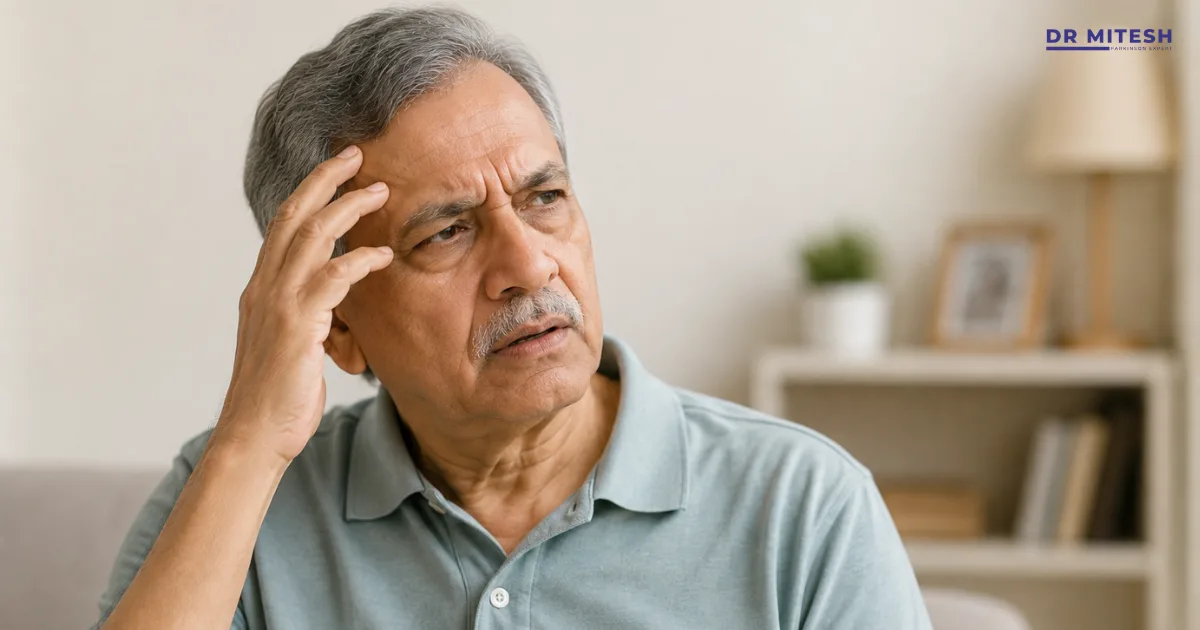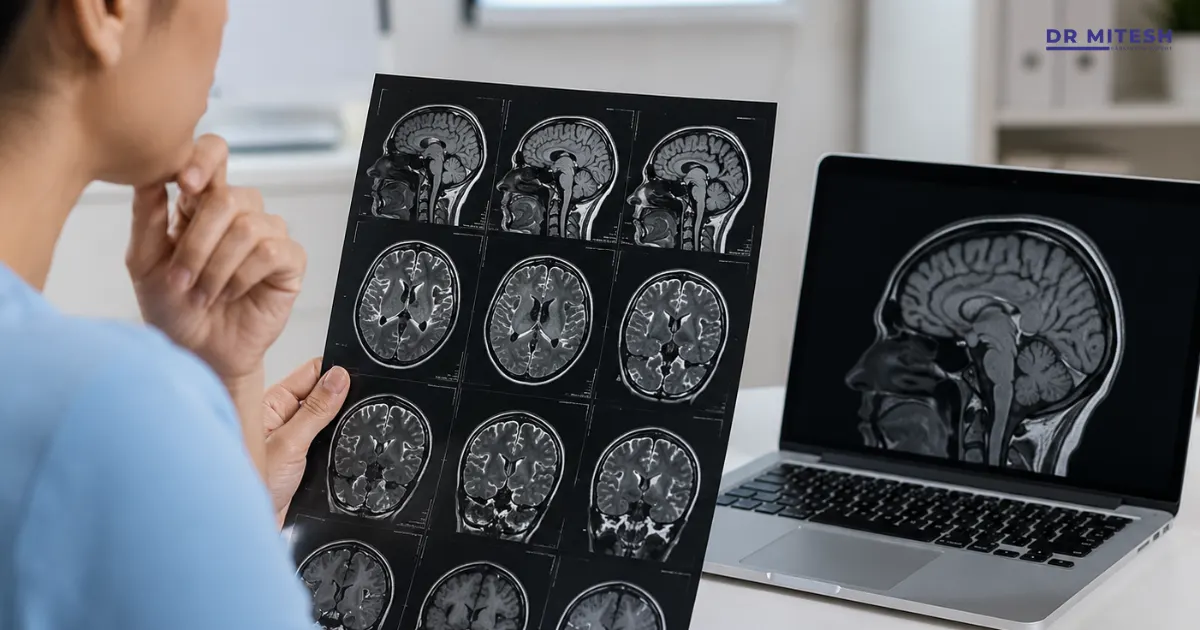

When most people think of Parkinson’s disease, tremors, stiffness, and slowness of movement come to mind. But there’s another side to this condition that often goes unnoticed, Parkinson’s and mental health are deeply connected. The emotional and psychological toll can be just as impactful as physical symptoms, influencing overall quality of life for both patients and caregivers.
Understanding this link is the first step toward better care, holistic treatment, and improved daily living.
How Parkinson’s Affects Mental Health
Parkinson’s changes brain chemistry and structure, which directly influences emotional well-being. Mental health challenges are not “just in the mind”, they are real symptoms of the disease.
Common mental health concerns in Parkinson’s include:
- Depression: Often one of the earliest signs, caused by changes in brain chemicals.
- Anxiety: Can range from constant worry to panic attacks, often worsened by uncertainty around symptoms.
- Apathy: A lack of motivation that is different from depression and harder to manage.
- Cognitive changes: Memory problems, slower decision-making, and multitasking difficulties.
- Psychosis: Hallucinations or delusions, usually in later stages or due to medication side effects.
Left untreated, these symptoms can lead to social withdrawal, reduced independence, and caregiver stress.
For a broader view of non-motor symptoms, read our guide on Early Signs of Parkinson’s Disease.
Why Mental Health Issues Arise in Parkinson’s
Emotional challenges in Parkinson’s are not only reactions to diagnosis, they often stem from biological and medical causes.
Key contributors include:
- Neurochemical changes: Loss of dopamine and other neurotransmitters.
- Medication side effects: Some drugs may cause hallucinations or mood swings.
- Disease burden: The daily stress of coping with Parkinson’s.
- Sleep disorders: Poor sleep worsens depression and anxiety.
- Social isolation: Reduced mobility can lead to loneliness.
Recognizing these root causes helps in tailoring effective treatment strategies.
Recognizing Signs of Mental Health Decline
Early recognition allows for timely intervention. Watch for:
- Persistent sadness or loss of interest
- Excessive worry, panic, or irritability
- Difficulty concentrating or decision-making
- Changes in appetite or sleep
- Hopelessness or worthlessness
- Hallucinations or paranoia
Caregivers are often the first to notice subtle changes. Open conversations with healthcare providers make a huge difference.
Coping Strategies for Mental Health in Parkinson’s
A holistic approach combining medical, emotional, and social care works best.
Effective coping methods include:
- Therapy: Cognitive Behavioral Therapy (CBT) for depression and anxiety.
- Medication: Antidepressants or antipsychotics, chosen carefully to avoid drug interactions.
- Exercise: Regular activity boosts mood and reduces stress. (See our guide on Exercise for Parkinson’s Patients).
- Mindfulness practices: Meditation, yoga, and deep breathing for relaxation.
- Structured routine: A predictable daily plan reduces anxiety.
The Role of Caregivers and Family Support
Support systems are vital in managing both Parkinson’s and mental health.
Caregivers can help by:
- Encouraging open discussions about emotional health
- Attending medical visits to share observations
- Watching for medication side effects
- Reducing isolation through companionship
- Joining support groups for shared learning
Such involvement not only improves patient well-being but also eases caregiver burnout.
When to Seek Professional Help
Not every emotional dip requires medication, but certain warning signs should never be ignored:
- Depression or anxiety lasting more than two weeks
- Hallucinations or paranoia disrupting daily life
- Severe sleep disturbances
- Personality changes
- Suicidal thoughts or behavior
A neurologist, psychiatrist, or psychologist with Parkinson’s expertise should be consulted immediately in such cases.
Building a Mental Health Care Plan
Personalized care ensures better long-term outcomes.
A strong mental health plan includes:
- Regular screenings at neurology appointments
- Recording symptoms, triggers, and medication effects
- Collaboration between neurologists and psychologists
- Community resources such as day-care programs or therapy groups
- A clear crisis plan with emergency contacts
Conclusion
Parkinson’s and mental health are inseparable parts of the same journey. While tremors and stiffness get most attention, emotional health can define quality of life. Early recognition, professional support, and caregiver involvement all play a role in holistic treatment.
With the guidance of the Best Parkinson’s Doctor, patients can receive compassionate, expert care that addresses both physical and emotional needs, helping them live fuller, more balanced lives.
Resources for Patients and Caregivers
Helpful organizations and programs include:
- National Mental Health Program (NMHP) – India’s public mental health initiative
- NIMHANS – Expert neurological and psychological resources
- Parkinson’s Disease & Movement Disorder Society (PDMDS) – Therapy and education support
These resources bridge critical gaps in mental healthcare for Parkinson’s patients.