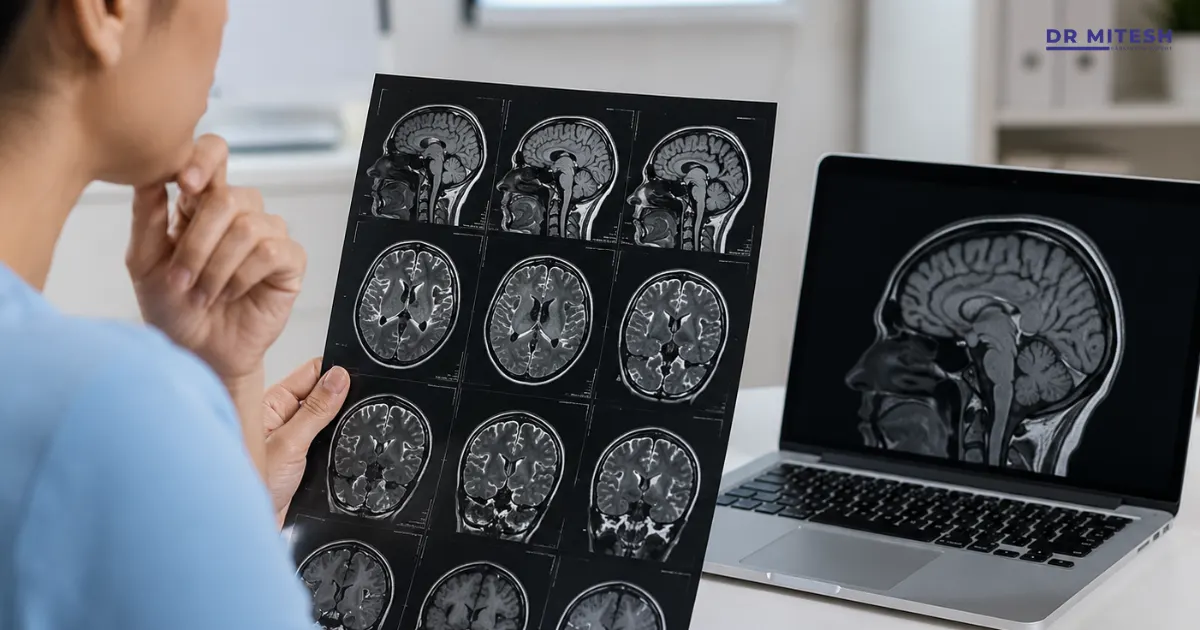

Botulinum injections are often misunderstood. Many people immediately think of cosmetic wrinkle treatments, but in medical practice, these injections play a much bigger and more meaningful role. Neurologists and movement disorder specialists use specific types of botulinum toxin to treat a wide range of health conditions that affect movement, muscle control, pain, and even sweating.
This guide explains which botulinum injections are used for medical problems, how they differ from cosmetic use, and what patients should realistically expect from treatment using simple language and patient-focused explanations.
Understanding Botulinum Injection Beyond Cosmetics
Botulinum toxin is a purified protein derived from bacteria. In controlled medical doses, it helps relax overactive muscles or calm abnormal nerve signals.
In medical care, the goal is function and symptom relief, not appearance.
Doctors use it to:
- Reduce painful muscle tightness
- Control involuntary movements
- Improve posture and daily functioning
- Reduce disability caused by neurological conditions
Medical botulinum injections are FDA-approved, evidence-based treatments used worldwide.
What Is Therapeutic Botulinum Toxin?
Therapeutic botulinum toxin refers to botulinum injections used strictly for health conditions under medical supervision.
Key features:
- Administered by trained neurologists or specialists
- Used in specific muscles or glands
- Dose and placement are medically calculated
- Treatment goals focus on symptom relief and quality of life
This form is very different from cosmetic injections given for fine lines or facial wrinkles.
Learn More About Is Botulinum Toxin (Botox) a permanent cure?
Types of Botulinum Injection Used for Medical Problems
Several approved formulations are used globally. While brand names differ, their medical purpose remains similar.
Commonly used medical botulinum injections include:
- Botulinum toxin type A formulations
- Botulinum toxin type B (used in select cases)
Each has a slightly different duration, strength, and clinical application. Your doctor selects the type based on:
- The condition being treated
- Muscle size and severity
- Past response to treatment
- Side effect profile
Medical Conditions Treated with Botulinum Injections
Botulinum treatment for neurological conditions has expanded significantly over the years.
Common medical problems treated include:
- Dystonia (abnormal muscle contractions)
- Spasticity after stroke or brain injury
- Hemifacial spasm
- Blepharospasm (forceful eye blinking)
- Chronic migraine
- Excessive sweating (hyperhidrosis)
- Jaw clenching and teeth grinding
- Some tremor-related conditions
These uses are supported by clinical trials and international treatment guidelines.
Learn More About How many times can I take Botulinum Injection?
How Medical Botulinum Injections Work
The injection blocks excessive nerve signals reaching a muscle or gland.
In simple terms:
- Nerves send “overactive” signals
- Muscles contract too much or at the wrong time
- Botulinum toxin calms those signals
- The muscle relaxes gradually
This process does not damage nerves permanently. The effect wears off slowly, which is why repeat treatments are often needed.
Difference Between Medical and Cosmetic Botulinum
Many patients worry that medical and cosmetic injections are the same. They are not.
Key differences explained simply:
| Aspect | Medical Botulinum | Cosmetic Botulinum |
|---|---|---|
| Purpose | Treat medical problems | Improve appearance |
| Target | Deep or large muscles | Small facial muscles |
| Dose | Higher and calculated | Lower and aesthetic |
| Specialist | Neurologist/physician | Dermatologist/aesthetician |
| Goal | Function & relief | Cosmetic smoothness |
Understanding this difference helps reduce fear and confusion before treatment.
Who Decides the Type and Dose of Injection?
Only a trained Movement Disorder Specialist should decide:
- Which botulinum toxin to use
- How much to inject
- Where exactly to inject
This decision is based on:
- Clinical examination
- Severity of symptoms
- Muscle involvement
- Previous response history
Self-requesting a specific type is not recommended. Treatment should always be personalized.
Learn More About Can Botulinum Injection Affect Your Mind or Thoughts? What Patients Ask Most
Is Medical Botulinum Injection Safe?
Yes, when used correctly.
Medical botulinum injections have been used safely for decades in neurology and rehabilitation medicine.
Safety highlights:
- Approved by regulatory authorities
- Effects are temporary and reversible
- Side effects are usually mild and localized
- Serious complications are rare when done by experts
Most side effects, if they occur, improve on their own within days to weeks.
What Does the Procedure Feel Like?
Patients often worry about pain or discomfort.
What most people experience:
- Mild pinprick sensation
- Minimal discomfort lasting seconds
- No need for anesthesia in most cases
- Procedure usually completed in 10-20 minutes
The fear is usually worse than the actual experience.
When Do Results Start Showing?
Medical botulinum injections do not work instantly.
Typical timeline:
- Initial effect: 3-7 days
- Peak benefit: 2-4 weeks
- Duration: 3-4 months (varies by condition)
This gradual onset is normal and expected.
Learn More About No Relief After Botulinum Injection?
Why Repeat Injections Are Needed
Botulinum toxin does not cure the underlying condition, it manages symptoms.
Reasons repeat treatment is required:
- Nerve endings slowly recover
- Muscle activity returns gradually
- Symptoms may reappear over time
Repeat injections are spaced carefully to maintain benefit while avoiding overuse.
Does Long-Term Use Reduce Effectiveness?
This is a common patient concern.
The reality:
- Most patients continue to benefit long-term
- Dose and injection sites can be adjusted
- Resistance is rare when used correctly
- Medical-grade formulations reduce risk of reduced response
Regular follow-up ensures optimal results over time.
Who Should Avoid Botulinum Injections?
While generally safe, botulinum injections may not be suitable for everyone.
Caution is needed in:
- Certain neuromuscular disorders
- Active infections at injection site
- Pregnancy (unless clearly indicated)
- Known allergy to components
Your doctor will screen for these before treatment.
Learn More About Worried About Injection Pain Before Botulinum Treatment?
Common Myths About Medical Botulinum Injections
Let’s clear up some frequent misunderstandings:
- “It’s only for beauty” → False, medical use is well-established
- “It damages nerves” → No, effects are temporary
- “Once started, you can’t stop” → You can stop anytime
- “It spreads to the brain” → No evidence supports this when used properly
Correct information helps patients make confident decisions.
How to Prepare for the Injection
Preparation is usually simple.
Before the procedure:
- Share full medication history
- Inform about blood thinners
- Eat normally unless advised otherwise
- Ask questions openly
Being relaxed improves the overall experience.
What to Expect After Treatment
After medical botulinum injections:
- Resume daily activities immediately
- Avoid heavy massage of injected area for 24 hours
- Mild soreness may occur briefly
- Follow-up is usually planned after a few weeks
Doctors may fine-tune future doses based on your response.
Conclusion
Botulinum injections used for medical problems are very different from cosmetic treatments. They are carefully chosen, precisely dosed, and administered by specialists to relieve symptoms that affect daily life and mobility. When used appropriately, therapeutic botulinum toxin offers safe, effective, and meaningful improvement for many neurological and movement-related conditions.
If you are considering this treatment, consulting a qualified Botulinum Injection Specialist ensures that the right type of botulinum injection is selected for your condition based on science, safety, and your individual needs.
Authoritative References
- Neurology India Journal – Therapeutic Botulinum Injection