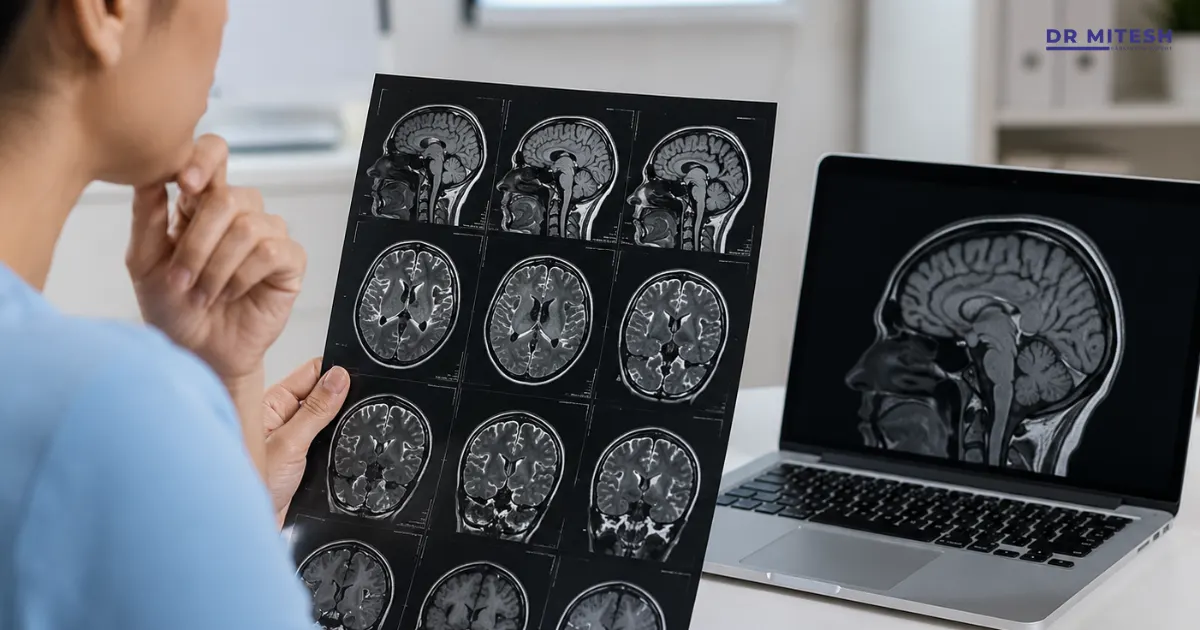

As people age, maintaining cognitive function becomes an important goal. While it’s natural for some memory and processing abilities to decline slightly with age, certain activities can support brain health and may delay more serious cognitive issues like dementia or Alzheimer’s disease. One emerging area of interest is brain exercises, activities specifically designed to stimulate mental functioning. In this blog, we explore the science, types, and effectiveness of brain exercises and how they may play a role in preserving mental sharpness over time.
Why Brain Health Matters
Our brain is the control center for everything we do, from basic motor functions to complex decision-making and emotional processing. As we grow older, neural pathways can weaken, and the risk of cognitive disorders increases.
- Cognitive decline affects memory, attention, language, and decision-making
- Neurological conditions such as Alzheimer’s and Parkinson’s are more common in older adults
- Maintaining cognitive health supports independence and quality of life
- Early action can delay or reduce the severity of age-related changes
What Are Brain Exercises?
Brain exercises are mental activities designed to stimulate different areas of the brain. These exercises help maintain neural connections and even form new ones, a phenomenon known as neuroplasticity.
- Activities can include puzzles, memory games, and problem-solving tasks
- Social interaction and language-based games also serve as cognitive boosters
- Regular practice can help strengthen memory, attention span, and problem-solving skills
- Brain exercises are useful for people of all ages, not just seniors
Science Behind Cognitive Training
Multiple studies suggest that engaging in mentally stimulating activities can delay the onset of cognitive disorders.
- The ACTIVE study (Advanced Cognitive Training for Independent and Vital Elderly) found that memory and reasoning training improved cognitive function even after five years
- Neuroplasticity allows the brain to reorganize itself by forming new connections
- Brain training can also support recovery in patients with mild cognitive impairment (MCI)
- Activities that involve learning new skills show a higher impact on mental agility
Learn more about Foods That Improve Brain Health.
Types of Brain Exercises That Help
Different exercises target various aspects of brain function. Including a mix ensures comprehensive cognitive engagement.
1. Memory Games
- Card matching games
- Recalling word lists or number patterns
- Story recall challenges
- Using mnemonic devices to retain information
2. Problem-Solving Activities
- Sudoku and crossword puzzles
- Logic puzzles and riddles
- Chess and strategy board games
- Brain-training apps with analytical challenges
3. Language and Verbal Skills
- Reading regularly, especially new or complex material
- Learning a new language
- Playing word games like Scrabble or Boggle
- Participating in book clubs or debate groups
4. Numerical Exercises
- Basic arithmetic without a calculator
- Budgeting or financial planning tasks
- Mental math games
- Pattern recognition using numbers
5. Physical Activity With Mental Engagement
- Dancing to music by following specific steps
- Playing interactive video games like Wii Sports or VR-based cognitive games
- Tai Chi or yoga, which require coordination and concentration
Lifestyle Factors That Support Brain Function
Brain exercises are most effective when paired with healthy lifestyle choices. Together, they form a holistic approach to delaying cognitive decline.
- Regular physical exercise improves blood flow to the brain
- Balanced diet rich in omega-3 fatty acids, antioxidants, and vitamins
- Quality sleep helps with memory consolidation and brain detoxification
- Social interaction stimulates emotional and cognitive centers
- Stress management through meditation or breathing exercises
Learn more about Anti-Inflammatory Diets and Their Role in Neurological Health.
When to Start Brain Exercises
It is never too early or too late to begin Brain Training. However, the sooner you start, the more resilient your cognitive function may be later in life.
- Adults in their 30s and 40s can build a strong cognitive reserve
- Seniors benefit from regular mental stimulation to slow decline
- Individuals with family history of cognitive disorders should start early
- Post-stroke or traumatic brain injury patients should engage under expert supervision
Recognizing Early Signs of Cognitive Decline
Understanding symptoms helps in early diagnosis and timely intervention. If you or someone you know is experiencing the following, consult a Neurologist:
- Frequently forgetting names, dates, or recent events
- Difficulty performing familiar tasks
- Trouble with language or finding the right words
- Poor judgment or decision-making
- Withdrawal from social or work activities
Role of Neurologists in Brain Health
Neurologist specialize in diagnosing and managing conditions affecting the brain and nervous system. A Neurologist can help:
- Evaluate your cognitive function using standardized tests
- Diagnose early stages of dementia, Alzheimer’s, or other conditions
- Recommend brain exercises tailored to individual needs
- Prescribe medications if necessary and guide treatment plans
Final Thoughts
Brain exercises are an important part of maintaining mental sharpness and delaying cognitive decline. While they are not a cure, they offer a proactive way to support brain health. Combine them with physical exercise, a balanced diet, and social interaction for best results. If you’re noticing early signs of memory loss or cognitive difficulties, consult the Neuro Physician for expert advice on neurological health.
Remember, staying mentally active is a lifelong commitment with long-term benefits.
Authoritative References:
- Healthline – Brain exercises to keep you mentally sharp
- Medical News Today – Brain Exercises to improve memory
- Mayo Clinic Health System – Tips to keep your Brain Healthy
- Mayo Clinic – Brain Health Tips