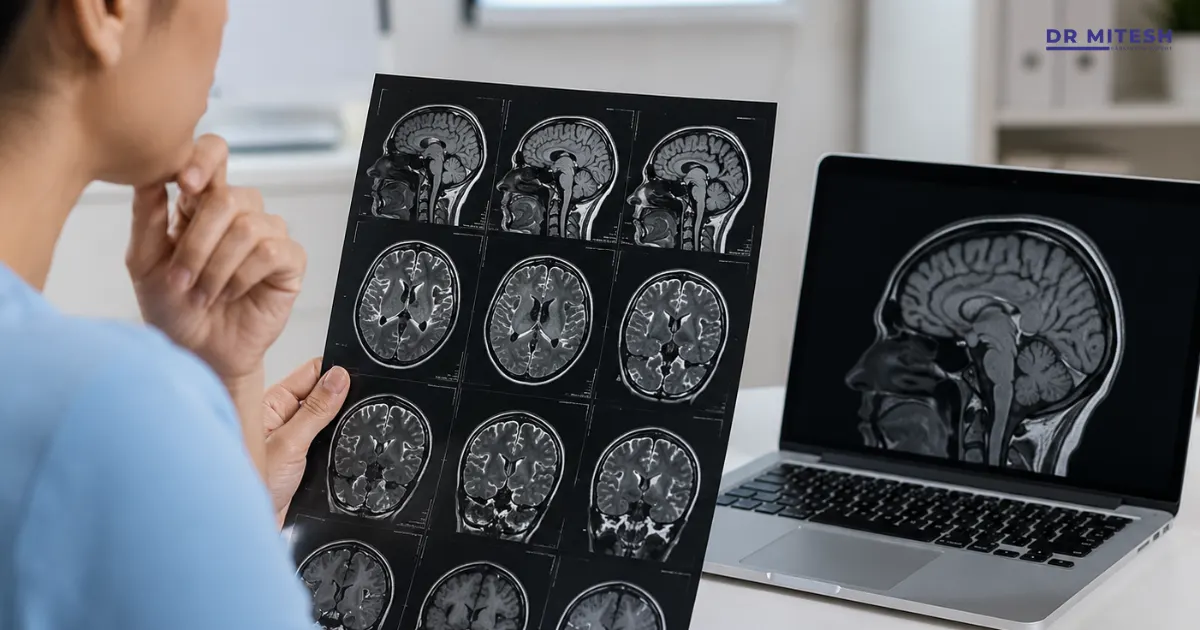

Memory loss can be a deeply troubling experience for both the person facing it and their loved ones. It raises important questions: Is this normal aging? Is it the beginning of something more serious? And most crucially, can memory loss be reversed? In this blog, we explore these questions from a neurologist’s perspective, examining causes, potential treatments, and when to seek help.
Understanding the Types of Memory Loss
Memory loss isn’t always a sign of dementia. There are different types and causes, some of which are reversible.
Reversible Causes of Memory Loss
- Vitamin Deficiencies: Especially Vitamin B12 deficiency, which affects brain function
- Thyroid Disorders: Hypothyroidism can cause forgetfulness and sluggish thinking
- Sleep Apnea: Interrupted sleep can reduce attention and memory retention
- Medication Side Effects: Some antihistamines, sedatives, or antidepressants can impair memory
- Emotional Stress, Anxiety or Depression: Can lead to forgetfulness that mimics dementia
- Alcohol Abuse: Chronic alcohol consumption can damage brain cells
These causes are potentially reversible with proper treatment, making early diagnosis critical.
Learn more about Chronic Headaches or Migraines? When to Consult a Neurologist
Mild Cognitive Impairment (MCI): A Middle Ground
Mild Cognitive Impairment (MCI) is often considered a transitional stage between normal aging and dementia.
- MCI affects memory more than typical age-related forgetfulness
- Around 10% to 20% of people over 65 have MCI
- About 16% of MCI cases may revert to normal cognition, especially if caused by treatable factors like sleep disorders or medication
Symptoms of MCI
- Frequently losing things
- Forgetting appointments
- Difficulty following conversations
Irreversible Memory Loss: Neurodegenerative Causes
Some memory problems stem from irreversible conditions such as:
- Alzheimer’s Disease: The most common cause of dementia, progressive and incurable
- Parkinson’s Disease Dementia: Memory changes accompanied by motor dysfunction
- Lewy Body Dementia: Involves memory, movement, and hallucinations
- Vascular Dementia: Caused by reduced blood flow to the brain
In these cases, while the condition may not be reversible, early diagnosis and treatment can slow the progression.
Diagnostic Steps: How Neurologists Evaluate Memory Loss
A Neurologist will typically conduct:
- Detailed Medical History: Including medications, family history, and emotional health
- Neurological Exam: Assessing reflexes, coordination, and cognition
- Cognitive Testing: Standardized tools like MMSE or MoCA
- Imaging Tests: MRI or CT scan to look for structural brain changes
- Blood Tests: To rule out vitamin deficiencies or thyroid issues
These tests help determine whether memory loss is reversible or not.
Can Memory Loss Be Reversed? The Short Answer
Yes, if the cause is reversible. Memory loss due to vitamin deficiency, thyroid issues, stress, or medications can improve once the underlying issue is treated.
However, in cases of neurodegenerative diseases like Alzheimer’s or Parkinson’s, memory loss is not fully reversible. But timely interventions can significantly improve quality of life.
Learn more about Wilson’s Disease: A Rare but Treatable Condition.
Treatment Options for Reversible Memory Loss
Once the root cause is identified, appropriate treatments may include:
- Correcting Nutritional Deficiencies: Vitamin B12 injections or supplements
- Managing Sleep Disorders: CPAP therapy for sleep apnea
- Adjusting Medications: Replacing memory-impairing drugs with safer alternatives
- Mental Health Support: Counseling, therapy, and medications for depression or anxiety
Lifestyle Changes That Support Brain Function
Regardless of cause, these strategies may help improve or preserve memory:
- Balanced Diet: Rich in omega-3s, antioxidants, and whole grains
- Regular Exercise: Enhances blood flow to the brain
- Adequate Sleep: Helps consolidate memories
- Mental Stimulation: Puzzles, reading, and learning new skills
- Social Engagement: Interacting with others reduces stress and supports cognition
When to See a Neurologist
Seek medical advice if you notice:
- Memory lapses interfering with daily life
- Sudden or severe forgetfulness
- Confusion with time, places, or people
- Changes in mood or personality
- Difficulty performing familiar tasks
Early intervention can lead to better outcomes, especially if the cause is reversible.
Here you can find the Best Neurologist…Top Neurology Clinics in Ahmedabad
Realistic Expectations and Emotional Support
Understanding what to expect is vital:
- Reversible conditions may take weeks or months to improve
- Ongoing support from family, caregivers, and specialists is crucial
- Managing expectations helps reduce stress and anxiety for both patients and caregivers
Support groups and counseling services can provide emotional resilience for both the individual and their loved ones.
Final Thoughts: Prevention and Proactive Health
While not all memory loss can be reversed, many causes are manageable with early intervention. Prioritize your brain health with:
- Annual checkups
- Monitoring medications
- Staying mentally and physically active
Consulting the Best Neuro Physician early on is the best step to determine the cause and explore appropriate therapies.
Authoritative References:
- Cleveland Clinic – Memory loss
- Cleveland Clinic – Mild Cognitive Impairment (MCI)
- Health Direct – Memory Disorders
- Harvard Health Publishing – Forgetfulness