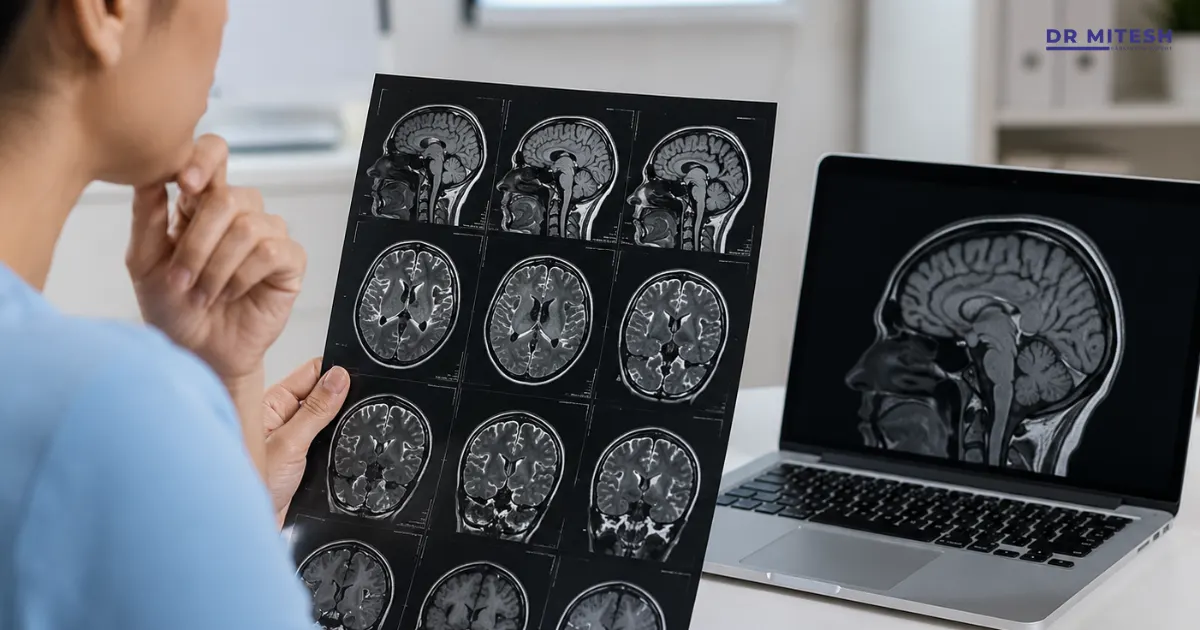

When people refer to CBD symptoms, they often think of stiffness, jerks, or spasms and rightly so. In corticobasal degeneration (CBD), these movement problems are among the most challenging and disruptive. While there’s no cure, doctors and neurologists offer a range of treatments for CBD symptoms to help manage corticobasal degeneration stiffness, CBD jerks and movement problems, and the daily discomfort they cause. In this guide, we’ll explain what causes these symptoms, how they can be treated, and practical strategies to manage CBD stiffness and spasms to improve quality of life.
What Causes Stiffness and Jerks in CBD?
Before discussing treatments, it helps to understand why stiffness (rigidity) and jerky movements (myoclonus) happen in CBD.
- Cortical degeneration: In CBD, nerve cells in the outer brain (cortex) and deep structures degenerate, especially involving the tau protein.
- Rigidity / stiffness: This happens because parts of the brain controlling muscle tone are damaged.
- Myoclonus (jerks): Many people with CBD experience sudden, involuntary muscle jerks. These jerks are often cortical in origin, meaning they stem from abnormal activation in the brain’s cortex.
- Dystonia: Some patients develop sustained abnormal muscle postures or contractions (e.g., curled fingers or clenched hand).
- Asymmetry: These symptoms often start on one side of the body before becoming more widespread.
Learn More About CBD and Parkinson’s: Why Treatment Response Is Different
Common CBD Symptoms Related to Movement
Here are some of the key corticobasal degeneration symptoms involving stiffness and jerks:
- Muscle stiffness (rigidity) in arms, legs, or trunk
- Myoclonic jerks (sudden twitches) in limbs, often when performing voluntary actions
- Dystonia (abnormal posture or sustained muscle contraction) for example, a fixed hand posture or painful limb position
- Slowed movements (bradykinesia) that make daily tasks harder
- “Alien-limb” phenomenon: one limb may feel like it doesn’t belong or moves on its own
Learn More About Slowing MSA Symptoms: What Doctors Recommend
What Treatments Help Stiffness in CBD?
Stiffness is one of the more visible and troubling symptoms. Here’s how doctors usually approach it.
Medication Options
- Levodopa: Although response is limited, levodopa (used for Parkinson’s) is sometimes tried in CBD to help with stiffness and slow movement.
- Muscle relaxants: Drugs such as baclofen or cyclobenzaprine may reduce muscle tightness.
- Botulinum toxin (Botox): Injections into stiff muscles help reduce rigidity or dystonia in specific problem areas.
- Clonazepam: A benzodiazepine sometimes prescribed for myoclonic jerks or spasms.
Non-Medicinal Treatments
- Physiotherapy / Physical Therapy: Helps maintain range of motion, reduce stiffness, and teach exercises to relax muscles.
- Occupational Therapy: Provides strategies and adaptive devices for daily tasks when stiffness interferes (e.g., dressing, eating).
- Assistive devices: Walkers, rails, or special tools to make movement safer and easier.
Learn More About Balance Problems, Fainting, or Stiffness? When It Could Be MSA
Addressing the Jerks (Myoclonus) in CBD
Jerky, involuntary movements are a hallmark of CBD in many people. Here’s how they are managed:
- Clonazepam or other sedatives: These can calm the excessive brain activity causing jerks.
- Levetiracetam: Sometimes used to reduce myoclonus (off-label usage).
- Medication adjustment: If jerks worsen, neurologists may adjust doses or try different drugs.
- Neurophysiological monitoring: In some centers, EMG or EEG testing helps understand the pattern of myoclonus and optimize treatment.
Multidisciplinary Approach: Why It Matters
Stiffness and jerks in CBD don’t respond best to a single treatment. A team-based approach ensures more comprehensive care.
- Neurologist (Movement-Disorder Specialist): Oversees medications and makes diagnosis.
- Physical Therapist: Designs exercise programs to reduce rigidity and maintain mobility.
- Occupational Therapist: Helps adapt tasks, suggest assistive tools for daily activities.
- Speech and Swallowing Therapist: Often needed because stiffness can also affect speaking and swallowing.
- Nurse / Care Coordinator: Helps manage side effects and coordinates the care plan.
- Palliative Care (when needed): Focuses on comfort, symptomatic relief, and quality of life when disease progresses.
Learn More About Stages of MSA: Early, Middle, and Advanced Signs to Recognize
Practical Tips to Manage Stiffness and Jerks at Home
Here are practical steps patients and caregivers can take between clinic visits:
- Maintain a regular stretching routine: Gentle daily stretching helps prevent muscles from stiffening.
- Use warm compresses: Heat applied to stiff muscles can ease tension.
- Maintain good posture: Use ergonomic chairs and supports to reduce strain.
- Monitor triggers for jerks: Jerks often worsen with stress or fatigue. Keeping a symptom diary can help.
- Stay active: Even small movement such as gentle walking or seated exercises, helps maintain mobility.
- Assistive devices: Use tools like grab bars, rails, or adapted utensils to reduce strain and injury risk.
Challenges in Treating CBD Stiffness and Jerks
It’s not always easy. Some of the key challenges include:
- Limited efficacy of medications: Unlike some diseases, many drugs offer only partial or short-lived benefit.
- Sensitivity to side effects: People with CBD often react more strongly, so doctors start treatments slowly.
- Disease progression: As CBD advances, rigidity may worsen and new symptoms (like contractures) may appear, making treatment more complex.
- Lack of cure: There are currently no treatments that slow the disease itself, only help relieve symptoms.
- Access to specialized care: Not all patients can access movement disorder specialist or multidisciplinary teams, which are key to effective management.
Emerging Therapies & Research for Myoclonus and Stiffness
Although no cure exists, research is ongoing:
- Clinical trials: Researchers are testing novel tau-targeting therapies (since CBD is a tauopathy).
- Neuroprotective research: Trials aiming to protect brain cells from degeneration are underway.
- Better symptomatic therapies: New medications are being evaluated for myoclonus, dystonia, and rigidity to improve tolerability and effect.
Learn More About Is MSA Genetic? Clearing the Confusion
When to Talk to Your Doctor – Red Flags & Tips
If you or your loved one has CBD and experiences stiffness or jerks, here’s when to reach out to your neurologist:
- New or worsening jerks (myoclonus) interfering with daily life
- Increased muscle stiffness limiting movement or causing pain
- Side effects from current medications (drowsiness, imbalance, sedation)
- Contractures (shortening of muscles), early referral to therapy helps prevent permanent stiffness
- Coordination or balance declines making daily tasks risky
Ask your neurologist about adjusting therapy, trying new medications, or referrals to therapy services (PT/OT/Speech).
Frequently Asked Questions (FAQ)
- Can stiffness in CBD be completely cured?
- No. Stiffness is managed, not cured. Treatments aim to reduce rigidity and maintain mobility.
- Are jerky movements in CBD dangerous?
- Usually, the jerks (myoclonus) are not harmful but can impact function, cause discomfort, or interfere with daily tasks.
- Will physical therapy really help my stiffness?
- Yes. Physiotherapy can significantly improve flexibility, slow contractures, and reduce pain from stiff muscles.
- Is botulinum toxin safe for CBD patients?
- In many cases, yes. It’s often injected into specific muscles to reduce stiffness or dystonia. A specialist neurologist will decide the best muscle targets.
- How often do doctors re-evaluate treatment?
- Usually regularly (every few months), because CBD symptoms evolve, and medications or therapies may need adjustments over time.
Conclusion
Stiffness and jerky movements are among the most challenging CBD symptoms, but they can be managed with a carefully tailored plan. Although corticobasal degeneration stiffness and spasms cannot be fully cured, treatment for CBD symptoms including medications, therapy, and self-care helps reduce discomfort, maintain mobility, and support daily life.
If you or a loved one experiences increasing rigidity, jerks, or spasms, consult the best neurologist in Ahmedabad with expertise in movement disorders. Working with a dedicated team will help you navigate the complexity of CBD, optimize care, and preserve as much independence and quality of life as possible.
Authoritative References
- National Institute of Neurological Disorders and Stroke – Corticobasal Degeneration
- Monash Health – Corticobasal Degeneration
- PubMed Central – Myoclonus (Jerks)
- PubMed Central – Dystonia in Corticobasal Degeneration
- Parkinson’s Australia – Corticobasal Degeneration
- Cleveland Clinic – Corticobasal Degeneration
- International Parkinson and Movement Disorder Society – CBD Symptoms