Living with Parkinson’s disease or other movement disorders can slowly change how you walk, speak, work, and enjoy daily life. When medicines stop giving steady relief, Deep Brain Stimulation (DBS) surgery often comes up as the next option.
One of the most common and most emotional questions patients ask is:
“Can I live a normal life after DBS surgery?”
The short answer for most people is yes. But “normal” looks a little different for everyone. This blog explains what life after DBS surgery is really like, what improves, what still needs care, and how people return to work, travel, and everyday routines.
Understanding Life After DBS Surgery
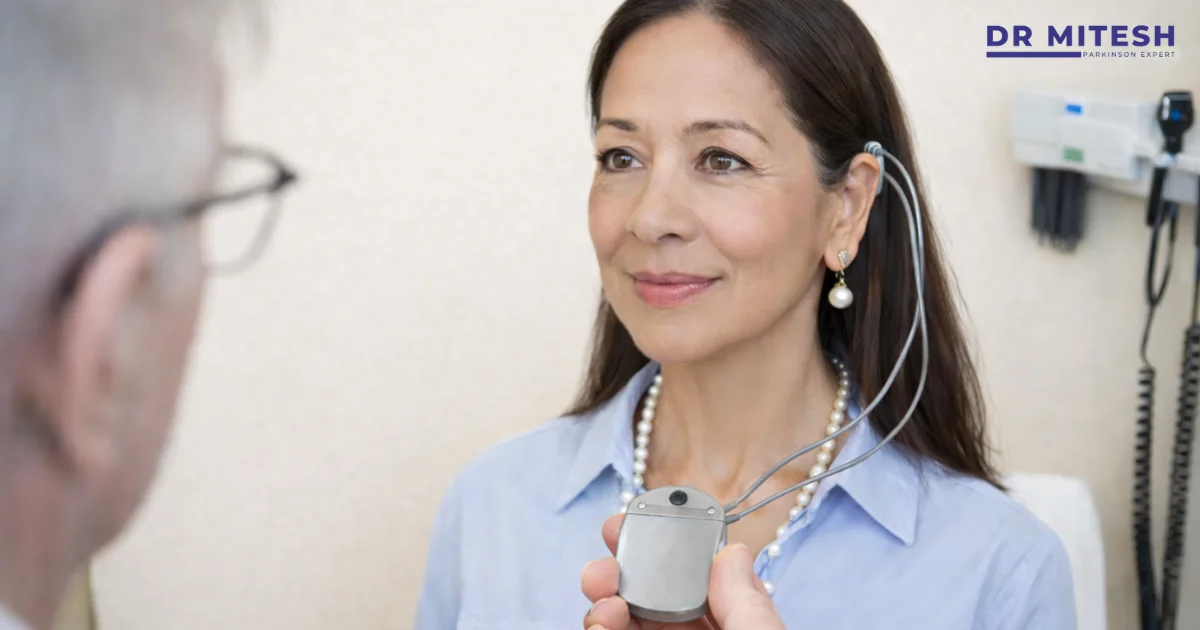
DBS is not a cure, but it is a long-term symptom control treatment. It works by sending controlled electrical signals to specific areas of the brain that regulate movement.
After recovery and device adjustment, many patients experience:
- Smoother movements
- Reduced tremors and stiffness
- Fewer “off” periods
- Better control throughout the day
This often leads to a noticeable improvement in quality of life after DBS, especially compared to late-stage medication-only treatment.
What Changes After DBS Surgery?
Improvements Most Patients Notice
After DBS programming is optimized:
- Tremors may reduce significantly or stop
- Muscle stiffness becomes less severe
- Slowness of movement improves
- Daily activities feel more predictable
- Medication side effects may reduce
These changes allow many patients to feel more confident about living normally after DBS.
What DBS Does Not Change
It’s important to stay realistic:
- DBS does not stop disease progression
- Balance and speech may not improve in all patients
- Some symptoms may still need medication
Knowing this helps patients adjust expectations and plan better.
Daily Activities After DBS: What’s Possible?
Most people are surprised by how quickly they return to everyday tasks.
Activities You Can Usually Resume
After recovery and doctor approval:
- Walking independently
- Dressing, bathing, and cooking
- Writing and using mobile phones
- Light household work
- Social outings
Many patients report that daily activities after DBS feel easier and less exhausting than before surgery.
Work and Professional Life After DBS
Can You Return to Work?
In many cases, yes.
Patients who had to stop working due to tremors, stiffness, or medication fluctuations often return to:
- Office jobs
- Business roles
- Teaching
- Desk-based professions
Physical jobs depend on individual strength and balance, but many patients manage modified roles.
Timeline to Resume Work
- Light work: 4–6 weeks
- Full-time work: 2–3 months (varies by individual)
This makes work and travel after DBS a realistic goal for many patients.
Travel After DBS Surgery
Travel is one of the biggest concerns patients have.
Is Travel Safe After DBS?
Yes, with precautions.
- Airport security scanners are generally safe
- Carry your DBS ID card
- Inform security staff before screening
- Avoid strong magnetic fields
Domestic and international travel is common among DBS patients.
Medication Use After DBS
DBS often allows a reduction in Parkinson’s medicines, but it does not always eliminate them.
What Usually Happens
- Lower medication doses
- Fewer side effects like dyskinesia
- More stable symptom control
For a detailed explanation, this topic connects well with the blog “Does DBS Replace Parkinson’s Medicines?”, which many patients find helpful.
Recovery Timeline After DBS Surgery
| Phase | What Happens | What Patients Can Expect |
|---|---|---|
| First 1-2 weeks | Surgical healing | Mild discomfort, rest needed |
| Weeks 3-8 | DBS programming begins | Gradual symptom improvement |
| After 3 months | Stable settings | Return to normal daily routine |
| Long term | Regular follow-ups | Sustained improvement in daily life |
Emotional and Mental Adjustment After DBS
Physical improvement is only part of the journey.
Common Emotional Changes
- Relief and renewed hope
- Temporary anxiety during adjustments
- Fear of device dependence
Support from family, doctors, and patient counseling plays a big role in long-term success.
Quality of Life After DBS: Realistic Expectations
| Aspect of Daily Life | Before DBS Surgery | After DBS Surgery |
|---|---|---|
| Movement control | Frequent tremors, stiffness, and slowness | Smoother, more controlled movements |
| Medication effect | Short-lasting relief with ups and downs | More stable symptom control |
| Daily activities | Difficulty with dressing, writing, eating | Greater ease in routine tasks |
| Work capability | Often reduced or stopped | Many patients return to work |
| Social life | Avoided due to symptoms or embarrassment | Improved confidence and interaction |
| Travel | Challenging due to unpredictable symptoms | Safer and more manageable |
| Quality of life | Limited independence | Improved independence and confidence |
Lifestyle Tips for Living Normally After DBS
Simple Habits That Help
- Maintain a regular sleep schedule
- Stay physically active with safe exercises
- Follow up regularly for DBS programming
- Eat a balanced diet
- Avoid self-adjusting medications
These habits support smoother daily activities after DBS and better symptom control.
DBS and Long-Term Independence
One of the biggest fears is long-term dependency.
What Long-Term Studies Show
- Many patients maintain independence for years
- Reduced hospital visits
- Improved ability to self-manage symptoms
This is why DBS is often recommended when medications alone stop working effectively.
Common Patient Questions Answered
Can I drive after DBS surgery?
Yes, once cleared by your doctor and symptoms are stable.
Will I feel the device working?
Most patients do not feel stimulation once settings are optimized.
Does DBS affect thinking or memory?
DBS is designed to target movement-related areas, not thinking. Cognitive evaluation is done before surgery to ensure safety.
This topic is also discussed in detail in blogs related to DBS patient experience and DBS surgery safety.
Who Is Most Likely to Live Normally After DBS?
Patients who tend to do best include those who:
- Responded well to Parkinson’s medicines earlier
- Have disabling motor symptoms
- Do not have severe memory problems
- Follow regular follow-ups
Proper patient selection is key to a good outcome.
Conclusion: Is a Normal Life Possible After DBS Surgery?
For many patients, the answer is yes.
Life after DBS surgery often means:
- Better movement control
- More predictable days
- Greater independence
- Renewed confidence in social and professional life
While DBS is not a cure, it is a powerful tool that allows people to live more fully, move more freely, and regain control over everyday life when medications alone are no longer enough.
With the guidance of an experienced Movement Disorder Specialist and regular follow-up, DBS can help patients return to activities they once thought were lost forever.
If you or a loved one is considering DBS, understanding what life looks like afterward is the first step toward making an informed and confident decision.
Authoritative References
- Neurology Journal – Reduction in Parkinson’s Medicines After DBS