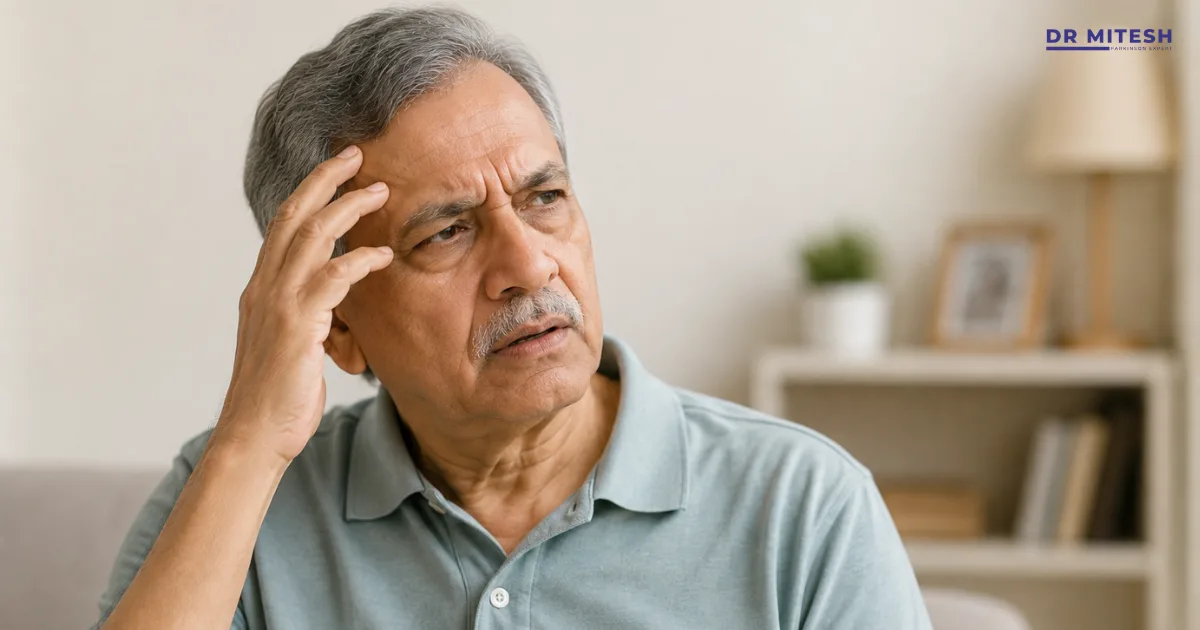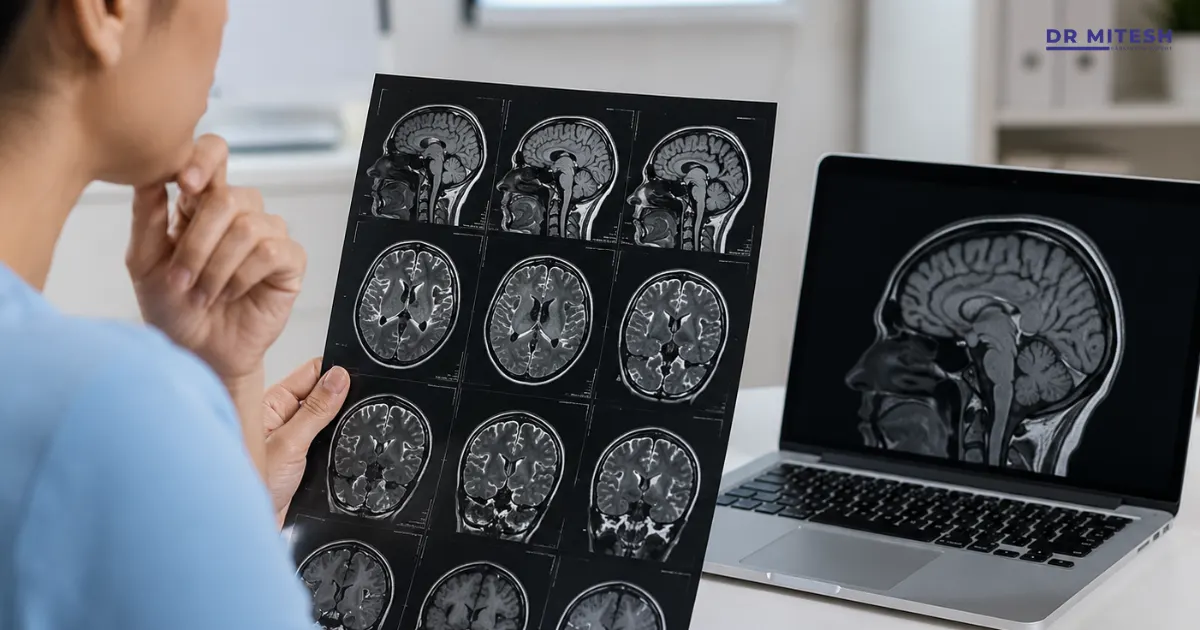
A Parkinson’s diagnosis changes life but it doesn’t have to stop it.
Over the years, I have seen patients in their 60s, 70s, and 80s continue to cook, travel, garden, play with their grandchildren, and live full, meaningful lives with Parkinson’s. The difference between those who thrive and those who struggle is rarely the severity of the disease alone. More often, it comes down to daily habits, practical adjustments, and the right support.
This blog is a practical guide not just medical advice for patients and families navigating everyday life with Parkinson’s disease.
9 tips to watch for managing your everyday life-
1. Getting Medications Right – The Foundation of Everything
No daily tip matters more than taking your Parkinson’s medicines correctly. The key is consistency both in timing and in the routine around taking them.
- Take Medicines at the Same Time Every Day
Parkinson’s medications especially levodopa work best when taken at fixed times. Even a 30-45 minute delay can lead to an ‘OFF’ period where symptoms return or worsen. Use a phone alarm, pill organiser, or a written schedule to stay on track.
- Understand Your ‘ON’ and ‘OFF’ Times
Most patients with Parkinson’s experience predictable windows when their medication is working well (‘ON’ time) and when it starts wearing off (‘OFF’ time). Once you recognise your pattern, plan your most demanding activities bathing, cooking, stepping out during your best ‘ON’ window.
- The Protein Timing Tip
High-protein meals (dal, paneer, meat, eggs) can reduce levodopa absorption if eaten at the same time as the tablet. A practical workaround: take levodopa 30-45 minutes before meals, or have your high-protein meal in the evening rather than at lunch.
Keep a simple diary for one week note your medication times, meals, and how you feel. This helps your doctor fine-tune your treatment at the next visit.
2. Morning Routine – Starting the Day Right
Mornings can be the most challenging part of the day for many Parkinson’s patients, as the overnight gap in medication can cause stiffness and slowness upon waking.
- Take Your First Dose Before Getting Out of Bed
Keep your morning tablet and a small glass of water on your bedside table. Take the dose as soon as you wake up – even before using the bathroom. Wait 20-30 minutes for it to take effect before attempting tasks that require coordination.
- Warm Up Before You Move
Before standing up, do gentle stretches in bed – ankle rotations, knee bends, shoulder rolls. This warms up stiff joints and reduces the risk of falls when you first stand.
- Give Yourself Extra Time
Rushing is one of the biggest triggers for falls and frustration. Set your alarm 30–45 minutes earlier than you used to. A calm, unhurried morning sets a better tone for the whole day.
Lay out your clothes the night before. Choose clothing with elastic waistbands, velcro fasteners, or large buttons to make dressing easier and more independent.
3. Staying Safe at Home – Simple but Important Adjustments
Falls are one of the most serious risks for Parkinson’s patients. Many falls happen at home in the bathroom, bedroom, or kitchen. Small changes can make a big difference.
In the Bathroom
- Install grab bars next to the toilet and inside the shower or bathtub
- Use a non-slip bath mat both inside and outside the shower
- Consider a shower chair or bench if balance is a concern
- A raised toilet seat makes sitting and standing easier
In the Bedroom
- Use a bed rail to help with getting in and out of bed
- Keep the path from the bed to the bathroom clear and well-lit at night – use a nightlight
- Choose a firm mattress that makes it easier to roll over and get up
Around the House
- Remove loose rugs and extension cords from walking paths
- Ensure all rooms are well lit, especially stairways
- Avoid socks on smooth floors – use non-slip footwear indoors
- Keep frequently used items at waist height – avoid bending or reaching overhead
- A physiotherapist can do a home safety assessment and recommend specific modifications tailored to your situation. Ask your neurologist for a referral.
4. Exercise – The Best Medicine You Can Take Every Day
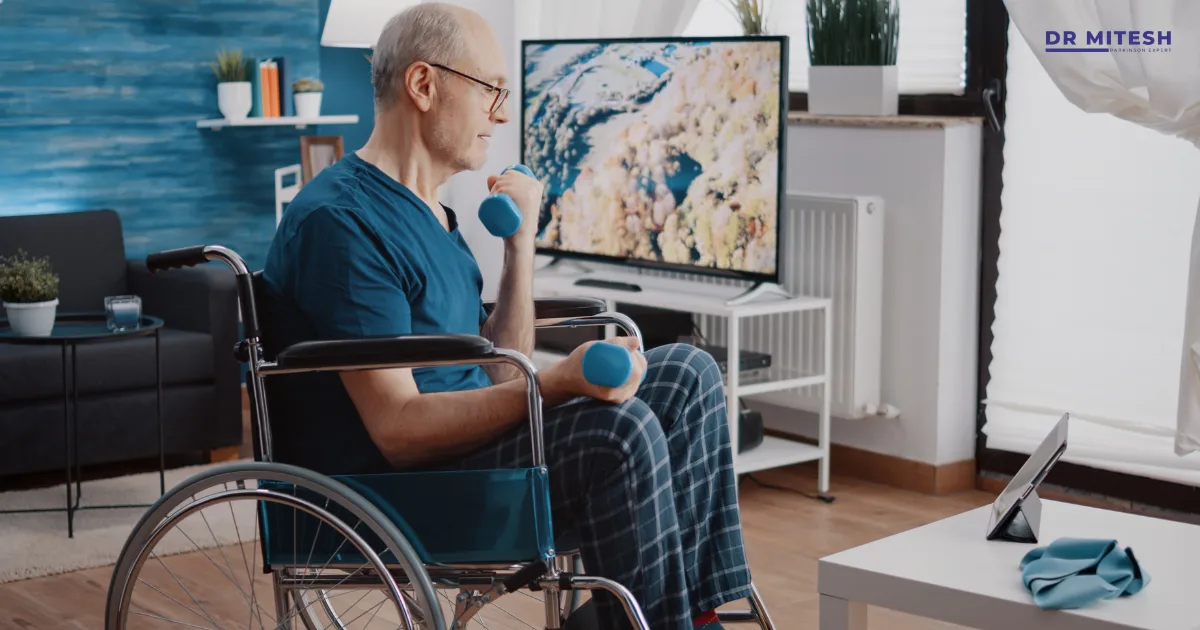
Exercise is not optional for Parkinson’s patients – it is essential. Research consistently shows that regular physical activity slows disease progression, improves balance, reduces stiffness, lifts mood, and helps medicines work better.
What Type of Exercise Works Best?
- Walking – 30 minutes daily, at a comfortable but purposeful pace
- Swimming or water aerobics – excellent for balance and joint flexibility with low fall risk
- Cycling – even a stationary bike is highly beneficial for Parkinson’s
- Yoga or stretching – improves flexibility and posture
- Dance or rhythmic movement – helps with gait freezing and coordination
- Strength training with light weights – preserves muscle and improves stability
Tips for Safe Exercise
- Exercise during your ‘ON’ time when medicines are working well
- Always exercise with someone present, especially initially
- Wear supportive, non-slip footwear
- Stay hydrated – Parkinson’s patients can be prone to dehydration
- Tai Chi has strong evidence for reducing falls in Parkinson’s patients. Even 20–30 minutes three times a week shows measurable benefits.
5. Eating Well – Diet Tips for Parkinson’s Patients
There is no special ‘Parkinson’s diet‘, but what you eat significantly affects how well your medicines work, your energy levels, and your digestion.
Fibre is Your Best Friend
Constipation is one of the most common and uncomfortable non-motor symptoms of Parkinson’s. Increase your fibre intake through fruits (papaya, guava, banana), vegetables, whole grains (oats, ragi, whole wheat), and plenty of water – at least 8–10 glasses a day.
Antioxidant-Rich Foods
Foods rich in antioxidants – berries, leafy greens, tomatoes, nuts, green tea, may support brain health. Include a variety of colourful fruits and vegetables daily.
Watch Swallowing Carefully
As Parkinson’s progresses, swallowing can become difficult (dysphagia). If you notice coughing or choking while eating or drinking, inform your doctor immediately. A speech therapist can teach safe swallowing techniques and recommend texture modifications.
Eating Posture
Sit upright while eating – never eat lying down or reclining. Take small bites, chew thoroughly, and don’t rush meals.
- If tremors make using a spoon or fork difficult, try weighted cutlery, angled spoons, or plates with raised edges – available at medical aid stores.
6. Sleep – Making Nights More Restful
Sleep problems are extremely common in Parkinson’s including difficulty falling asleep, frequent waking, vivid dreams, acting out dreams (REM Sleep Behaviour Disorder), and excessive daytime sleepiness.
Practical Sleep Tips
- Maintain a consistent sleep and wake time even on weekends
- Avoid caffeine after 3 PM
- Keep the bedroom dark, quiet, and cool
- Avoid large meals within 2 hours of bedtime
- Use a bed rail if getting in and out of bed at night is difficult
- If nighttime movements or acting out dreams disturbs your partner, discuss this with your neurologist – it is treatable
- Some Parkinson’s medicines can cause vivid dreams or nighttime confusion. If this is happening, do not stop medicines on your own – talk to your doctor who can adjust the timing or dose.
7. Communication – Keeping Your Voice Heard
Parkinson’s commonly affects speech, the voice may become soft, monotone, or slurred. This can be frustrating and isolating. But there are effective strategies.
- Consciously speak louder than feels natural – what feels too loud to you often sounds normal to others
- Speak slowly and pause between sentences
- Face the person you are speaking to – visual cues help comprehension
- Ask your neurologist for a referral to a speech therapist who can teach LSVT LOUD – a proven technique specifically designed for Parkinson’s
- For writing difficulties, consider voice-to-text apps on smartphones
- Video calls and voice notes on smartphones can be easier than typing for many Parkinson’s patients — encourage family members to use these regularly.
8. Emotional Wellbeing – The Part We Often Ignore
Depression and anxiety are not just reactions to having Parkinson’s – they are neurological symptoms of the disease itself, caused by changes in brain chemistry. They deserve the same attention as tremors and stiffness.
Signs to Watch For
- Persistent low mood, sadness, or hopelessness
- Loss of interest in activities once enjoyed
- Excessive worry, restlessness, or fear
- Social withdrawal and isolation
What Helps
- Tell your neurologist – depression in Parkinson’s is very treatable with the right medicines
- Stay socially connected – isolation worsens both depression and cognitive decline
- Join a Parkinson’s support group – sharing experiences with others who understand is powerful
- Exercise – proven to improve mood as effectively as antidepressants in mild depression
- Keep a purpose – hobbies, volunteering, teaching, religious activities all help
- Caregiver wellbeing matters too. Family members supporting a Parkinson’s patient face their own emotional burden. Seek support, take breaks, and don’t hesitate to ask your doctor for caregiver guidance.
9. Planning Your Day – The Power of Structure
Structure is one of the most underrated tools for Parkinson’s management. When your day has rhythm and predictability, your brain and body respond better.
- Schedule meals, medications, exercise, and rest at fixed times each day
- Plan the most physically demanding tasks (shopping, cooking, bathing) during your best ON window
- Build in rest periods – fatigue is real in Parkinson’s and rest is not laziness
- Keep a weekly planner – visible, simple, and realistic
- Inform family members of your schedule so they can support without intruding
- Apps like Medisafe (for medication reminders) and Google Calendar can help patients maintain routine independently for longer.
Parkinson’s is a long journey and how you live that journey matters as much as the medicines you take. I tell every patient: the small daily choices taking your medicine on time, walking for 30 minutes, eating well, staying connected are the most powerful tools you have. I am here to guide the medical side. You manage the life side. Together, we do this well.”
Frequently Asked Questions
- Can I drive with Parkinson’s disease?
In the early stages, many patients can drive safely. However, Parkinson’s affects reaction time, coordination, and attention, all critical for driving. This should be assessed individually by your neurologist. Never drive during an ‘OFF’ period or if your medications affect alertness. - Is it safe to travel with Parkinson’s?
Yes with planning. Carry extra medication (more than you think you’ll need), keep medicines in your hand luggage, bring a doctor’s letter explaining your condition, and always travel with someone who understands your needs. Inform airlines or rail services in advance if you need assistance. - Can Parkinson’s patients live alone?
Many patients in early and mid-stages live independently with the right adaptations at home and regular check-ins from family. As the disease progresses, additional support becomes important. A movement disorder specialist can help plan transitions in care before they become urgent. - How do I manage when I have a ‘bad day’ with Parkinson’s?
Bad days increased tremors, stiffness, fatigue are part of Parkinson’s. On these days: rest, avoid demanding tasks, take your medicines on time, stay hydrated, and be kind to yourself. If bad days become frequent or sudden, contact your neurologist, it may signal a need to adjust your treatment.
You Are More Than Your Diagnosis
Parkinson’s disease is a condition but it is not your identity. With the right medical care, practical strategies, and the support of your family, you can continue to live a life full of purpose, connection, and dignity.
As your Parkinson’s specialist in Ahmedabad, I am here for every stage of this journey. Whether you need a medicine review, a caregiver consultation, or simply answers to your daily questions – my door is open.
Book a Consultation:
- Call / WhatsApp: 8238034080
- Email: care@parkinsongujarat.com
- Medisquare Superspeciality Hospital, Gurukul, Ahmedabad
- Marengo CIMS Hospital, Sola, Ahmedabad
Website: parkinsongujarat.com