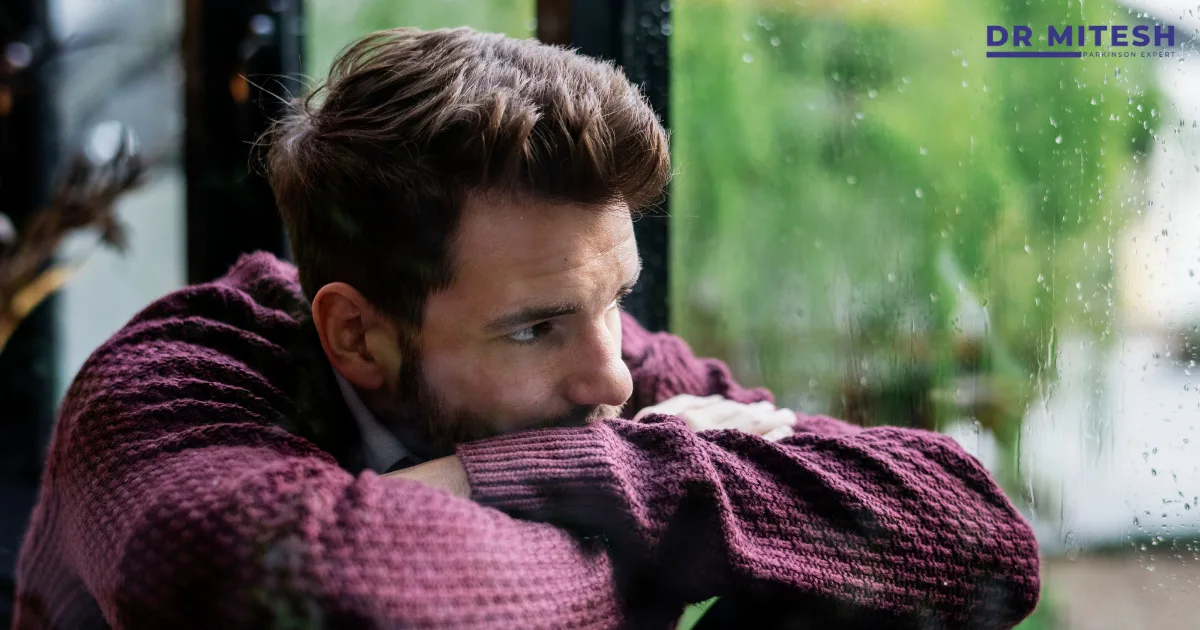
Feeling sad all day can be frightening. Many people wake up with a heavy heart, move through the day with low energy, and go to bed feeling empty or hopeless. A common fear is: “Will I feel like this forever?”
The reassuring truth is this many people who feel persistently sad and hopeless do recover fully. With the right understanding, timely support, and proper treatment, mood can improve significantly, sometimes even completely.
This blog explains why ongoing sadness happens, how it affects daily life, when it becomes a medical concern, and most importantly, why recovery is possible.
What Does “Feeling Sad All Day” Really Mean?
Everyone feels sad sometimes. But persistent low mood is different.
It may feel like:
- Sadness that lasts most of the day
- A sense of emptiness or numbness
- Loss of interest in things you once enjoyed
- Feeling emotionally tired even after rest
This ongoing emotional state is not a weakness. It reflects changes in how the brain regulates mood, motivation, and emotions.
Learn More About Jerky Movements I Can’t Stop: Proof They’re from Brain Wiring, Not My Mind
Persistent Sadness vs Normal Ups and Downs
Understanding the difference is important.
Normal sadness
- Comes and goes
- Linked to specific events
- Improves with time or support
Persistent sadness
- Lasts for weeks or months
- Feels constant or daily
- Affects sleep, appetite, focus, or energy
- Makes even simple tasks feel overwhelming
When sadness becomes persistent, it deserves medical attention just like any physical symptom.
Why Do Hopeless Feelings Set In?
Hopeless feelings often develop when sadness lasts too long without relief.
Common reasons include:
- Ongoing stress at work or home
- Unresolved grief or trauma
- Chronic illness or pain
- Sleep problems
- Brain chemical imbalance
- Social isolation
Over time, the brain’s emotional circuits can become “stuck” in a low-mood pattern. This does not mean permanent damage it means the system needs help to reset.
Learn More About RBD in Women: Why Symptoms Can Be Different
How the Brain Is Involved in Daily Low Mood
Mood is controlled by networks in the brain that regulate:
- Emotions
- Motivation
- Reward and pleasure
- Stress response
When these networks are under strain:
- Positive signals reduce
- Negative thoughts feel louder
- Energy and motivation drop
This is why telling someone to “just think positive” does not work. Mood disorders are brain-based conditions, not attitude problems.
How Daily Sadness Affects Life
Living with low mood every day can slowly shrink a person’s world.
People often notice:
- Reduced work productivity
- Withdrawal from friends and family
- Poor sleep or oversleeping
- Appetite changes
- Physical aches without clear cause
Over time, people may stop asking for help because they feel nothing will change. This is one of the most treatable parts of the condition.
Learn More About Managing RBD Symptoms: Are Melatonin and Other Medicines Habit-Forming?
Is This Depression? When to Seek Help
Not every episode of sadness is depression, but medical evaluation is important when:
- Sadness lasts more than 2 weeks
- Hopeless feelings dominate daily thoughts
- Daily functioning is affected
- There are thoughts of self-harm or worthlessness
Early treatment leads to faster and more complete recovery.
Daily Depression Recovery: Why Improvement Happens
Many people believe depression or prolonged sadness is lifelong. This is not true.
Recovery happens because:
- The brain is adaptable
- Emotional circuits can rebalance
- Treatment improves brain communication
- Support changes thought patterns
Studies consistently show that most people improve with proper care, even if symptoms were severe at first.
What Helps in Mood Healing?
Recovery usually involves a combination of approaches.
Medical support
- Careful assessment
- Medicines when required
- Regular follow-up
Psychological support
- Structured therapy
- Learning coping skills
- Addressing negative thought loops
Lifestyle healing
- Regular sleep schedule
- Gentle physical activity
- Rebuilding routine
- Social reconnection
Small changes, done consistently, have powerful effects on mood.
Learn More About Shouting or Moving in Sleep: Does It Mean You’ll Get Parkinson’s?
Mood Healing Stories: What Patients Often Experience
Many patients describe recovery like this:
- First, sleep improves
- Then energy slowly returns
- Negative thoughts lose intensity
- Interest and hope gradually come back
Recovery is not sudden, but it is steady. Even partial improvement is a strong sign that the brain is responding.
Common Myths About Feeling Sad All Day
Myth 1: “I should be strong enough to handle this”
Mood disorders are medical conditions, not personal failures.
Myth 2: “Medicines change personality”
Properly prescribed treatment restores natural emotional balance.
Myth 3: “If it hasn’t improved yet, it never will”
Many people improve after weeks or months of consistent care.
How Long Does Recovery Take?
Recovery time varies, but most people notice:
- Early improvement in 2-4 weeks
- Clear improvement within 2-3 months
- Continued strengthening over time
The goal is not just symptom relief, but full emotional functioning.
When Sadness Coexists with Neurological Conditions
Persistent low mood is common in people dealing with:
- Parkinson’s disease
- Chronic movement disorders
- Long-term neurological illness
In such cases, addressing mood is just as important as treating physical symptoms. Emotional health directly impacts recovery and quality of life.
Learn More About Acting Out Dreams at Night? It’s RBD, Not a Mental Illness
Frequently Asked Questions (FAQs)
1. Can feeling sad all day go away completely?
Yes. Many people recover fully with the right treatment and support.
2. Is persistent sadness the same as weakness?
No. It is a medical condition involving brain regulation of mood.
3. Do I need medicines forever?
Not always. Many people use medicines temporarily under medical guidance.
4. What if I feel hopeless about treatment itself?
That feeling is part of the condition and usually improves as treatment starts working.
5. Who should I consult if sadness doesn’t improve?
A qualified doctor who understands both emotional and neurological health is ideal.
Conclusion
Feeling sad and hopeless all day can make life feel unbearably heavy. But this state is not permanent, and it is highly treatable. With proper evaluation, compassionate care, and consistent follow-up, many people regain joy, motivation, and emotional balance.
If persistent sadness is affecting your daily life, seeking guidance from Movement Disorder Specialist in Ahmedabad, who understands the close link between brain health and emotional well-being, can help you move from survival to true recovery with clarity, dignity, and hope.
Authoritative References
- CDC – Feeling Sad
- PubMed Central – Hopeless Feelings
- Mayo clinic – Persistent Sadness
- Hopkins Medicine – Dysthymia