
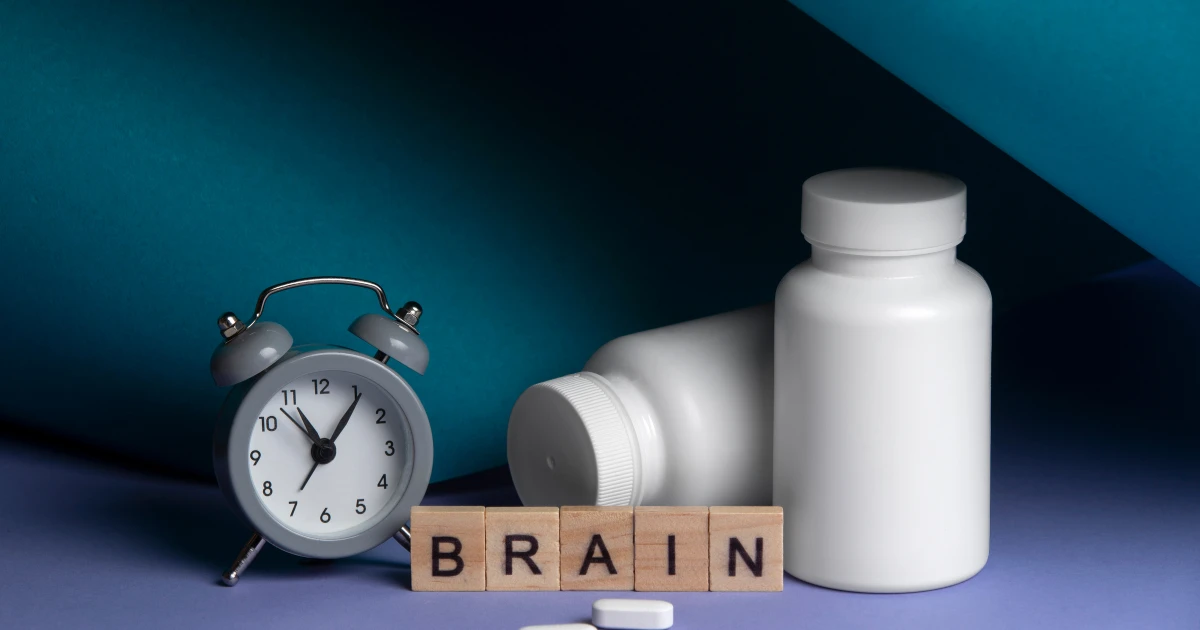
In today’s fast-paced world, many people seek ways to improve memory, focus, and overall mental performance. As a result, supplements for brain function have become increasingly popular. Marketed as “smart pills” or “nootropics,” these supplements promise enhanced alertness, better cognitive performance, and even protection against neurological diseases.
But do these claims hold up to scientific scrutiny? Which supplements are genuinely effective for brain health, and which ones are overhyped or potentially harmful?
This blog explores the truth behind supplements for brain function, offering a clear look at what the research says so you can make informed choices. We will review popular options, discuss their pros and cons, and guide you on how to support your brain health safely and effectively.
What Are Brain Supplements?
Brain supplements, also known as cognitive enhancers or nootropics, are natural or synthetic products designed to support mental clarity, memory, attention, and overall brain function. They’re widely used by students, professionals, and even patients with neurological conditions like Parkinson’s disease, Alzheimer’s, or mild cognitive impairment.
Types of Brain Supplements:
- Vitamins and minerals (e.g., B-complex, Vitamin D, Magnesium)
- Herbal remedies (e.g., Ginkgo biloba, Bacopa monnieri)
- Amino acids and fatty acids (e.g., Omega-3s, Acetyl-L-carnitine)
- Synthetic compounds (e.g., Piracetam, Modafinil, prescription-based)
While some of these are backed by scientific evidence, others are based more on anecdotal use or small-scale studies.
Supplements That May Help Brain Function
Certain supplements have shown potential cognitive benefits when used correctly. Let’s take a closer look at the ones supported by moderate to strong scientific evidence.
1. Omega-3 Fatty Acids (DHA & EPA)
Found in fatty fish and fish oil supplements, omega-3s play a key role in maintaining brain cell membrane integrity and reducing inflammation.
Potential Benefits:
- Supports memory and learning
- May slow cognitive decline in older adults
- Helps in mood regulation and depression prevention
- Promotes brain development in children
Recommended Dose:
- 250-500 mg/day of combined EPA and DHA
- Higher doses under medical supervision for patients with neurological issues
Learn more about Nutrition for Parkinson’s Patients.
2. B-Complex Vitamins (B6, B9, B12)
B vitamins are essential for nerve function, energy metabolism, and the production of neurotransmitters like dopamine and serotonin.
Evidence Suggests:
- Helps reduce brain shrinkage in mild cognitive impairment (MCI)
- Supports memory and reduces brain fog
- Deficiency in B12 is linked to memory problems and confusion
Sources & Supplementation:
- Leafy greens, eggs, dairy, meats, fortified cereals
- Daily B-complex supplement may help if dietary intake is low
3. Vitamin D
Often called the “sunshine vitamin,” Vitamin D has receptors in the brain that affect neuroplasticity and mood regulation.
Why It Matters:
- Low levels are associated with depression and cognitive decline
- Supports nerve health and may protect against dementia
Best Practice:
- 600-800 IU/day recommended, with higher doses under medical supervision if deficient
- Safe sun exposure and fortified foods also help
4. Magnesium
Magnesium plays a role in over 300 enzymatic reactions, including those involved in nerve transmission and cognitive processes.
Benefits of Magnesium:
- Helps regulate sleep and reduce anxiety
- May support learning and memory
- Linked to lower inflammation and neuroprotection
Magnesium-Rich Foods:
- Nuts, seeds, spinach, dark chocolate, whole grains
- Supplementation: 200-400 mg/day
5. Acetyl-L-Carnitine (ALCAR)
This amino acid helps produce energy in brain cells and may benefit individuals with mild memory impairment or depression.
Some Studies Indicate:
- May improve mental energy and focus
- Shows promise in age-related cognitive decline
- Useful for some neurodegenerative conditions (under clinical guidance)
Popular Supplements That Lack Strong Evidence
Many supplements are marketed aggressively as cognitive enhancers, but scientific proof is either weak or inconsistent. Here are some that require caution.
1. Ginkgo Biloba
Widely used in traditional medicine to support memory and circulation.
What Research Says:
- Mixed results on memory and attention improvement
- May have mild benefits for dementia but not significant for healthy individuals
- Can interact with blood thinners and cause bleeding risks
2. Bacopa Monnieri (Brahmi)
An Ayurvedic herb believed to enhance memory and reduce anxiety.
Points to Note:
- Some small studies show improved cognitive speed and retention
- Effects take several weeks to show
- Side effects: GI discomfort, fatigue, increased bowel movements
3. Nootropic Stacks and Smart Drugs
Combinations like piracetam, aniracetam, or synthetic blends are sold online, often without regulation or sufficient safety data.
Concerns:
- May cause insomnia, anxiety, or dependency
- Lack long-term studies on safety
- Not recommended without medical supervision
4. Alpha-GPC and Huperzine A
These compounds increase acetylcholine levels, potentially boosting memory.
Use With Caution:
- Preliminary evidence for use in Alzheimer’s but not for healthy users
- Risk of overstimulation and headaches
Supplements for Brain Function: What Doesn’t Work
Despite high sales and promises, some supplements show little to no cognitive benefit and may waste money or pose risks.
Supplements to Be Skeptical About:
- Caffeine pills: Can increase alertness briefly but may worsen anxiety and sleep
- Energy drinks: Loaded with sugar and stimulants; short-lived benefits, long-term harm
- Multivitamins without deficiencies: No added brain benefit in healthy individuals
- Herbal powders with unknown ingredients: Often not standardized or tested
Tip: If it sounds too good to be true, it probably is.
Who Should Take Brain Supplements?
Supplements may benefit certain individuals, especially those with:
- Diagnosed nutrient deficiencies (e.g., B12, Vitamin D)
- Cognitive impairment or risk of dementia
- Neurological conditions like Parkinson’s, stroke, or MS
- Dietary restrictions (e.g., vegan diets lacking B12 or omega-3s)
Always consult the Best Neurologist before starting any supplement, especially if you are on medications or have chronic conditions.
Non-Supplement Ways to Boost Brain Function
Supplements alone won’t guarantee better brain health. Lifestyle choices are just as, if not more, important.
Evidence-Based Brain Health Habits:
- Regular aerobic exercise: Improves blood flow and neuroplasticity
- Balanced diet: Rich in fruits, vegetables, healthy fats, and lean protein
- Quality sleep: Critical for memory consolidation and toxin removal
- Stress reduction: Meditation, yoga, and relaxation techniques
- Lifelong learning: Reading, puzzles, or new skills keep the brain sharp
For more, check our internal guide on Brain Exercises That May Delay Cognitive Decline.
When to See a Neurologist
If you’re experiencing:
- Memory loss
- Difficulty concentrating
- Chronic fatigue
- Word-finding problems
- Mood swings or unexplained anxiety
…it’s best to seek a neurological evaluation before relying on over-the-counter supplements.
Conclusion: Choose Wisely When It Comes to Brain Supplements
While many supplements for brain function claim to enhance memory and focus, not all are effective or necessary. A few like omega-3s, B vitamins, and magnesium have real scientific backing and may support brain health when used properly. Others offer little more than marketing hype.
The best approach? Eat well, stay active, sleep deeply, manage stress and supplement only when needed, with guidance from a qualified doctor.
Want a personalized brain health plan? Book your consultation with The Best Neurologist at Medisquare Superspeciality Hospital today to get expert diagnosis and evidence-based care for patients experiencing cognitive and memory-related symptoms.
📍 Address: O-201, 202, 208, Gala Empire, Opp. Doordarshan Tower, Drive-In Road, Thaltej, Ahmedabad
📞 Call: 8866843843
Authoritative References
- Harvard Health Publishing – Supplements for Brain Function
- Healthline – Supplements for Brain Function
- National Library of Medicine – Supplements for Brain Function
- Science Direct – Supplements for Brain Function
- Health Direct – Supplements for Brain Function