
Stages of MSA: Early, Middle, and Advanced Signs to Recognize

Understanding the stages of MSA (Multiple System Atrophy) can help patients, families, and caregivers anticipate how symptoms may evolve over time. While the disease course varies from person to person, many go through recognizable phases early, middle, and advanced. In this article, we will look at how MSA progression stages generally unfold, describe the multiple […]
Is MSA Genetic? Clearing the Confusion

When you or a loved one receives a diagnosis of Multiple System Atrophy (MSA), one of the first questions that often comes up is: “Is MSA genetic?” or “Could my children or siblings get it too?” In this article, we’ll explore the complex topic of MSA and heredity. We’ll look at the question of is […]
Is MSA the Same as Parkinson’s Disease? How to Tell Them Apart
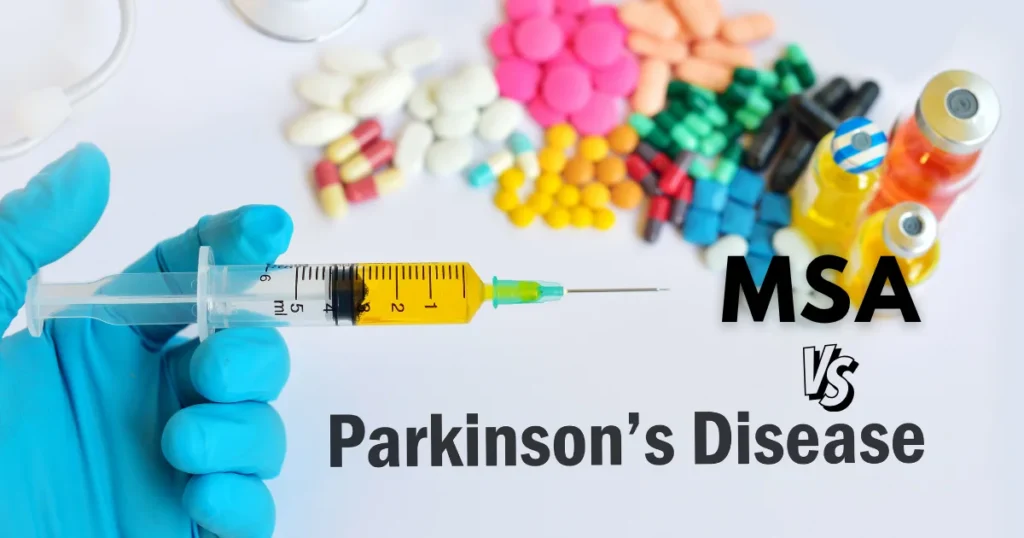
It’s understandable to feel uncertain when you or a loved one is facing a diagnosis of Multiple System Atrophy (MSA) and someone mentions Parkinson’s Disease (PD). They share some signs, but they are not the same. In this article we’ll explore what each condition involves, explain the key difference between MSA and Parkinson’s, describe the […]
PSP Treatment Options: Managing Symptoms Without a Cure
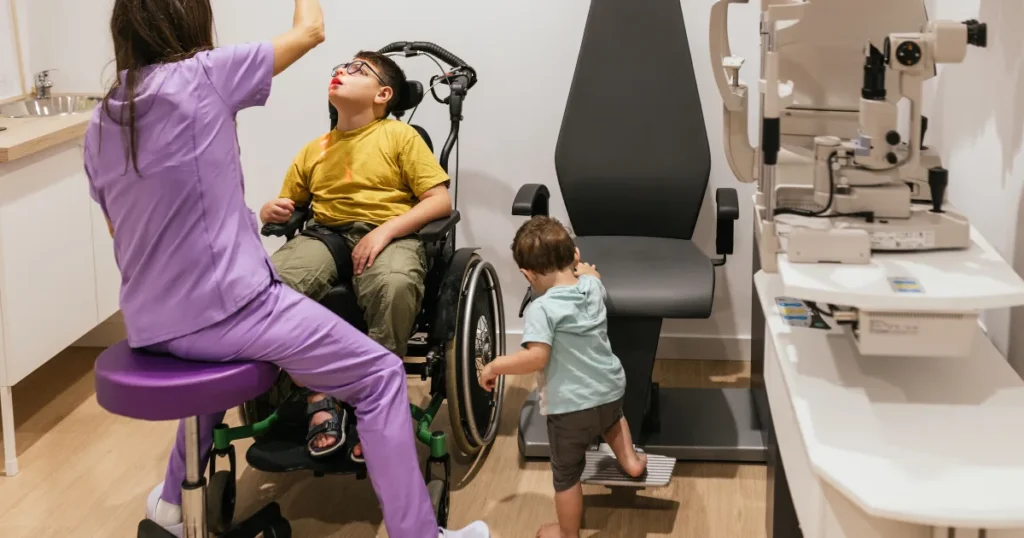
When the primary goal of therapy is not to cure but to manage, the focus shifts. Instead of promising a “fix,” the care becomes about maximizing mobility, reducing fall risk, improving vision/eye issues, supporting speech/swallowing, and preserving daily function for as long as possible. With PSP the key is early recognition, multidisciplinary approach, and realism […]
PSP vs Parkinson’s: Understanding the Key Differences

It’s easy to become confused because both conditions share many signs. However, recognizing the subtleties early can make a big difference in how clinicians manage care and how patients and families understand what lies ahead. In the compare-and-contrast journey of PSP vs Parkinson’s, we will break down the main points onset, movement patterns, eye/vision features, […]
Follow-Up Care in Wilson’s Disease: Tracking Copper Levels and Progress

Treatment alone is not the end of the journey for this disorder, it’s only part of the journey. Once therapy begins, the real work is in monitoring how well it’s working, detecting signs that the copper burden is under control, watching for side-effects, and adjusting the plan if needed. Quality follow-up enables you to maintain […]
Wilson’s Disease Awareness: Why Even Rare Conditions Need Attention
This particular condition is rare, but its impact is serious. Because it is uncommon, it often goes unrecognised leading to delayed therapy, potentially irreversible damage and unnecessary suffering. Promoting Wilson’s Disease Awareness is not just about one illness, it is about giving voice to all rare conditions, improving recognition by patients, families and healthcare professionals, […]
Can Wilson’s Disease Be Cured? The Truth About Treatment and Recovery
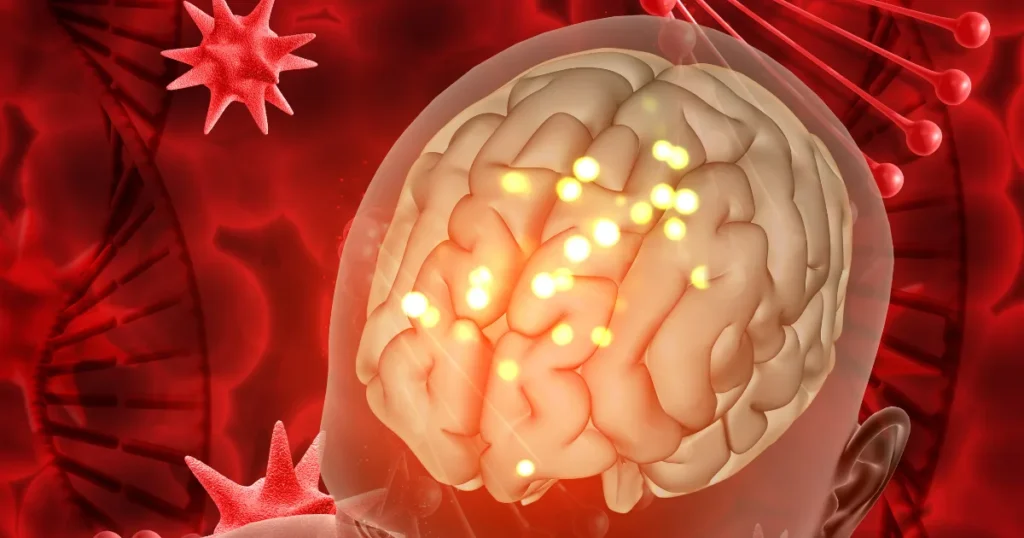
Wilson’s Disease is a rare inherited condition in which copper builds up in the body (especially liver, brain, eyes) due to a defect in the gene responsible for removing excess copper. Early diagnosis and treatment are pivotal. While it’s not typically described as “curable” in the sense of fully eradicating the underlying genetic problem, the […]
Living Better with Huntington’s: Life Expectancy and Quality of Care

When a diagnosis of Huntington’s disease comes, many questions follow: “How long will I live?” “Can I still enjoy a good quality of life?” “What kind of care will I need?” These are all valid questions and while no one can predict exactly what the future holds, there is much you can influence through care, […]
Juvenile Huntington’s: Understanding the Childhood Form

When the inherited condition commonly known as Huntington’s Disease, appears in early life, before adulthood it is often referred to as the juvenile form. In this article, we use the term “Juvenile Huntington’s” (onset before ~20 years) to describe that early-onset version. We will explain what differentiates it from the adult form, including its unique […]